
Safety Testing and Safety Ratings
Safety testing plays a critical role in understanding how safe modern vehicles are, especially as electric vehicles (EVs) continue to grow in popularity.
Last modified: Mar 06, 2026Although EVs often perform exceptionally well thanks to their rigid battery structures and modern platforms, the testing landscape is evolving quickly. New procedures, new scoring criteria, and additional emphasis on advanced driver assistance systems (ADAS) have changed how safety is assessed—and how automakers design their vehicles.
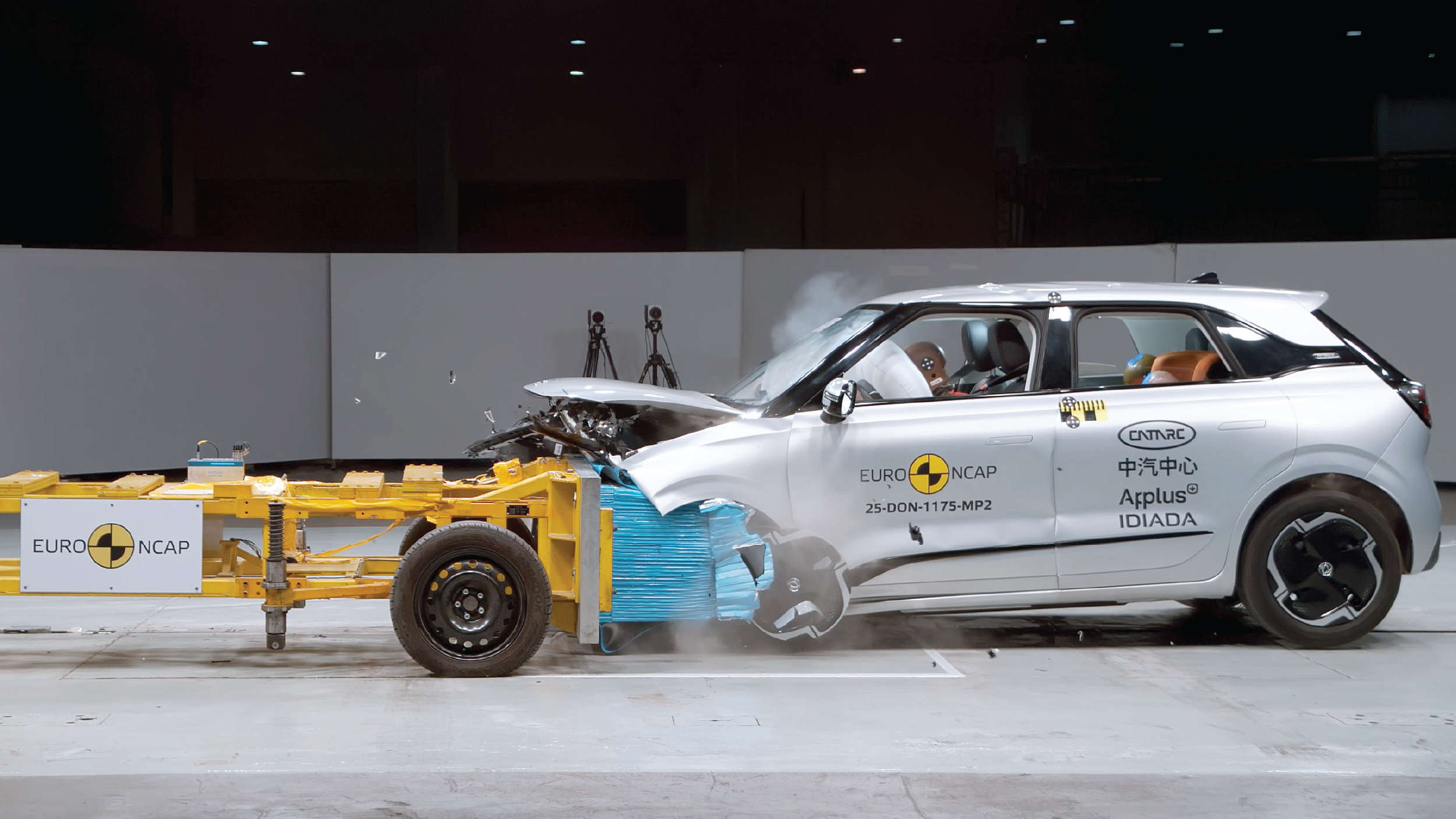
Crash Testing (Passive Safety)
Crash tests are standardized, repeatable evaluations designed to simulate real-world accident scenarios. They focus on how well the vehicle protects occupants, pedestrians, and other road users.
Modern testing relies on high-precision sensors, high-speed video, and advanced anthropomorphic test devices (ATDs)—crash-test dummies equipped with dozens of sensors. Engineers compare the measured forces to established injury thresholds to determine the likelihood of severe harm.
Common injury metrics include:
- HIC (Head Injury Criterion)
- Neck tension and shear forces
- Chest compression and acceleration
- Femur load and knee displacement
- Pelvis and abdominal forces
- Whiplash injury criteria (NIC, Nkm)
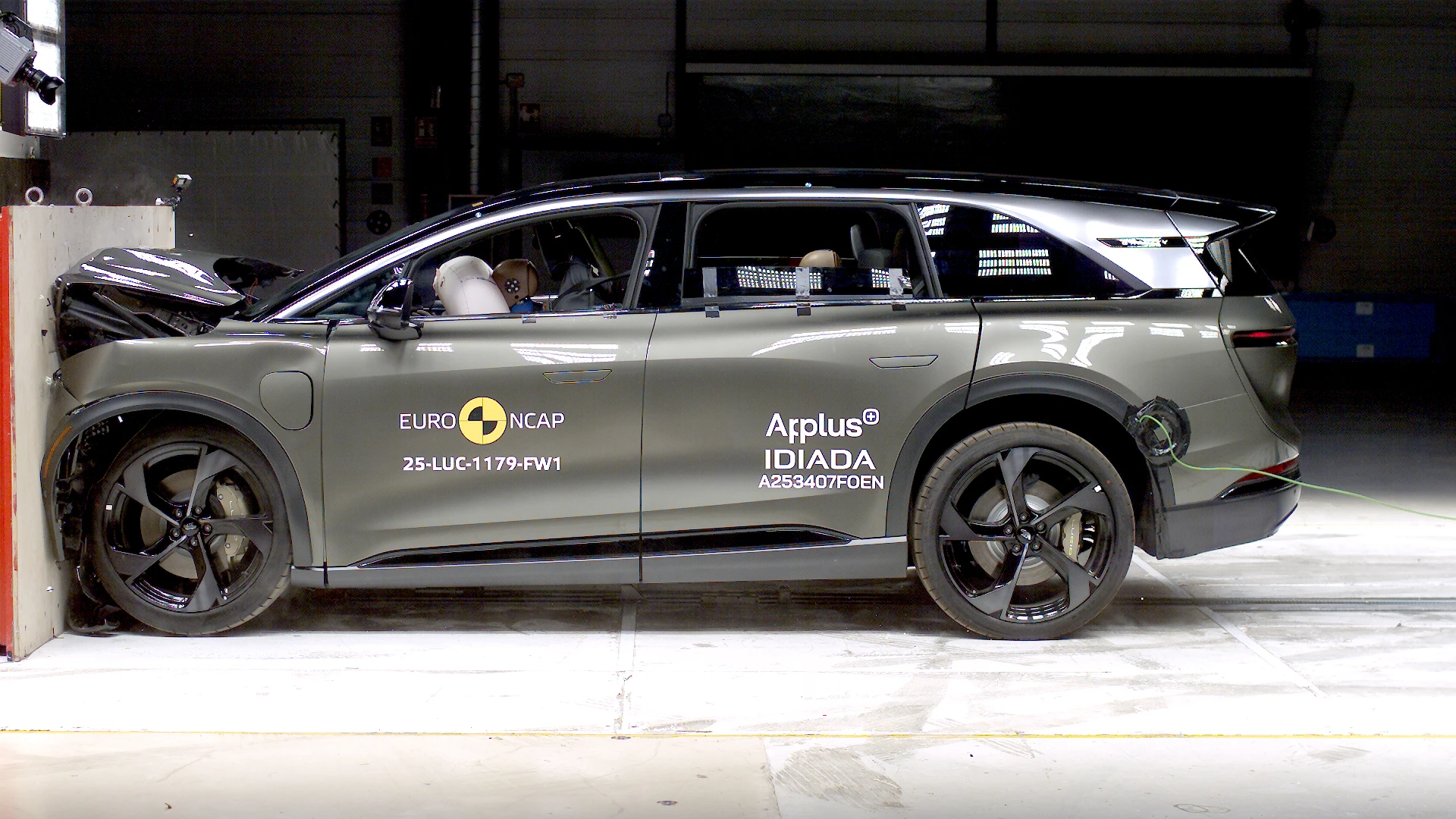
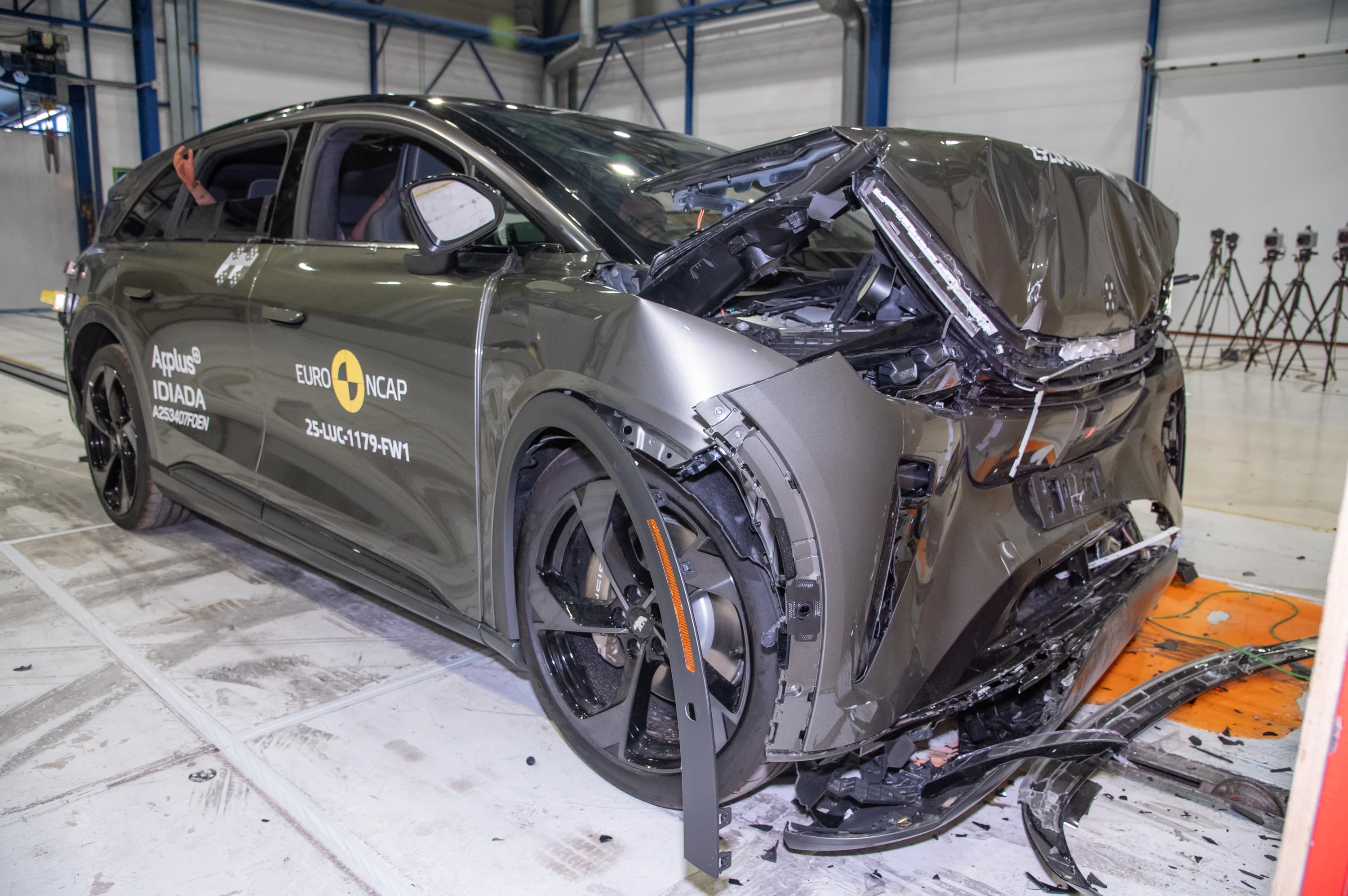
Frontal Impact Tests
Frontal impacts remain the most common severe crash type. They are tested in several configurations:
- Offset frontal impact – Only part of the vehicle strikes the barrier, exposing weaknesses in structural load paths.
- Full-width frontal impact – The full front of the vehicle hits a rigid barrier, highlighting the performance of seatbelts, airbags, and restraint systems rather than structural deformation.
These tests evaluate cabin intrusion, deformation patterns, and occupant injury values. Modern protocols also test multiple occupant sizes, including a 5th percentile female dummy in the driver position and rear-seat occupants, reflecting today’s real-world usage patterns.
Side-Impact Tests
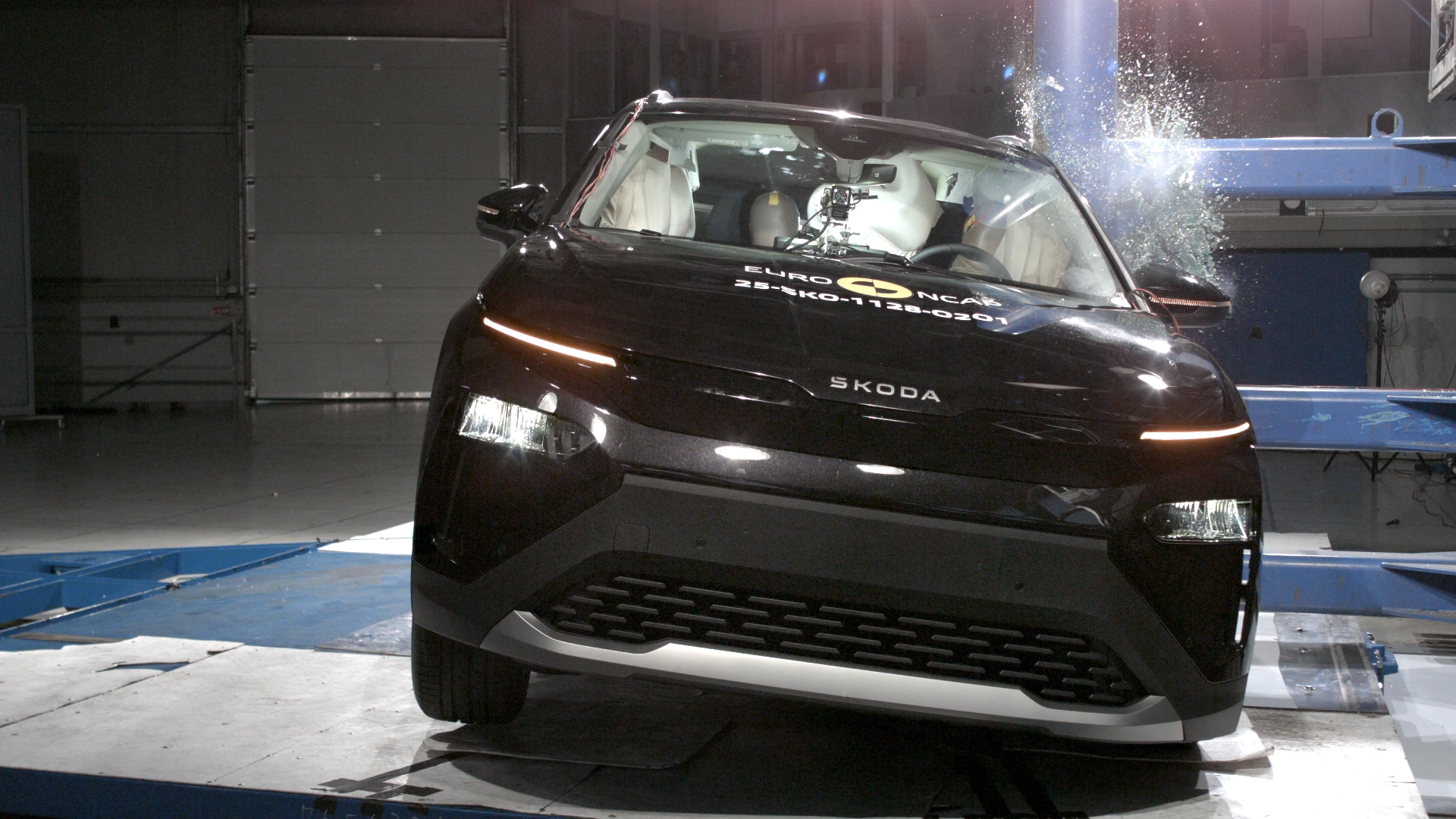
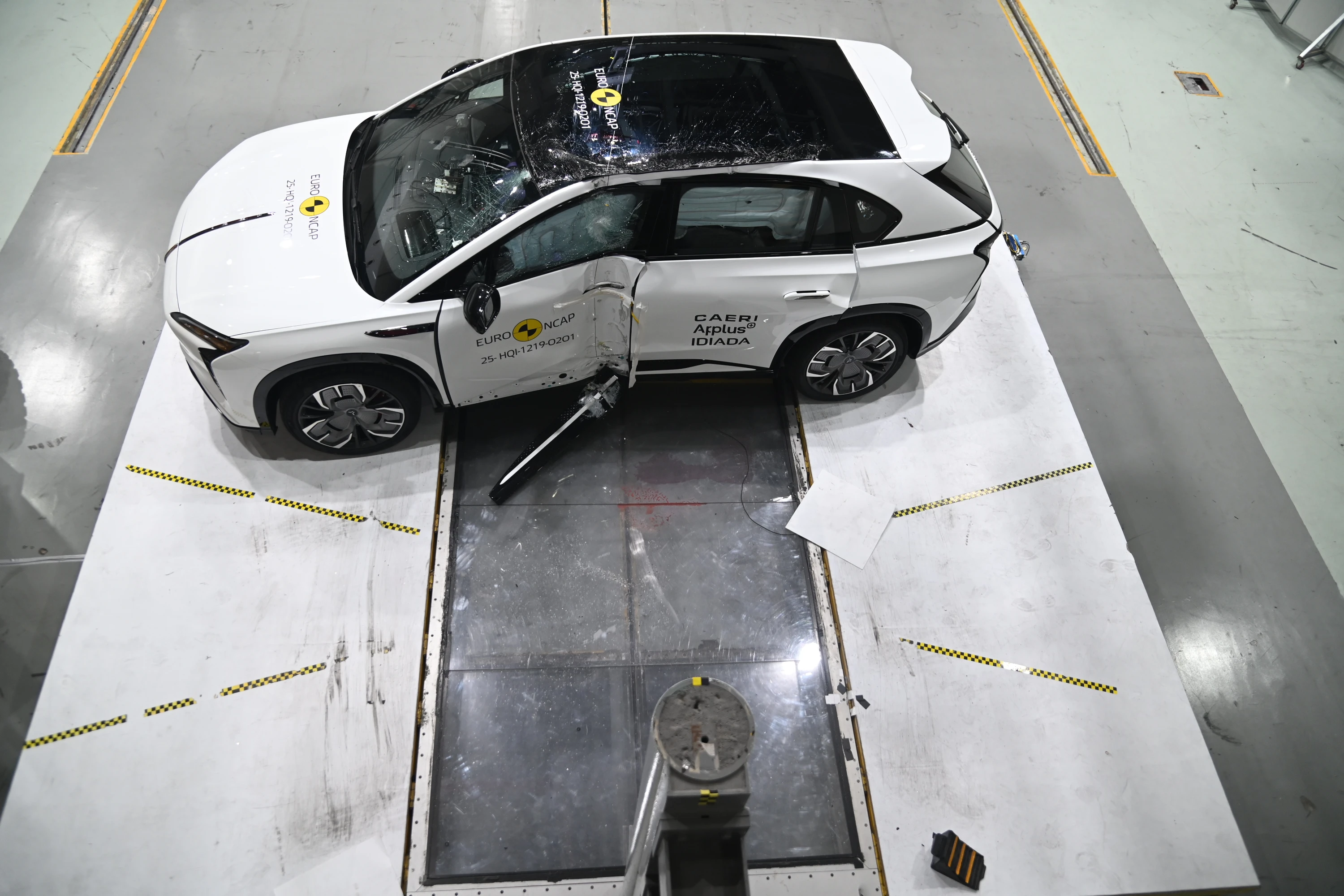
Side impacts are especially dangerous due to the limited distance between occupants and the point of intrusion. Two major tests are used:
- Mobile barrier test – A deformable barrier strikes the car at a specific speed and angle, evaluating torso, pelvis, and rib protection.
- Pole test – The car is propelled sideways into a narrow rigid pole, simulating impact with a tree or streetlight. This test demands robust side-structure design and effective curtain airbag deployment.
Side-impact tests typically use WorldSID dummies, capable of measuring rib deflection, abdominal forces, and pelvic acceleration more accurately than older dummy designs.
Rear-Impact / Whiplash Testing
Rear-impact assessments measure neck and spine injury potential, one of the most common causes of long-term crash-related medical issues.
Testing includes:
- Dynamic sled tests
- Head-restraint evaluation
- Seat-back strength and deformation measurement
The goal is to reduce whiplash injuries and improve long-term spinal health outcomes.
Pedestrian and Cyclist Safety
Pedestrian tests use impactors representing legs, hips, and heads to evaluate the likelihood of severe injury. These tests measure:
- Bumper and bonnet deformation characteristics
- Windshield and cowl impact responses
- AEB effectiveness for pedestrians and cyclists
- Sensor detection coverage and visibility
With EVs increasingly common in dense urban environments, this category has grown in importance.
Testing Driver-Assistance Systems (Active Safety / ADAS)
Safety ratings no longer focus solely on crash survivability. Increasingly, agencies reward features that help prevent crashes in the first place.
ADAS evaluations include:
- Automatic Emergency Braking (AEB) for vehicles, pedestrians, and cyclists
- Lane Keeping Assist and Lane Support
- Driver monitoring systems
- Junction assist (turning-across-traffic scenarios)
- Child presence detection
These systems now contribute significantly to overall safety scores.
The video below shows the ADAS portion of Euro NCAP testing for the Audi A6 e-tron.
Additional Testing Considerations
Modern safety agencies also evaluate:
- Post-crash rescue access (door opening forces, electric isolation, built-in rescue instructions)
- Child restraint compatibility and ISOFIX performance
- Airbag timing and coverage
- Battery integrity in EVs, including thermal behavior, electrolyte leakage, and high-voltage isolation after impact
How Safety Ratings Are Calculated
Major safety organizations—Euro NCAP, IIHS, NHTSA, C-NCAP, and ANCAP—use similar overall categories:
- Adult occupant safety
- Child occupant safety
- Vulnerable road user protection
- Safety assist performance (ADAS)
However, protocols vary significantly by region. A 5-star vehicle in one market may not achieve the same score elsewhere because the procedures, speeds, dummy types, and weightings differ.
You can study the results directly on the following websites:
Industry Criticism of Modern Safety Testing Protocols
While safety organizations argue that evolving protocols save lives, several manufacturers and industry experts have raised concerns about cost, complexity, and relevance—especially for affordable vehicles.
Concrete Criticism from Automakers and Experts
1. “Star-chasing” instead of true safety improvements
(Engineers formerly at Mercedes-Benz)
Elbil24 reports that some engineers believe manufacturers are pressured to optimize for specific test conditions rather than improve holistic real-world safety.
2. Citroën: Safety protocols make small EVs too expensive
Leadership at Citroën stated during the launch of the ë-C3 that top Euro NCAP ratings are not realistic for budget EVs, as required ADAS features would raise prices beyond what customers will pay.
3. Some automakers may reduce focus on Euro NCAP scoring
According to reporting, several manufacturers are considering scaling back investments in achieving high star ratings for cost-sensitive models, citing the rapid expansion of ADAS requirements.
4. Higher safety standards causing feature removal in low-cost models
DrivenCarGuide notes that ANCAP/NCAP’s stringent requirements have led some manufacturers to remove advanced safety features from base trims to maintain affordability.
5. ADAS intrusiveness acknowledged even by NCAP
Autocar reports that Euro NCAP updated its ADAS protocols partly due to driver frustration with overly intrusive or noisy assistance systems.
Summary of Common Criticisms
- Cost vs. consumer value – Not all buyers want or can afford the features required to obtain 5-star ratings.
- One-size-fits-all rules – Small and inexpensive vehicles may be unfairly penalized by the same criteria applied to premium models.
- Constant protocol changes – Rapid updates strain development schedules and budgets.
- Software-driven safety – Smaller automakers struggle to meet complex ADAS requirements.
Safety Organizations’ Response
Safety agencies argue that:
- ADAS prevents crashes and reduces fatalities.
- Standards must evolve to keep pace with technology and traffic complexity.
- Tough rules push the whole industry—small and large manufacturers alike—toward safer vehicles.
- Budget cars deserve the same level of protection as premium vehicles.
Future Trends in Crash Testing
Upcoming developments include:
- Improved evaluation of heavy EVs interacting with lighter vehicles
- More advanced modeling of battery thermal propagation
- Testing of firefighter and rescue access
- Increased use of virtual simulation and AI modeling
- Greater emphasis on driver monitoring systems
Upcoming Euro NCAP Protocol Updates for 2026
Euro NCAP has announced substantial updates for 2026 to reflect modern traffic environments and the shift toward electrification and software-defined vehicles.
1. New heavy-vehicle compatibility assessments
Addressing the growing weight of EVs and their impact on smaller vehicles in collisions.
2. Expanded battery safety evaluation
Including tests for enclosure robustness, post-crash thermal stability, and high-voltage isolation.
3. More advanced ADAS scenarios
Covering complex urban situations, higher-speed AEB, and improved cyclist/pedestrian modeling.
4. Vehicle occupancy monitoring
Evaluating rear-seat reminders, child presence detection, and seatbelt misuse detection.
5. Software update transparency
Assessing whether safety-critical software updates improve or degrade safety performance over time.
6. Revised scoring balance
Ensuring that passive safety, active safety, post-crash performance, and battery integrity are weighted more evenly.