
Sony Honda Mobility cancels the Afeela
Sony Honda Mobility (SHM) announced on March 25, 2026, that it has discontinued development and launch of both the Afeela 1 sedan and its planned second model, a four-door SUV. The decision ends a joint venture that was supposed to bring a tech-forward luxury EV to market by late 2026.
The cancellation is a direct consequence of Honda's broader reassessment of its electrification strategy, announced on March 12. That review led Honda to cancel three EVs planned for North American production, leaving SHM without the platform technology and production assets it needed to move forward.
What was the Afeela
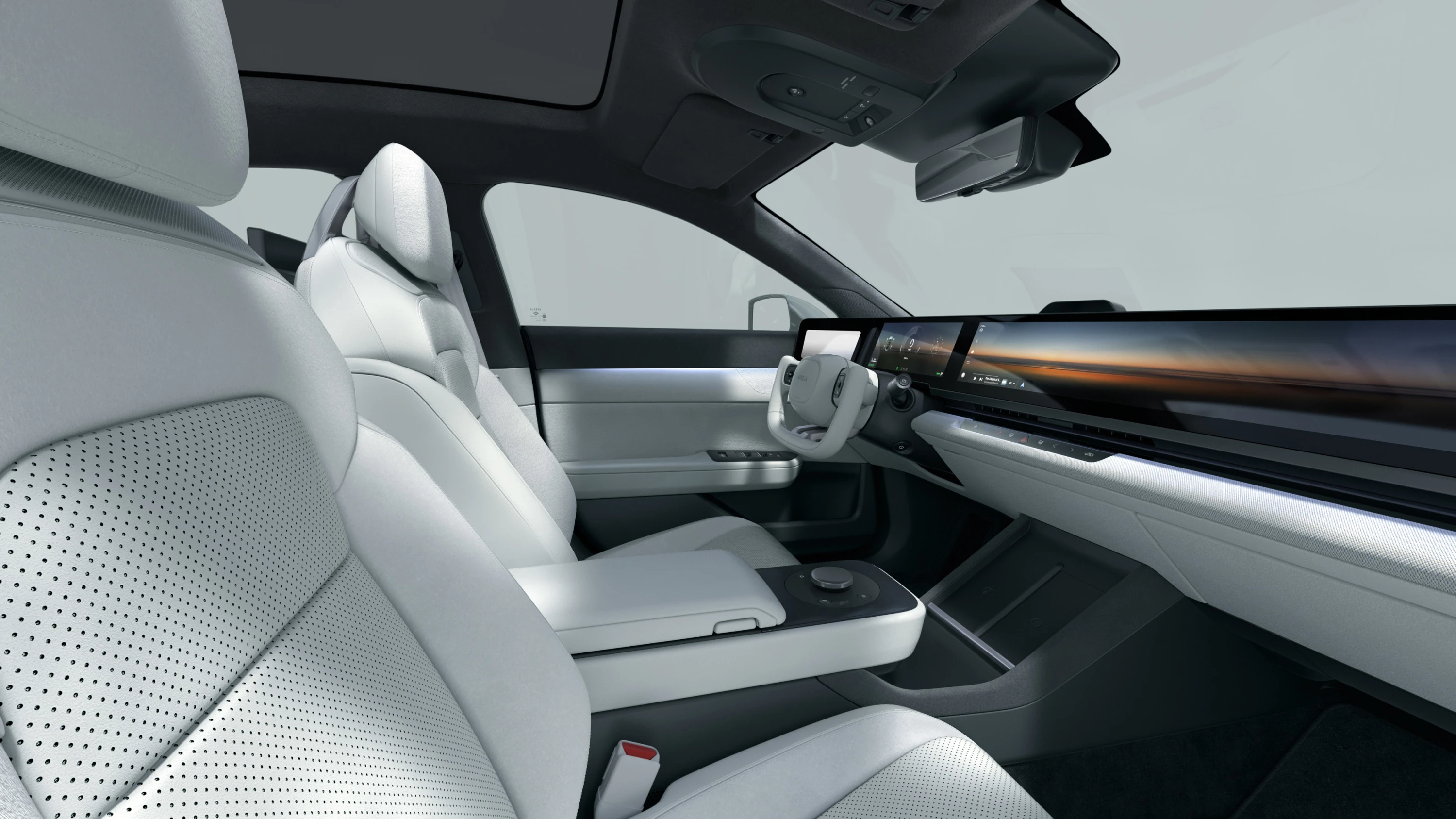
The Afeela 1 was a mid-size electric sedan developed jointly by Sony and Honda through their 50/50 joint venture, Sony Honda Mobility Inc., established in 2022. Sony brought its entertainment, sensor, and software expertise. Honda provided the vehicle platform, manufacturing, and automotive engineering.
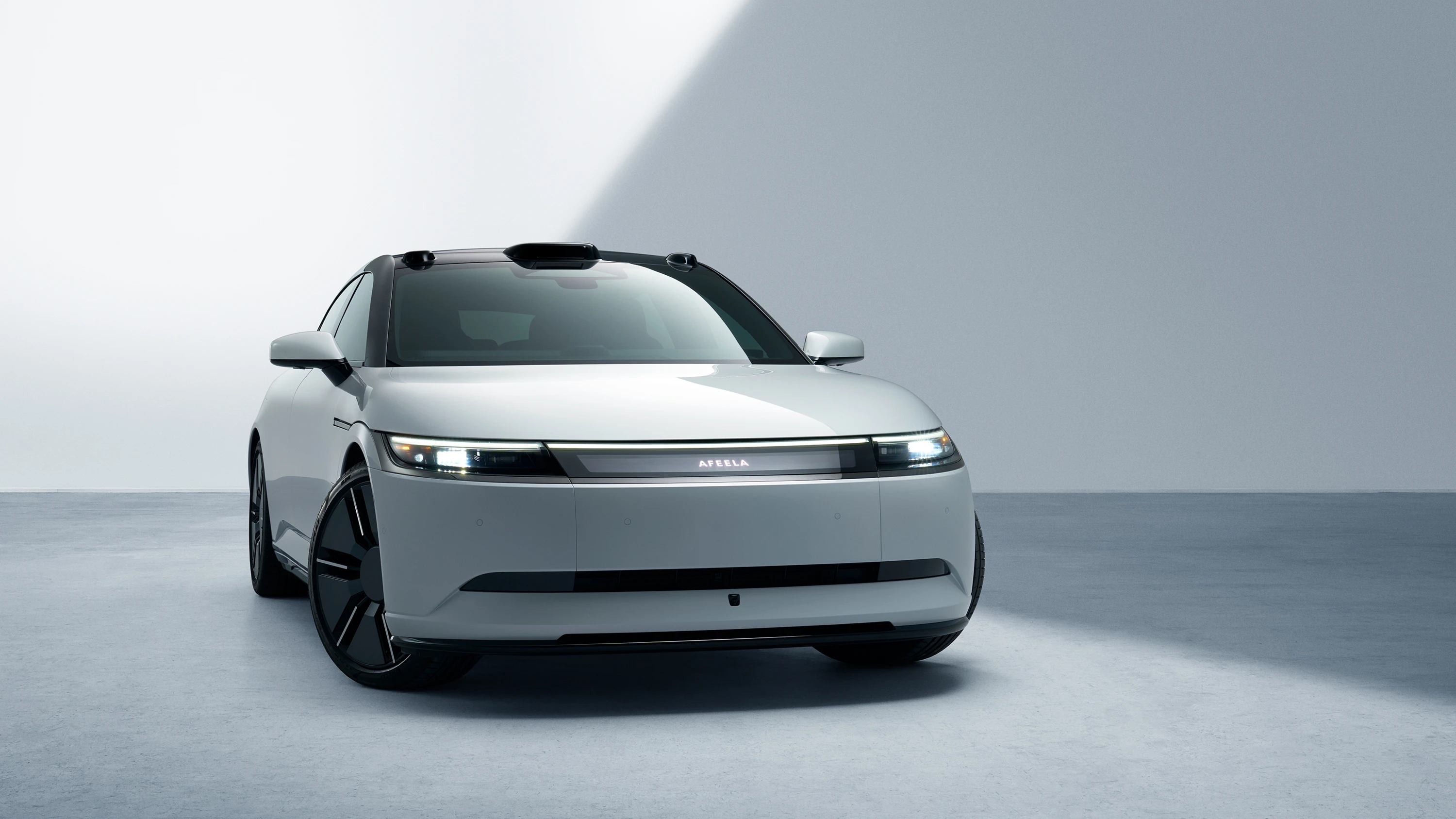
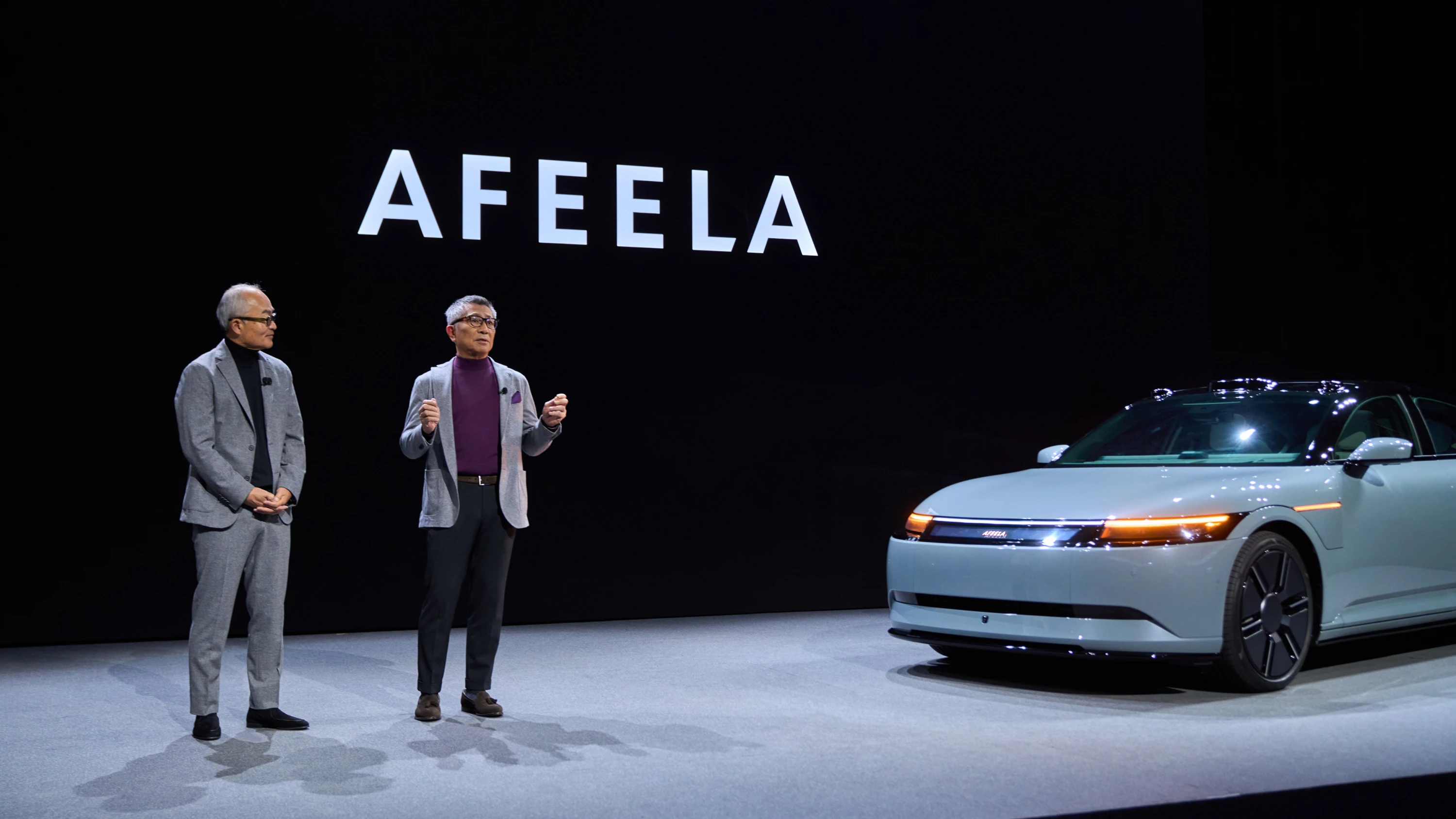
The car was first shown as a concept at CES 2023 and revealed in closer-to-production form at CES 2025. It carried a 91 kWh lithium-ion battery with an estimated EPA range of up to 300 miles, DC fast charging at up to 150 kW, and a NACS charge port. The interior leaned heavily on Sony's entertainment ecosystem, with an ultra-wide dashboard display, PlayStation integration, and a subscription-based software model covering autonomous driving features, a personal AI agent, and 5G connectivity.
Two trims were planned: the Afeela 1 Signature at $102,900 and the Afeela 1 Origin at $89,900, with the Origin scheduled for a 2027 launch. Production was to take place at a Honda facility in Ohio, with initial sales limited to California.
The second model, an SUV, had not been formally revealed but was expected to arrive as early as 2028.
Why it was canceled
Honda's March 12 announcement was the trigger. Facing what it described as "recent changes in the business environment," Honda canceled three EVs planned for North American production — the Honda 0 SUV, Honda 0 Saloon, and Acura RSX — and flagged potential losses of up to 2.5 trillion yen (roughly $16 billion). Honda pointed to the elimination of U.S. EV purchase incentives, eased emissions regulations, and new import tariffs as key factors.
SHM depended on Honda for core vehicle technology and production capacity. With Honda pulling back from its North American EV commitments, SHM said it "does not have a viable path forward to bring the models to market as originally planned."
That is a candid admission. The joint venture was structured so that Sony handled software and entertainment while Honda handled the car itself. When Honda withdrew the car side of the equation, there was nothing left to build on.
What happens now
SHM said it will issue full refunds to all customers who placed $200 reservations for the Afeela 1 in California. The Ohio production plan is off the table.
Sony and Honda have said they will continue to discuss and evaluate the future of SHM, with plans to announce the joint venture's "future direction and mid-to-long-term positioning" at a later date. That language leaves room for a pivot — perhaps toward software or mobility services — but it does not commit either company to anything concrete.
What this means for the industry
The Afeela was one of the most prominent examples of a tech company trying to enter the auto industry through a manufacturing partnership. Its cancellation raises questions about how viable that model is when the automotive partner changes course.
Sony still has sensor, entertainment, and AI capabilities that are relevant to the car industry. But building a car requires a platform, a factory, and a supply chain — things that are difficult to replace when the partner providing them steps back.
For Honda, the Afeela cancellation is part of a much larger retreat from near-term EV launches in North America. The company has said it still plans to sell EVs long-term, but its immediate focus is shifting toward hybrids and a more cautious rollout. Honda
The broader pattern is clear: legacy automakers are becoming more selective about which EV programs they fund, and joint ventures that depend on those programs are vulnerable when priorities shift.
This article will be updated if Sony Honda Mobility announces a new direction for the partnership.