
Formatos de células
As células das baterias dos veículos elétricos são produzidas principalmente em formatos cilíndrico, prismático e de bolsa. O formato não identifica a química nem determina a qualidade da célula, mas altera a forma como os elétrodos são montados e como a célula tem de ser arrefecida, apoiada, ligada e integrada.
Formato, dimensão e construção interna
Três escolhas diferentes são frequentemente confundidas nas discussões sobre baterias:
- A química da célula descreve os materiais eletroquímicos, como NMC, NCA, LFP, LMFP ou iões de sódio.
- O formato da célula descreve o invólucro físico: cilíndrico, prismático ou de bolsa.
- A arquitetura da bateria descreve como as células são ligadas, arrefecidas, imobilizadas, protegidas e integradas no veículo.
Estas escolhas influenciam-se mutuamente, mas nenhuma determina as restantes. Uma célula prismática pode utilizar química LFP ou NMC. As células cilíndricas podem ser instaladas em módulos ou diretamente numa estrutura Cell-to-Pack. As células de bolsa podem ser dispostas em módulos convencionais ou em grupos de células integrados de maiores dimensões.
O US Department of Energy identifica os formatos cilíndrico, prismático e de bolsa como as principais formas das células de iões de lítio e assinala que os invólucros e as estruturas internas de elétrodos e separadores criam características diferentes de fabrico e desmontagem. (US Department of Energy)
Elétrodos enrolados
Um conjunto de elétrodos contém camadas alternadas de elétrodo positivo, separador e elétrodo negativo.
Numa célula enrolada, folhas compridas de elétrodo e separador são enroladas numa espiral habitualmente chamada jelly roll. As células cilíndricas utilizam um rolo circular. Uma célula prismática pode utilizar um rolo enrolado e achatado que cabe numa caixa retangular.
O enrolamento é compatível com uma produção contínua e de alta velocidade, porque os fabricantes podem processar rolos longos de material de elétrodo revestido. O alinhamento continua a ter de ser controlado com precisão: material separador danificado, rugas ou extremidades de elétrodos mal posicionadas podem criar defeitos internos.
Um rolo achatado não preenche perfeitamente um invólucro retangular. As extremidades curvas também sofrem pressões, percursos de corrente e movimentos mecânicos diferentes dos das secções largas e direitas.
Elétrodos empilhados
Numa célula empilhada, folhas individuais de elétrodo ou unidades de elétrodos laminadas são colocadas em camadas alternadas, com material separador entre elas.
Outra abordagem é o empilhamento em Z, no qual um separador contínuo é dobrado para a frente e para trás enquanto as folhas dos elétrodos positivo e negativo são inseridas entre as dobras. A pilha retangular resultante consegue utilizar eficazmente o interior de um invólucro prismático ou de bolsa, porque não tem extremidades curvas nos elétrodos.
O empilhamento exige corte, posicionamento, inspeção e manuseamento rigorosos de muitas camadas. O guia de fabrico da Samsung SDI descreve o enrolamento como o processo habitual para as suas células cilíndricas e o empilhamento em Z como o processo utilizado nas células prismáticas. (Samsung SDI)
O formato exterior não revela o processo interno utilizado. As células prismáticas e de bolsa podem ser enroladas, empilhadas, dobradas ou montadas através de uma combinação destes métodos específica do fornecedor.
O invólucro é uma parte ativa da conceção
O invólucro de uma célula faz mais do que manter o eletrólito no interior. Consoante o formato, pode:
- Manter a pressão mecânica sobre o conjunto de elétrodos
- Conduzir calor para uma superfície de refrigeração
- Proteger o separador e as extremidades dos elétrodos contra impactos
- Transportar um potencial elétrico como parte da conceção dos terminais
- Proporcionar um percurso de ventilação controlado
- Impedir a entrada de humidade e a saída de eletrólito
- Transferir cargas para o módulo ou bateria envolvente
As caixas rígidas cilíndricas e prismáticas proporcionam, por si só, um apoio considerável. Uma bolsa flexível depende muito mais da estrutura que a rodeia.
A dimensão da célula é tão importante como a sua forma
Duas células com o mesmo formato podem diferir muito em capacidade, energia, potência, geração de calor e comportamento mecânico.
A utilização de muitas células pequenas proporciona:
- Menos energia em cada célula individual
- Maior área superficial externa relativamente à energia armazenada
- Mais percursos elétricos em paralelo
- Mais componentes repetidos, soldaduras e possíveis pontos de falha
A utilização de menos células grandes proporciona:
- Menos terminais, interligações, soldaduras e posições de monitorização
- Menos material repetido do invólucro das células para uma determinada capacidade da bateria
- Mais energia armazenada em cada célula
- Percursos internos mais longos para eletrões, iões e calor
- Consequências maiores se uma célula desenvolver uma falha grave
A dimensão das células é, por isso, um contínuo, e não uma categoria de formato separada.
Células cilíndricas
Uma célula cilíndrica coloca um rolo de elétrodos enrolado dentro de uma caixa metálica redonda e rígida. A parede circular apoia o rolo de forma uniforme e resiste à pressão interna sem necessitar de grandes painéis planos.
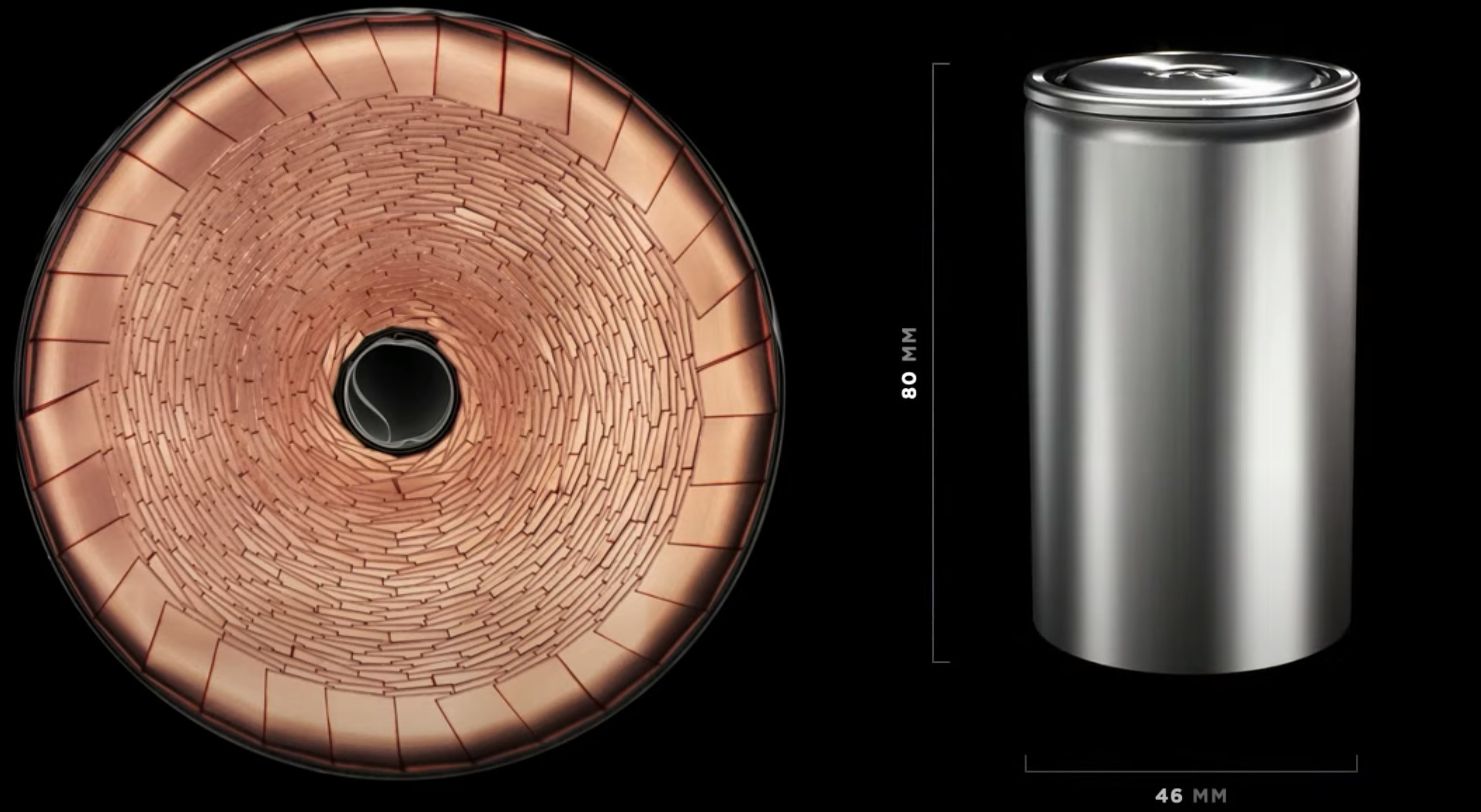
As células cilíndricas beneficiam de métodos de produção altamente automatizados, desenvolvidos em aplicações de consumo, industriais e automóveis. A forma regular é fácil de manusear, rodar, inspecionar e transportar através do equipamento de fabrico.
As células redondas deixam espaços quando são dispostas numa bateria retangular. Esses espaços reduzem a eficiência teórica de acondicionamento, mas nem sempre são desperdiçados. Os projetistas podem utilizá-los para:
- Canais de líquido de refrigeração
- Isolamento elétrico
- Adesivo estrutural ou espuma
- Suportes de células
- Folga para expansão
- Barreiras destinadas a retardar a propagação térmica
O resultado da bateria depende da eficácia com que estas funções utilizam o espaço disponível.
Designações das dimensões cilíndricas
As designações das células cilíndricas descrevem normalmente o diâmetro e a altura aproximados em milímetros:
- 18650 ou 1865: aproximadamente 18 mm de diâmetro e 65 mm de altura
- 2170 ou 21700: aproximadamente 21 mm de diâmetro e 70 mm de altura
- 4680: aproximadamente 46 mm de diâmetro e 80 mm de altura
- 4695: aproximadamente 46 mm de diâmetro e 95 mm de altura
- 46120: aproximadamente 46 mm de diâmetro e 120 mm de altura
As convenções de nomenclatura não são perfeitamente consistentes. Alguns fabricantes utilizam cinco algarismos, enquanto outros omitem o zero final. A designação descreve o volume nominal exterior, e não a química, a capacidade, a disposição dos terminais ou a construção interna.
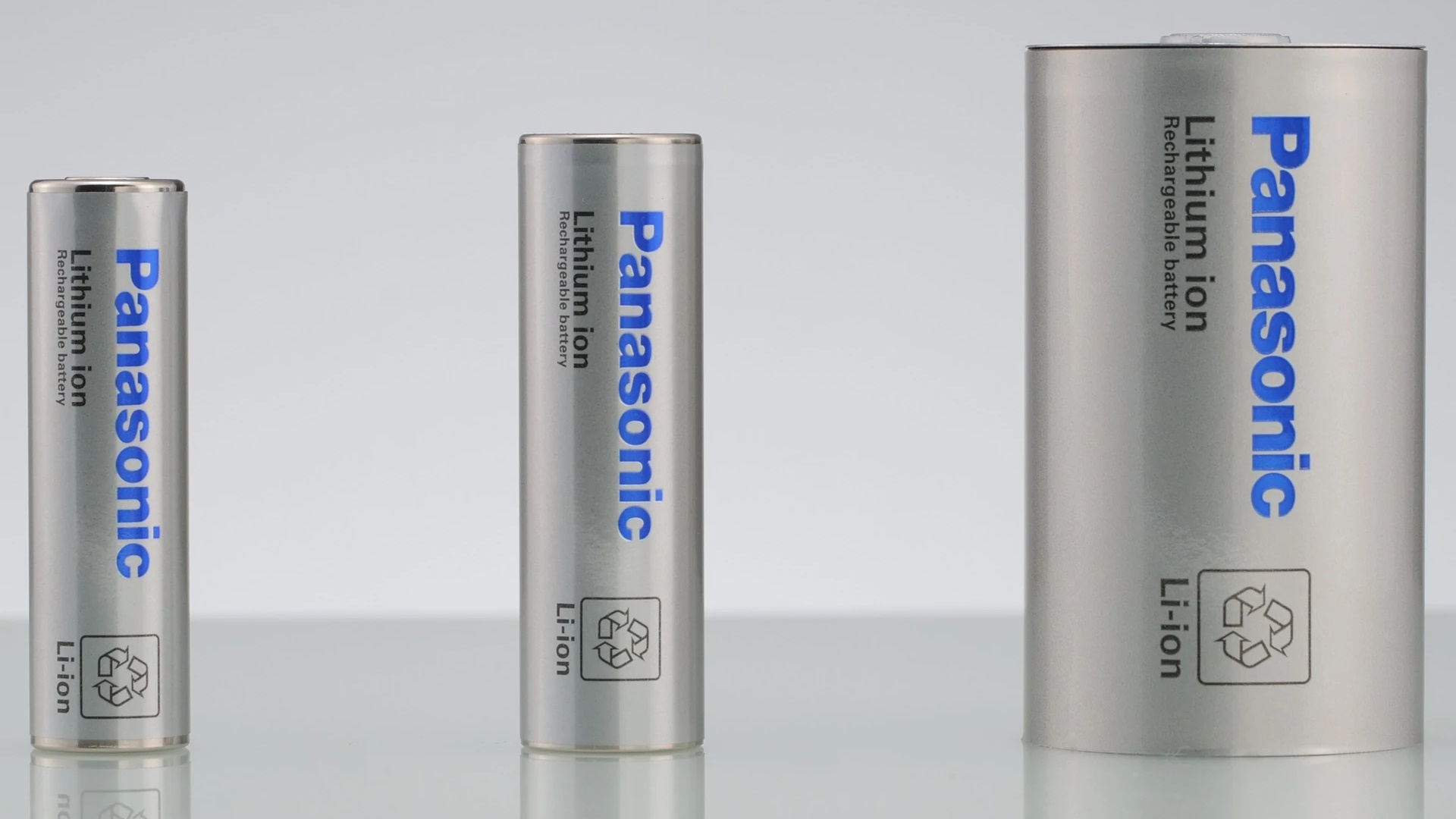
A adoção de um cilindro maior reduz o número de células necessário para uma determinada capacidade da bateria. A Panasonic afirma que a sua célula 4680 tem cerca de cinco vezes a capacidade da célula 2170. Trata-se principalmente de uma comparação da capacidade por célula: a 4680 é fisicamente muito maior, pelo que não significa cinco vezes a densidade energética. (Panasonic Energy)
As células maiores criam exigências próprias de engenharia. O calor tem de percorrer uma distância maior desde o centro do rolo, a corrente tem de ser recolhida em elétrodos maiores e cada célula contém mais energia. As tolerâncias de fabrico, a refrigeração, a ventilação e a proteção contra propagação tornam-se cada vez mais importantes.
O sistema Gen6 da BMW mostra como células com um diâmetro comum podem ser adaptadas a veículos diferentes. O BMW iX3 utiliza células de 46 mm com 95 mm de altura, enquanto o BMW iX5 utiliza células com o mesmo diâmetro e química, mas 120 mm de altura. A BMW afirma que a célula mais alta armazena quase 30% mais energia útil por célula. O aumento resulta do maior volume da célula; não corresponde a um aumento de 30% da densidade energética. (BMW Group)
Patilhas e recolha de corrente
As folhas de elétrodo revestidas dentro de uma célula cilíndrica têm de ser ligadas aos terminais externos.
Uma conceção tradicional utiliza uma ou mais patilhas metálicas distintas, soldadas aos coletores de corrente positivo e negativo. Os eletrões provenientes de partes distantes do elétrodo têm de percorrer a folha fina antes de chegarem a uma patilha. Esse percurso cria resistência e pode produzir distribuições irregulares de corrente e temperatura.
As células cilíndricas modernas de grandes dimensões podem utilizar:
- Várias patilhas distribuídas ao longo do elétrodo
- Muitas secções pequenas de patilha
- Uma ligação contínua da extremidade em torno de grande parte do rolo
- Ligações de área total entre a extremidade do coletor e o conjunto do terminal
O termo sem patilhas é habitualmente utilizado para conceções de patilha contínua, mas a ligação elétrica não desapareceu. Em vez disso, uma grande parte da extremidade do coletor de corrente funciona como ligação. Estudos sobre a recolha de corrente em células cilíndricas mostram que patilhas adicionais ou mais bem distribuídas podem reduzir o aumento da temperatura e os gradientes térmicos. (Journal of Power Sources)
O benefício depende da consistência do corte, dobragem, soldadura e contacto elétrico em torno do rolo de elétrodos. Uma geometria engenhosa que seja difícil de fabricar de forma repetível pode perder a sua vantagem teórica.
Refrigeração das células cilíndricas
O calor pode sair de uma célula cilíndrica através:
- Da parede lateral curva
- Da base
- Da extremidade dos terminais
- De material condutor colocado entre células vizinhas
A refrigeração lateral proporciona uma grande área de contacto, mas exige estruturas de refrigeração entre filas de células. A refrigeração pela base ou pelos terminais pode simplificar a montagem da bateria, embora o calor tenha então de percorrer a altura do rolo.
O rolo de elétrodos é termicamente anisotrópico: o calor desloca-se mais facilmente em algumas direções do que noutras. O melhor método de refrigeração depende, por isso, da altura e do diâmetro da célula, da conceção das patilhas, da química, da procura de potência e da diferença de temperatura que a bateria consegue tolerar.
Vantagens das células cilíndricas
- Um invólucro rígido com resistência eficaz à pressão
- Produção madura e altamente automatizada
- Geometria consistente para manuseamento e inspeção
- Capacidade flexível da bateria através de grupos de células em paralelo
- Grande área superficial relativamente à energia quando são utilizadas células mais pequenas
- Famílias de dimensões e equipamento de fabrico estabelecidos
Limitações das células cilíndricas
- As células redondas não conseguem preencher completamente um volume retangular
- As baterias com células pequenas exigem muitas soldaduras e interligações
- Os cilindros grandes contêm mais energia por possível falha
- A bateria tem de criar uma refrigeração uniforme para muitas células
- A orientação das células e a posição dos terminais limitam a disposição da bateria
- A temperatura interna do núcleo não pode ser deduzida perfeitamente a partir de uma única medição externa
Células prismáticas
Uma célula prismática utiliza um invólucro retangular rígido, normalmente de alumínio ou aço. O conjunto de elétrodos pode ser um rolo enrolado e achatado ou uma pilha de camadas individuais.
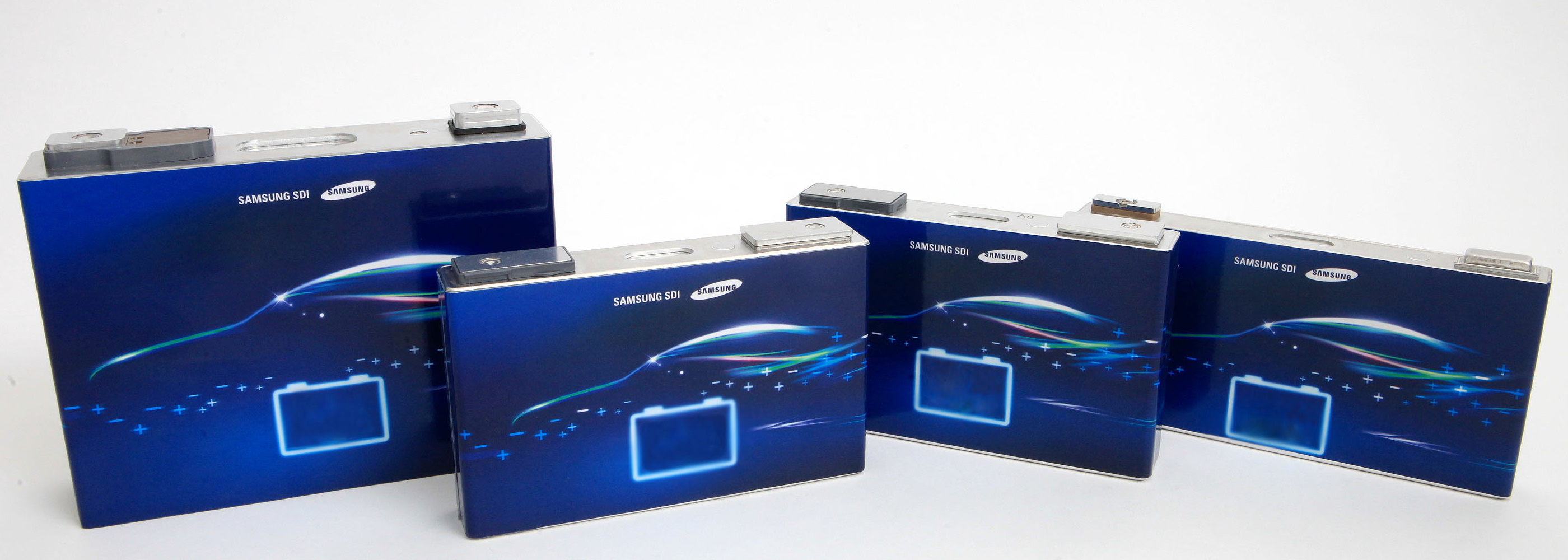
A forma retangular consegue utilizar eficazmente a área do piso do veículo e permite construir uma bateria com relativamente poucas células grandes. Menos células reduzem o número de terminais, juntas de barramentos, soldaduras e pontos de monitorização da tensão.
As faces largas das células podem ser colocadas contra placas de refrigeração ou estruturas de compressão. A caixa metálica também proporciona proteção contra impactos e um local definido para terminais, vedantes, uma válvula de pressão e, por vezes, um mecanismo de interrupção de corrente ou fusível.
As paredes planas necessitam de um controlo mecânico cuidadoso. Os materiais dos elétrodos mudam de dimensão com o estado de carga, a temperatura e a idade, enquanto as reações secundárias podem gerar gás. A bateria tem de permitir o movimento normal, evitando simultaneamente expansão excessiva, perda de contacto com a refrigeração ou pressão local prejudicial.
As células prismáticas grandes também podem desenvolver gradientes internos de temperatura e estado de carga. Arrefecer uma face ou apenas a base não garante que todas as partes da pilha de elétrodos permaneçam à mesma temperatura.
Plataformas normalizadas e células específicas do fornecedor
Ao contrário das células cilíndricas, as células prismáticas não seguem um único conjunto de dimensões externas amplamente utilizado. A sua altura, largura, espessura, posição dos terminais, conceção da ventilação e capacidade são frequentemente adaptadas a um fabricante ou plataforma de veículo.
Isto pode melhorar a integração, mas reduz a possibilidade de substituição entre modelos. Duas células prismáticas com química e capacidade semelhantes podem não caber na mesma bateria nem utilizar as mesmas interfaces de compressão, refrigeração e ligação elétrica.
A Unified Cell do Volkswagen Group, desenvolvida pela PowerCo, é um exemplo de normalização dentro de um grupo automóvel. É uma plataforma prismática concebida para suportar diferentes fornecedores, veículos e químicas de elétrodos. A PowerCo iniciou a produção com uma versão NMC e afirma que se seguirão variantes LFP. (Volkswagen Group)
A Unified Cell não é uma nova química e não torna todas as versões eletroquimicamente idênticas. Os materiais dos elétrodos, a carga, a capacidade, a janela de tensão, a capacidade de carregamento e os requisitos térmicos podem continuar a diferir dentro de um conceito exterior comum.
Células prismáticas compridas e do tipo lâmina
Uma célula do tipo lâmina é uma célula prismática comprida e estreita. Não constitui um quarto formato fundamental.
A Blade Battery da BYD utiliza células LFP compridas e planas, colocadas diretamente numa matriz sem módulos intermédios convencionais.
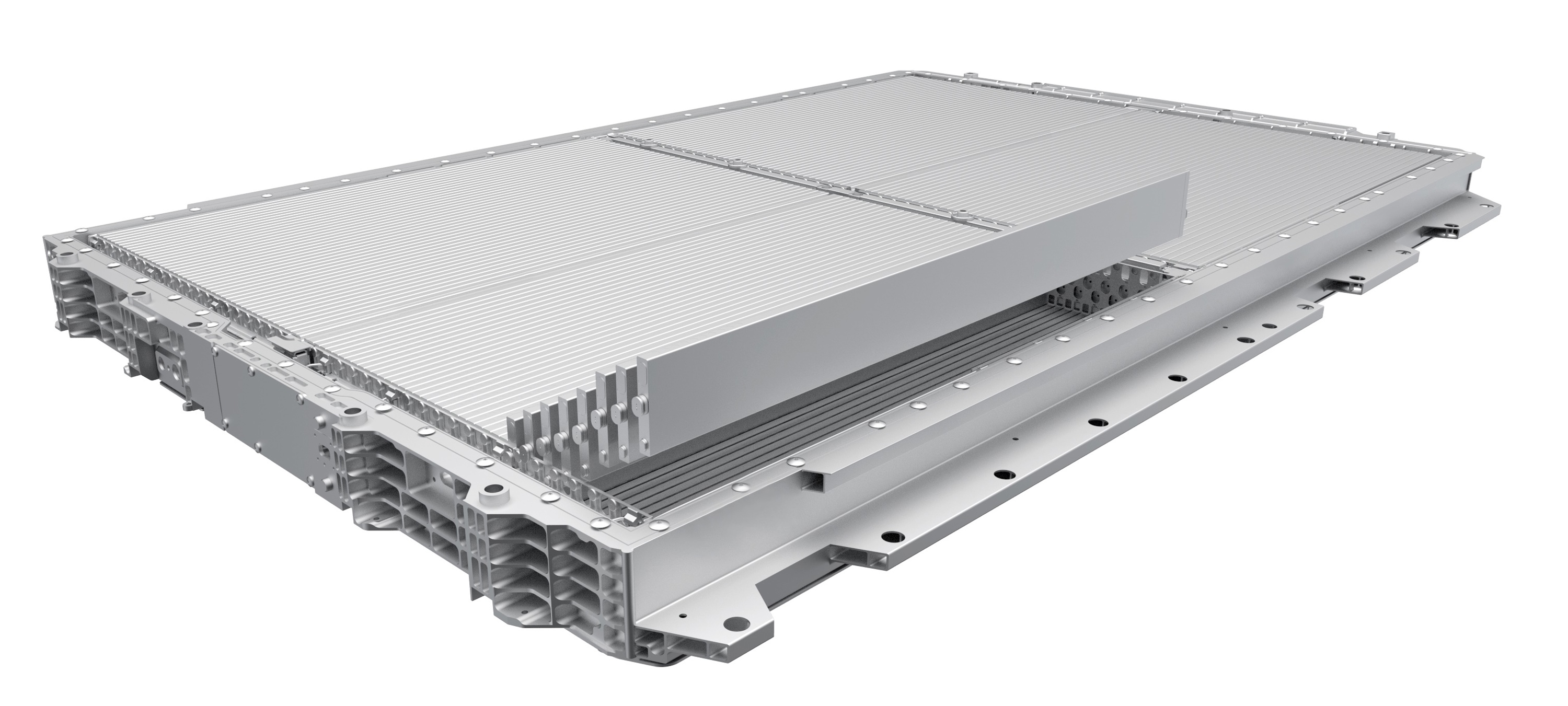
A BYD descreve cada célula como uma contribuição para a estrutura da bateria. A forma comprida permite que uma célula atravesse grande parte do invólucro, reduz o número de ligações elétricas repetidas e proporciona superfícies largas para transferência de calor. (BYD)
Muitos benefícios atribuídos a uma célula do tipo lâmina resultam da relação entre as suas dimensões e a bateria construída à sua volta. Uma célula prismática comprida não proporciona automaticamente elevada densidade energética da bateria, carregamento rápido nem forte desempenho em colisões.
As suas limitações também resultam dessa integração estreita:
- O comprimento da célula e a largura da bateria têm de ser concebidos em conjunto
- O alinhamento e as tolerâncias dimensionais aplicam-se a um componente comprido
- A temperatura e a pressão têm de permanecer controladas ao longo de toda a célula
- Uma célula contém uma quantidade substancial de energia
- A substituição de uma célula individual pode ser difícil numa estrutura altamente integrada
O comportamento térmico da Blade Battery também reflete a sua química LFP, a conceção dos elétrodos, o estado de carga e o sistema completo da BYD. A forma da célula não deve receber o mérito por comportamentos relacionados com a química.
Vantagens das células prismáticas
- Utilização eficiente do espaço retangular da bateria
- Menos células e ligações elétricas
- Invólucro rígido e componentes de ventilação definidos
- Superfícies largas para refrigeração e compressão
- Dimensões que podem ser adaptadas a uma plataforma de veículo
- Boa compatibilidade com conceitos de bateria sem módulos
Limitações das células prismáticas
- As grandes superfícies planas exigem expansão e compressão controladas
- Podem desenvolver-se gradientes térmicos internos numa célula grande
- Cada célula contém uma quantidade considerável de energia
- As dimensões e interfaces são frequentemente específicas do fornecedor
- Uma célula concebida para uma plataforma pode ser difícil de reutilizar noutra
- As células grandes tornam a bateria mais sensível à consistência de cada célula
Células de bolsa
Uma célula de bolsa utiliza um invólucro laminado flexível em vez de uma caixa metálica rígida. A película combina normalmente uma camada de barreira de alumínio com camadas de polímero que proporcionam isolamento elétrico, proteção mecânica e superfícies termosseláveis.
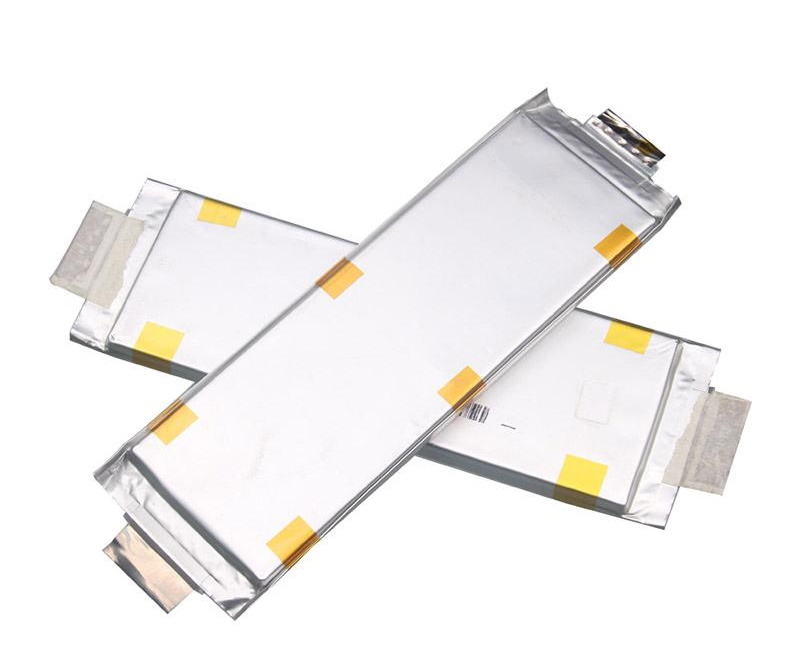
A bolsa contém um conjunto de elétrodos enrolado, empilhado, laminado ou dobrado. As células de bolsa de grandes dimensões para automóveis utilizam frequentemente conceções empilhadas, porque as camadas retangulares conseguem ocupar eficazmente o invólucro.
Durante o processo de montagem de células de bolsa da LG Energy Solution, as unidades de elétrodos laminadas são empilhadas, os condutores são soldados à pilha e esta é inserida numa bolsa moldada. O eletrólito é adicionado através de uma bolsa temporária para gases. O gás produzido durante os primeiros ciclos de formação é posteriormente retirado antes de a bolsa receber a vedação final. (LG Energy Solution)
O invólucro laminado acrescenta pouca massa, mas não imobiliza os elétrodos como uma caixa rígida. Uma célula de bolsa tem de ser tratada como parte de um sistema mecânico que inclui:
- Placas ou estruturas de compressão
- Almofadas flexíveis que permitem a expansão
- Proteção das extremidades da célula e dos vedantes dos condutores
- Uma interface de refrigeração controlada
- Barreiras entre células adjacentes
- Apoio que evita a flexão durante a montagem e o funcionamento do veículo
As células de bolsa mudam normalmente ligeiramente de espessura com os ciclos. Pode ocorrer expansão adicional à medida que a célula envelhece ou se as reações secundárias gerarem gás. A compressão deve ser suficientemente forte e uniforme para manter o contacto, mas não tão elevada ou irregular que danifique a pilha de elétrodos.
Refrigeração das células de bolsa
As faces largas de uma célula de bolsa proporcionam uma grande área potencial de refrigeração. As placas de refrigeração podem contactar uma ou ambas as faces, ou a bateria pode remover calor através de uma extremidade ou das patilhas dos elétrodos.
É essencial um bom contacto entre as faces. Se a expansão, a variação das tolerâncias ou uma compressão inadequada criar uma folga, a resistência térmica local aumenta. As almofadas e os materiais de interface térmica têm de manter o contacto, permitindo simultaneamente as alterações dimensionais normais.
O calor desloca-se mais facilmente ao longo das folhas metálicas dos elétrodos do que diretamente através das muitas camadas de elétrodos e separadores. Por isso, a temperatura da superfície pode ocultar uma região interna mais quente, especialmente numa célula grande ou espessa.
Vantagens das células de bolsa
- Baixa massa do invólucro
- Utilização eficiente do volume interno da célula
- Largura, altura e espessura flexíveis
- Superfícies largas que podem ser acopladas a placas de refrigeração
- Menos células do que nas baterias que utilizam formatos cilíndricos pequenos
- Compatibilidade com a construção de elétrodos empilhados
Limitações das células de bolsa
- A bateria tem de proporcionar a maior parte do apoio mecânico
- A compressão e a margem para expansão são essenciais
- As extremidades laminadas e os vedantes dos condutores necessitam de proteção cuidadosa
- As células flexíveis grandes são exigentes de manusear e montar
- A expansão pode alterar o contacto de refrigeração e a pressão mecânica
- As estruturas, almofadas e proteções anulam parte da redução de peso ao nível da célula
Como o formato das células altera a engenharia da bateria
O formato das células não funciona isoladamente. O seu valor depende da forma como a arquitetura da bateria explora as vantagens e compensa as limitações.
Número de células e ligações elétricas
Uma bateria que utilize milhares de células cilíndricas pequenas necessita de muitas soldaduras e percursos de corrente em paralelo. Uma bateria que utilize células prismáticas ou de bolsa grandes necessita de muito menos ligações, mas cada ligação transporta mais corrente e cada célula representa uma parcela maior da capacidade da bateria.
Menos células podem simplificar a deteção e a montagem. Mais células podem proporcionar incrementos de capacidade mais pequenos e mais percursos em paralelo. Nenhuma estratégia garante a fiabilidade: a qualidade de produção, a conceção das interligações, a deteção de falhas e a proteção elétrica determinam o resultado.
Percursos de refrigeração
As células cilíndricas proporcionam superfícies curvas e várias direções possíveis de refrigeração. As células prismáticas e de bolsa proporcionam superfícies largas e planas, mas podem desenvolver gradientes ao longo da espessura.
O sistema de refrigeração tem de corresponder:
- Ao local onde é gerado calor dentro da célula
- À facilidade com que o calor atravessa o conjunto de elétrodos
- À distância entre a região interna mais quente e o líquido de refrigeração
- À potência de carregamento e descarga
- À diferença de temperatura aceitável entre células
- À expansão da célula ao longo da sua vida
É por este motivo que o mesmo formato pode ter desempenhos muito diferentes em dois veículos.
Compressão e apoio estrutural
As células de bolsa necessitam de compressão externa. As células prismáticas grandes também precisam de contenção controlada, embora as suas caixas proporcionem mais apoio. As caixas cilíndricas são mais autoportantes, mas continuam a necessitar de posicionamento preciso e de proteção contra vibrações e impactos.
A estrutura envolvente acrescenta massa e ocupa espaço. Por isso, a densidade energética ao nível da célula não deve ser confundida com a densidade energética ao nível da bateria.
Energia da falha e propagação
Uma célula maior contém mais energia, pelo que uma falha grave pode libertar mais calor e gás num único local. Uma célula menor contém menos energia, mas a bateria tem mais células vizinhas e mais percursos possíveis de propagação.
O formato influencia a direção da ventilação, o espaçamento, as barreiras e a transferência de calor, mas não permite determinar a segurança por si só. A química, o estado de carga, a qualidade das células, os dispositivos de proteção, a refrigeração, a estrutura de colisão, a gestão de gases e os ensaios de propagação são todos importantes.
Cell-to-Pack não é um formato de célula
Cell-to-Pack significa que as células são integradas na bateria sem módulos autónomos convencionais. As células cilíndricas, prismáticas e de bolsa podem ser utilizadas em conceções sem módulos.
A eliminação dos invólucros dos módulos e de estruturas duplicadas pode melhorar a eficiência de espaço e massa. Também transfere mais responsabilidades para o invólucro da bateria, incluindo:
- Posicionamento e imobilização das células
- Isolamento elétrico
- Contacto de refrigeração
- Gestão das cargas de colisão
- Gestão do fogo e dos gases
- Controlo das tolerâncias de fabrico
- Estratégia de manutenção e reparação
O resultado depende da conceção completa, e não apenas da eliminação dos módulos.
Fabrico, reparação e reciclagem
As células pequenas normalizadas podem simplificar a produção das células e criar simultaneamente uma montagem complexa da bateria. As células grandes específicas de uma plataforma podem simplificar a montagem da bateria, mas exigem ferramentas e manuseamento próprios.
As baterias altamente integradas podem reduzir o número de peças e o peso, mas os adesivos, espumas estruturais, células compridas e instalação direta Cell-to-Pack podem tornar mais difíceis o diagnóstico, a desmontagem e a substituição de células individuais.
Os processos de reciclagem também encontram diferentes invólucros, adesivos, materiais de refrigeração e percursos de desmontagem. O Department of Energy assinala que o invólucro das células e a montagem dos elétrodos influenciam a facilidade com que as células podem ser abertas e processadas. (US Department of Energy)
O que o formato das células significa para o comprador de um veículo elétrico
O formato das células é útil para compreender decisões de engenharia, mas não é uma classificação de qualidade.
Um veículo não irá automaticamente:
- Carregar mais depressa porque utiliza células cilíndricas
- Percorrer uma distância maior porque utiliza células de bolsa
- Durar mais porque utiliza células prismáticas
- Resistir à propagação térmica porque utiliza células do tipo lâmina
- Ter elevada densidade energética da bateria porque utiliza uma construção Cell-to-Pack
Para um veículo elétrico específico, as perguntas mais úteis são:
- Quais são as capacidades bruta e útil da bateria?
- Qual é a eficiência do veículo?
- Como é a curva de carregamento?
- A bateria pode ser pré-condicionada antes do carregamento rápido?
- Como muda o carregamento em condições frias ou quentes?
- Como é que o sistema de gestão térmica arrefece e aquece as células?
- Que condições de degradação e garantia se aplicam?
- Como testou o fabricante a propagação entre células?
- É possível diagnosticar e substituir módulos ou grupos de células individuais?
- A reparação exige a substituição da bateria completa?
O formato ajuda a explicar por que motivo um fabricante selecionou determinada estratégia de refrigeração, estrutura, fabrico ou assistência. O veículo acabado determina se essa estratégia funciona bem.
Para conhecer os materiais dentro de cada formato, consulte Química e componentes das células. As ligações elétricas e a hierarquia estrutural são abordadas em Bateria e configuração, enquanto os sistemas de refrigeração são explicados em Gestão térmica da bateria.
Fontes
- US Department of Energy — Fabrico sustentável e economia circular
- Samsung SDI — Montagem de células, enrolamento e empilhamento em Z
- Panasonic Energy — Produção automóvel da célula 4680 apresentada pela Panasonic
- BMW Group — Células cilíndricas Gen6 no BMW iX5
- Journal of Power Sources — Conceção das patilhas e estratégia de refrigeração de células cilíndricas
- Volkswagen Group — Início da produção da Unified Cell da PowerCo
- BYD — Conceção da Blade Battery
- LG Energy Solution — Montagem de células de bolsa