
Volkswagen ID.3 Neo makes its world premiere
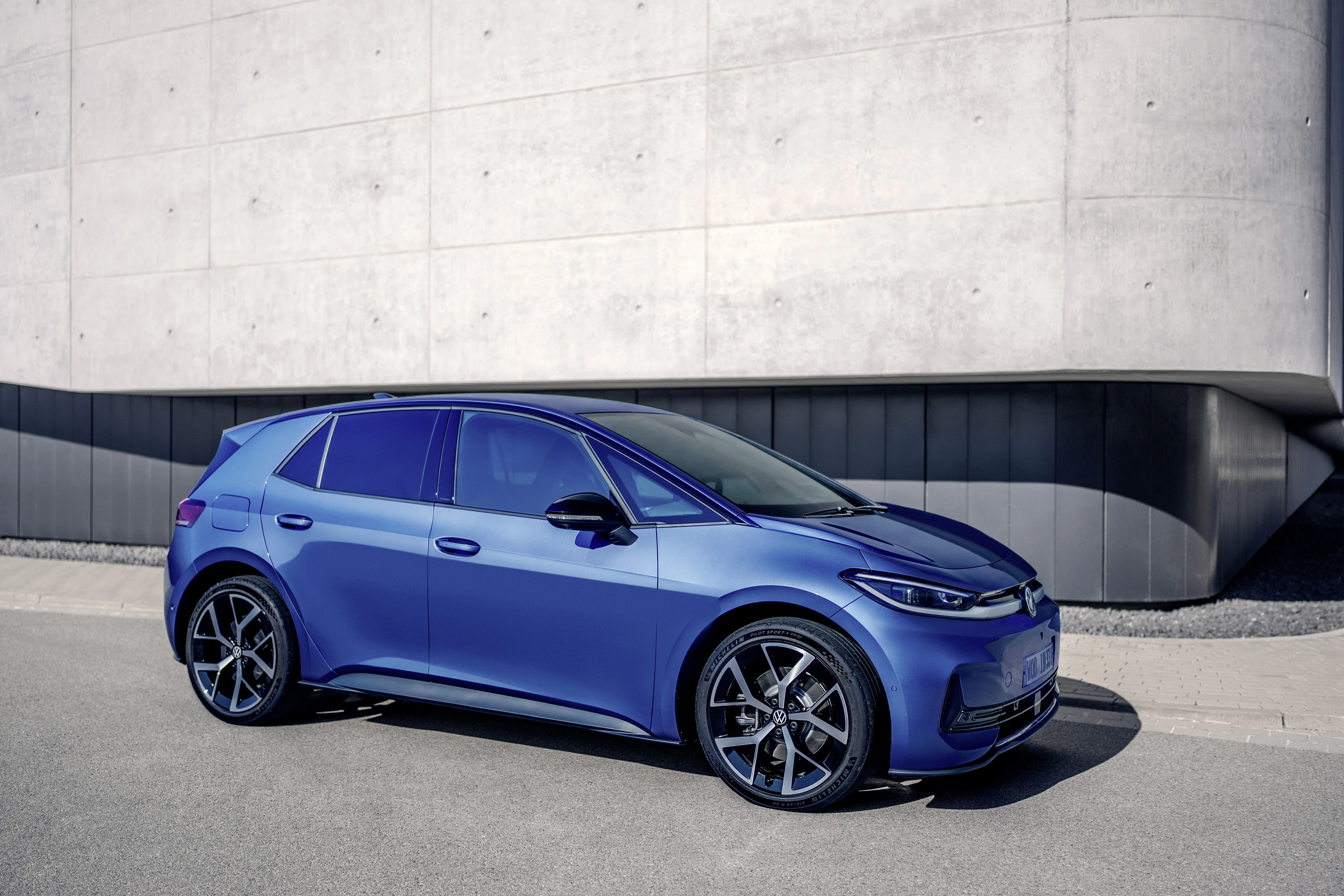
Volkswagen has pulled the wraps off the ID.3 Neo, the second-generation version of its compact electric hatchback. The name change reflects more than a facelift: the car has a new front end, a redesigned interior, and reworked drivetrains across three battery sizes. Pre-sales opened in Germany and several other European markets on April 16, 2026, with deliveries planned for July 2026.
What Volkswagen has confirmed
The ID.3 Neo keeps the same basic silhouette but swaps in a new nose that Volkswagen describes as part of its "Pure Positive" design language. There is a full-width light strip with an illuminated logo, and the roof, rear spoiler, and bootlid are painted in body color to give the car a flatter, longer look.
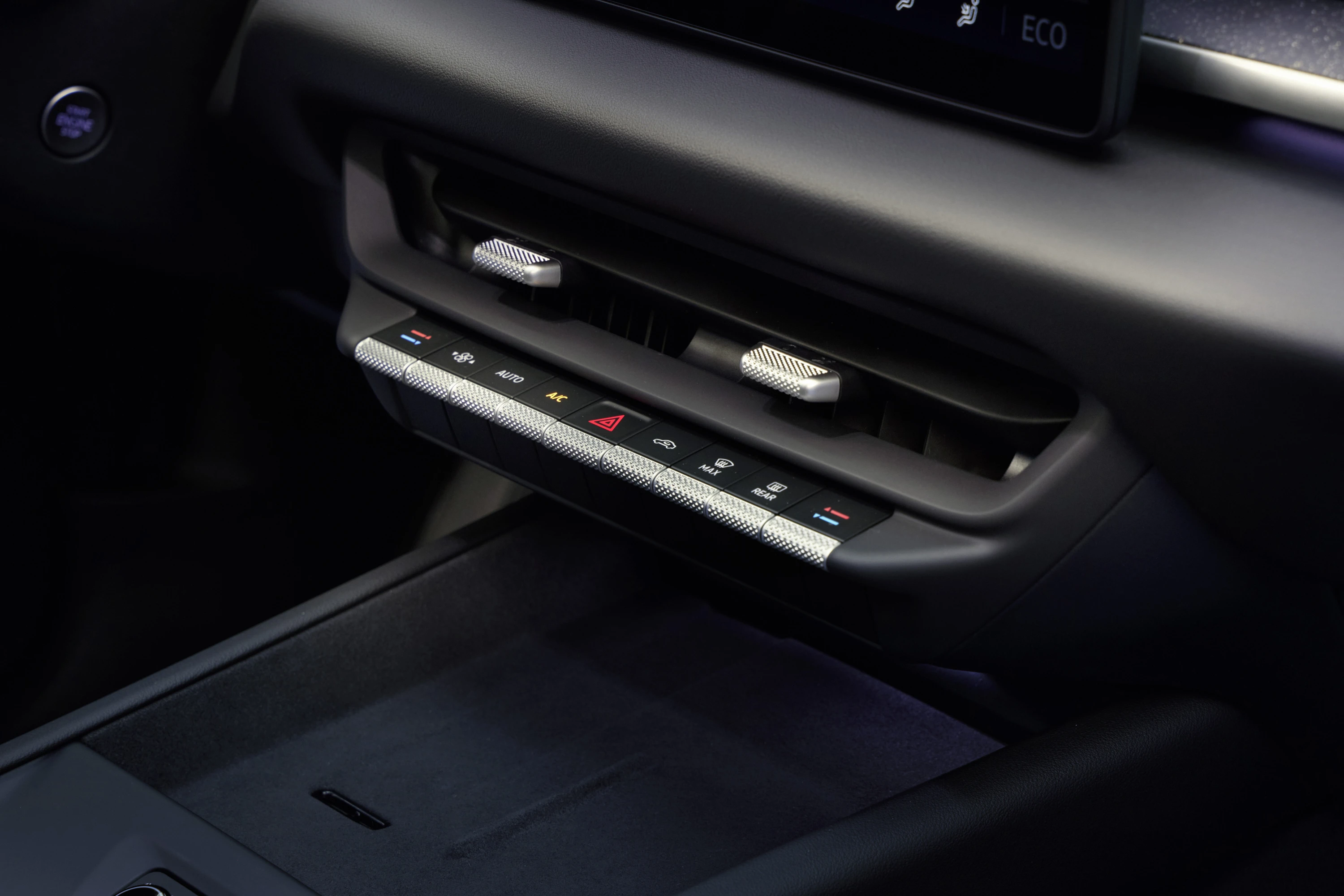
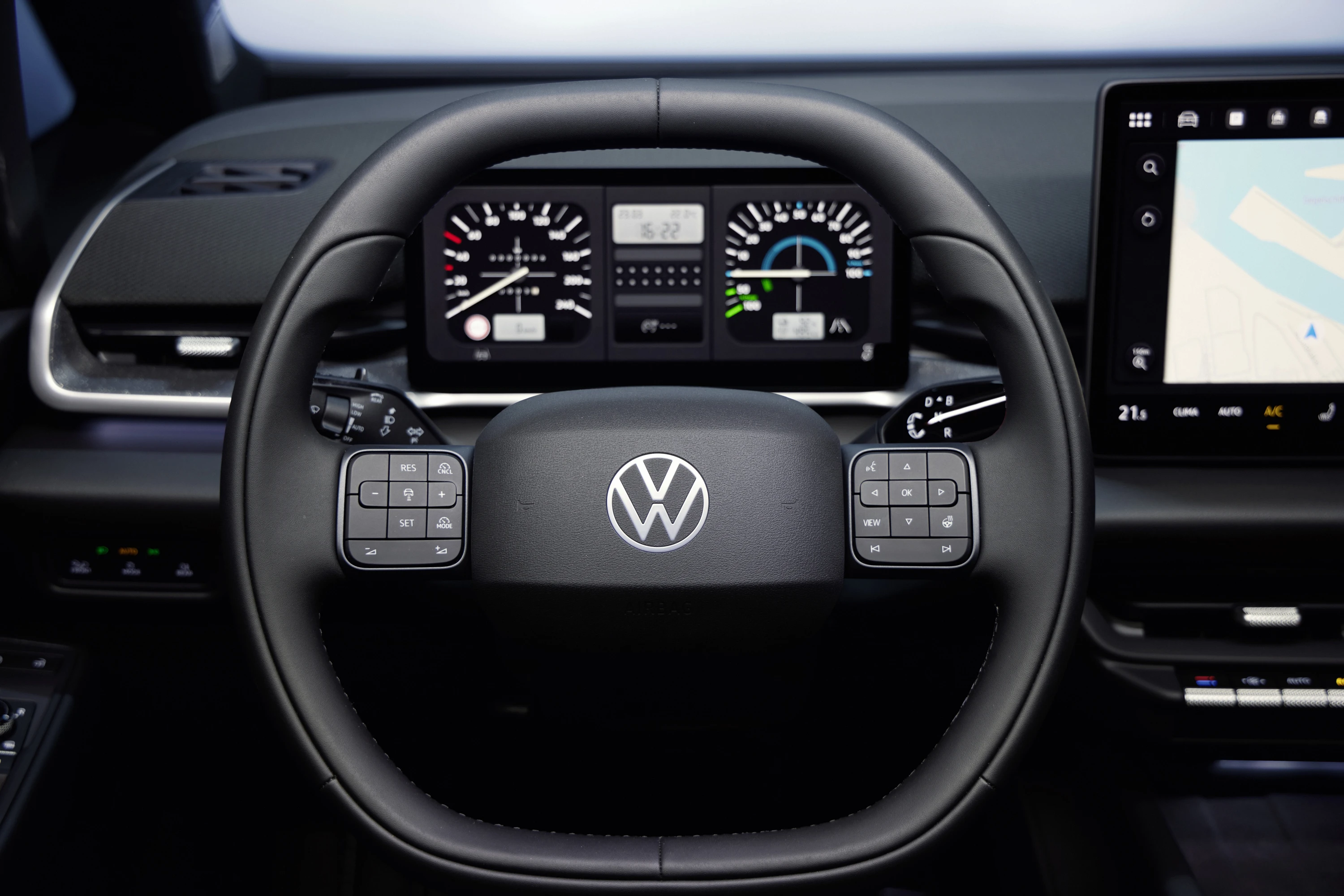
Inside, the cockpit is new. Volkswagen has moved away from the original ID.3's capacitive sliders and touch controls to physical buttons laid out horizontally across the dashboard. The steering wheel is also new, with a flattened top and bottom and structured button panels.
Three trim levels are confirmed — Trend, Life, and Style — though Volkswagen has not yet detailed how equipment is split between them.
Battery and drivetrain
Three battery and motor combinations are offered, split across two chemistries:
- 50 kWh (net, LFP) with a 125 kW (170 PS) motor — provisional WLTP range around 417 km
- 58 kWh (net, LFP) with a 140 kW (190 PS) motor — provisional WLTP range around 494 km
- 79 kWh (net, NMC) with a 170 kW (231 PS) motor — WLTP range up to 630 km
Official WLTP figures for the two smaller packs are still subject to homologation. Volkswagen lists a single motor per version. The press release does not explicitly state the drive layout, but a single motor on MEB has consistently meant rear-wheel drive, so that is the most likely configuration.
The 50 and 58 kWh packs charge at up to 105 kW DC. The 79 kWh pack raises that to 183 kW, a modest step up from the 175 kW peak of today's ID.3 Pro S. AC charging is rated at up to 11 kW on all variants. WLTP range on the largest pack reaches up to 630 km — a real jump over the roughly 553 km quoted for the current Pro S.
One-pedal driving with regen to standstill is now part of the package, and the car can act as a power source up to 3.6 kW through its vehicle-to-load function.
Performance and dimensions
Across the three variants, Volkswagen and German press quote 0–100 km/h times between 5.7 and 9.6 seconds, with top speeds ranging from 160 to 200 km/h. Per-variant figures have not yet been broken down by trim.
The ID.3 Neo measures 4,287 mm long, 1,809 mm wide, and 1,554 mm tall, on a 2,764 mm wheelbase. Boot capacity is 385 litres with the rear seats up and 1,267 litres with them folded. Curb weight has not been published.
Interior technology
Volkswagen's new "Innovision" setup pairs a 10.25-inch digital cockpit with a 12.9-inch central display. An integrated app store covers audio and video streaming, parking, charging, and games. Optional kit includes an augmented reality head-up display, a panoramic sunroof, Harman Kardon audio, and massage and memory functions for the front seats. A removable bracket for a bike carrier with a 75 kg load rating is also listed.
Driver assistance
Lane Assist, Front Assist, and a turning brake function are standard. Connected Travel Assist with automatic traffic light recognition, 360-degree Area View, and Park Assist Pro with memory are on the options list. Volkswagen has not broken down how these features are distributed across the trim levels.
Launch timing and pricing
The world premiere was on April 15, 2026. Pre-sales opened the following day in Germany and several other European markets, with first deliveries planned for July 2026.
German pricing starts at €33,995 (incl. VAT) for the Trend trim with the 50 kWh battery. The 79 kWh top-spec Style lands at €47,595, with the Life and Style trims each available with all three battery sizes:
| Trim | 50 kWh | 58 kWh | 79 kWh |
|---|---|---|---|
| Trend | €33,995 | — | — |
| Life | €36,225 | €39,195 | €44,995 |
| Style | €38,895 | €41,875 | €47,595 |
For reference, the outgoing ID.3 started at €33,300 in Germany, so the base price climbs only €695 despite the bigger battery and redesigned interior. Prices for other European markets have not yet been announced.
What is still unknown
A few details are still missing from the launch material:
- No pricing for markets outside Germany
- No curb weight
- No per-variant breakdown of 0–100 km/h times and top speeds
- No confirmation of whether the Neo uses an updated MEB+ platform or a revised version of the existing MEB architecture
- No mention of a GTX or performance version. The current ID.3 GTX and GTX Performance are not part of today's announcement, and Volkswagen has not said how they will be replaced.
Why it matters
The ID.3 was the first model built on Volkswagen's MEB platform and the car the company used to restart itself as an EV maker. The Neo is the most substantial rework since the original 2019 debut. A bigger top-end battery, faster DC charging on the 79 kWh pack, and the return to physical controls address the three criticisms most often aimed at the original ID.3: range, charging speed, and interior usability.
This article will be updated as more details are released.
More information
Volkswagen
Explore all Volkswagen electric vehicles with detailed specs, photos, and reviews.
View Volkswagen EVs