
Range Rover Electric: What do we know
The Range Rover Electric is JLR's first full-size luxury EV, built alongside the combustion Range Rover in Solihull and using a heavily reworked version of the same MLA architecture. After multiple delays, deliveries are now targeted for 2026, with more than 62,000 customers already on the reservation waiting list.
What has been confirmed
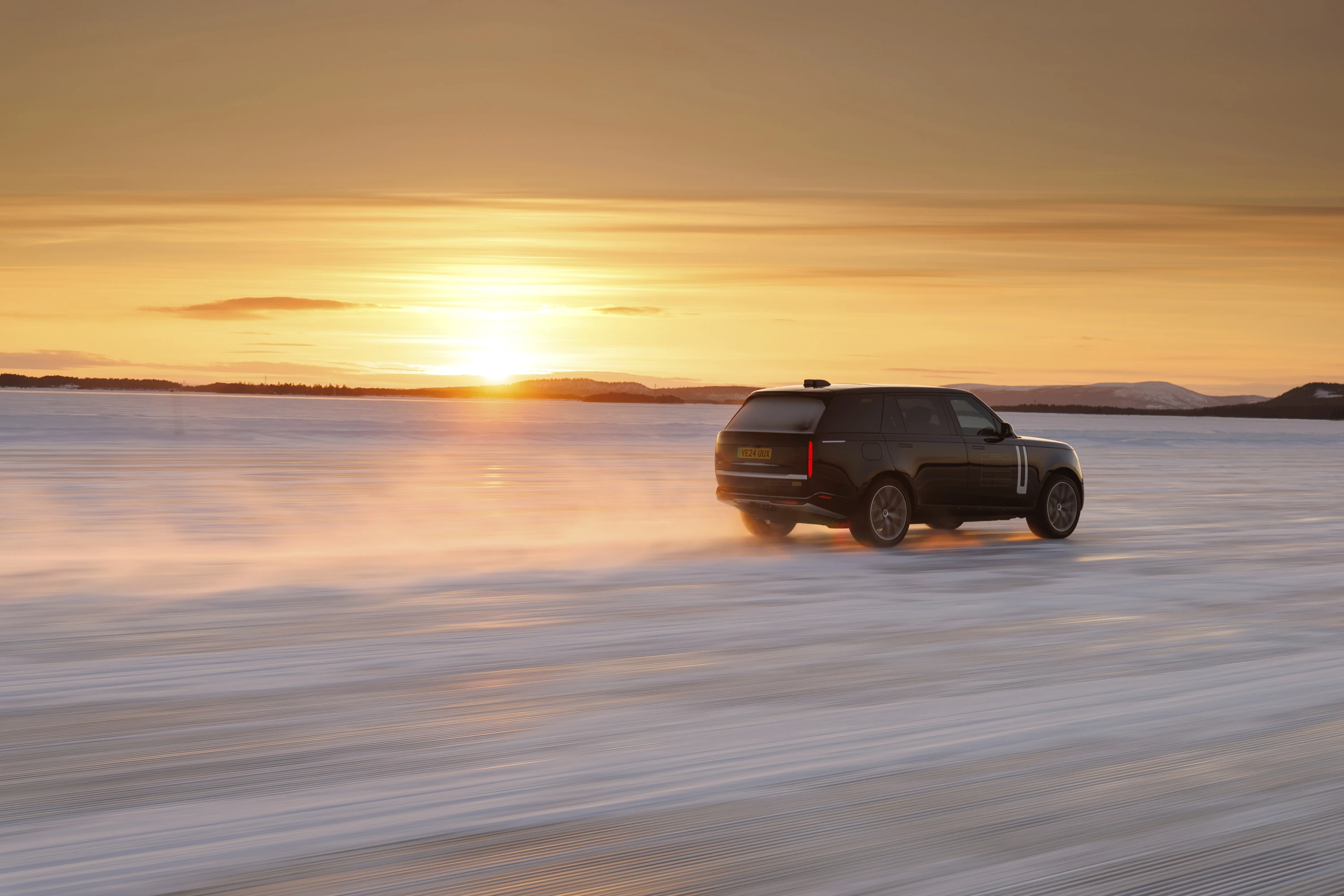
JLR has released a fairly consistent set of hard facts, mostly through its Solihull prototype programme, its Arjeplog winter testing press releases, and first drives in camouflaged development cars.
Confirmed points:
- A 117 kWh battery built by JLR itself, using 344 prismatic cells in a double-stacked, cell-to-pack layout.
- An 800 V system architecture — JLR's first in-house high-voltage pack.
- A dual-motor all-wheel-drive layout with permanent-magnet motors and silicon-carbide inverters designed in-house. JLR claims the new Electric Drive Unit produces 20 per cent more torque and is 24 per cent more efficient than its previous EDU generation.
- ThermAssist thermal management, which JLR says reduces heating energy use by up to 40 per cent and can scavenge waste heat down to −10 °C.
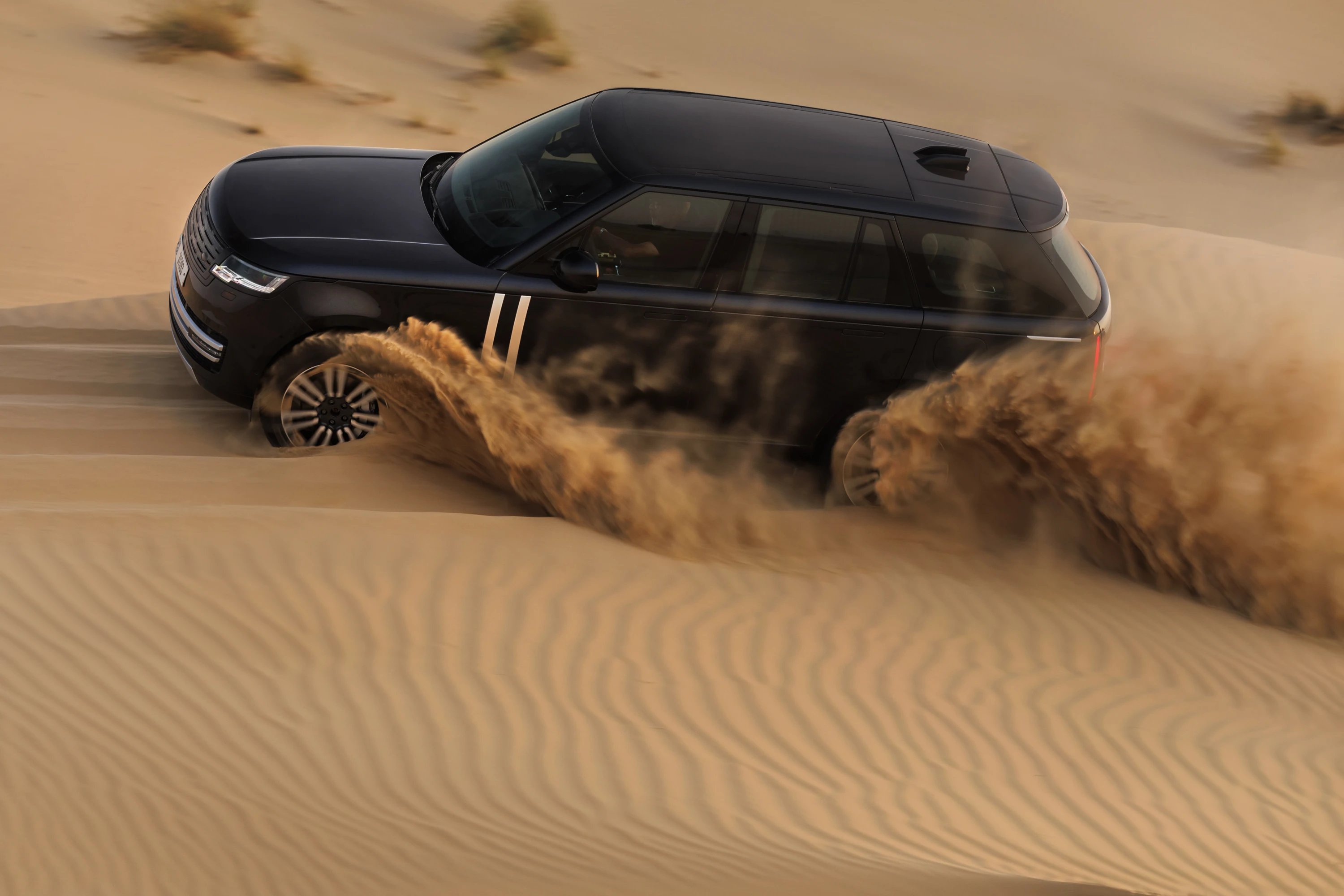
- Switchable twin-chamber air suspension carried over from the combustion Range Rover, plus Terrain Response, Hill Hold and the brand's off-road hardware set.
- Single-pedal driving integrated with Hill Hold and Terrain Response, validated on 28° and 17° split-mu inclines.
- Intelligent Driveline Dynamics that can shift rear-motor torque between 0 and 100 per cent, with slip control reacting in around one millisecond.
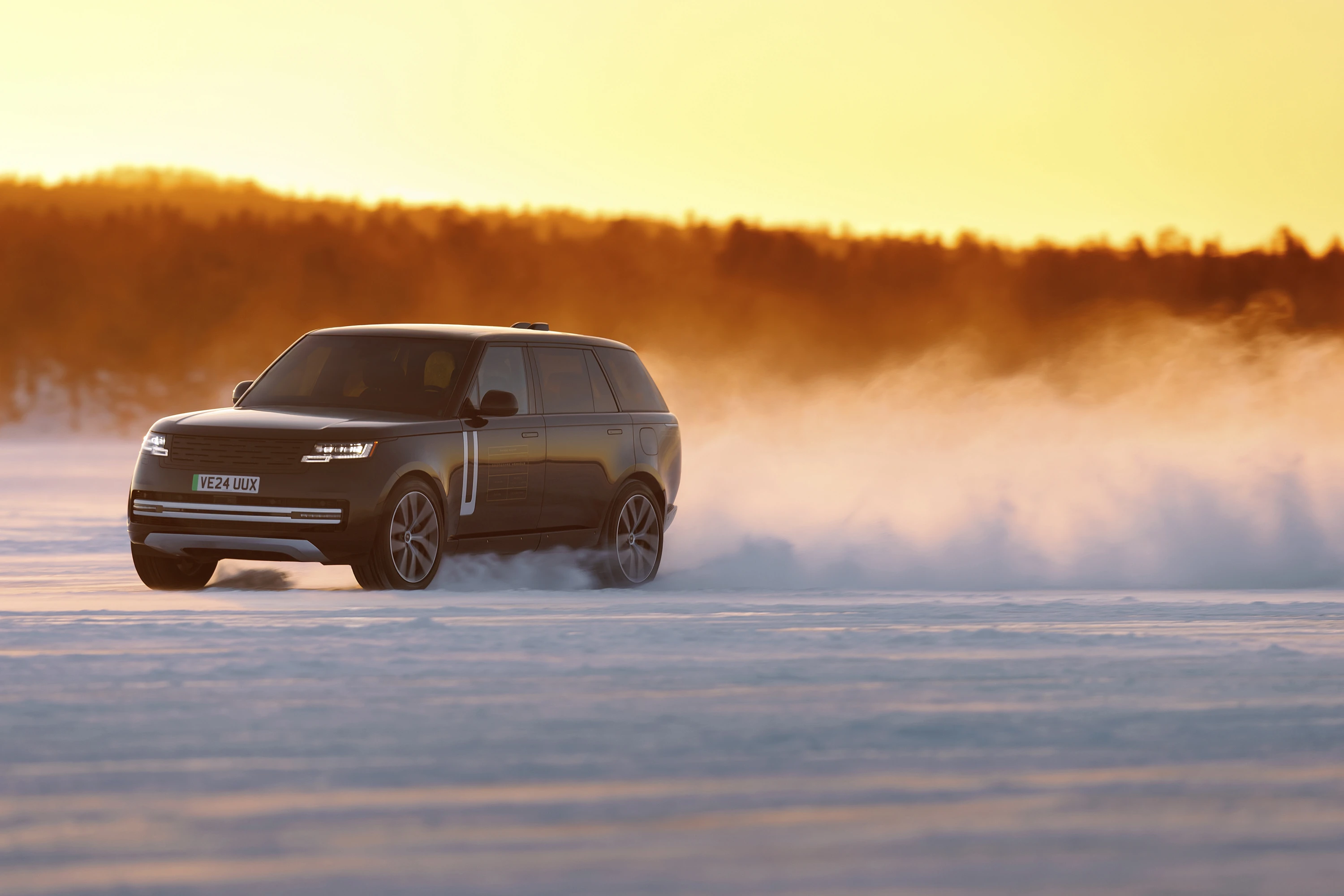
- Prototypes have completed two full Arctic winter test cycles, with roughly 45,000 miles accumulated in the most recent one.
Battery and drive units are built at JLR's new Electric Propulsion Manufacturing Centre in Wolverhampton. Final assembly is in Solihull.
Platform and size
The Range Rover Electric is not a ground-up EV on a dedicated skateboard. It uses a reworked version of the MLA architecture that underpins the current combustion Range Rover, adapted for an 800 V battery and two-motor powertrain. That choice shapes most of what follows: the body, footprint, suspension layout and cabin packaging are expected to line up closely with the existing SWB and LWB Range Rover, rather than open up a new interior format.
This keeps the car firmly positioned as the top of the Range Rover lineup, sold alongside the ICE, mild-hybrid and plug-in hybrid versions rather than replacing any of them. JLR has stated the Electric will be built on the same production line as the combustion cars.
Official dimensions for the EV have not been published separately, so until spec sheets appear it is reasonable to assume the vehicle mirrors the current Range Rover body closely. Curb weight is almost certainly higher than the PHEV, given the 117 kWh pack, but JLR has not disclosed a figure.
Battery, charging and drivetrain
The 117 kWh figure is confirmed, but JLR has not yet clarified whether that number is gross or usable. 344 prismatic cells stacked in a double layer point to a purpose-built format optimised for packaging under the Range Rover's relatively high floor, rather than a repackaged off-the-shelf module design.
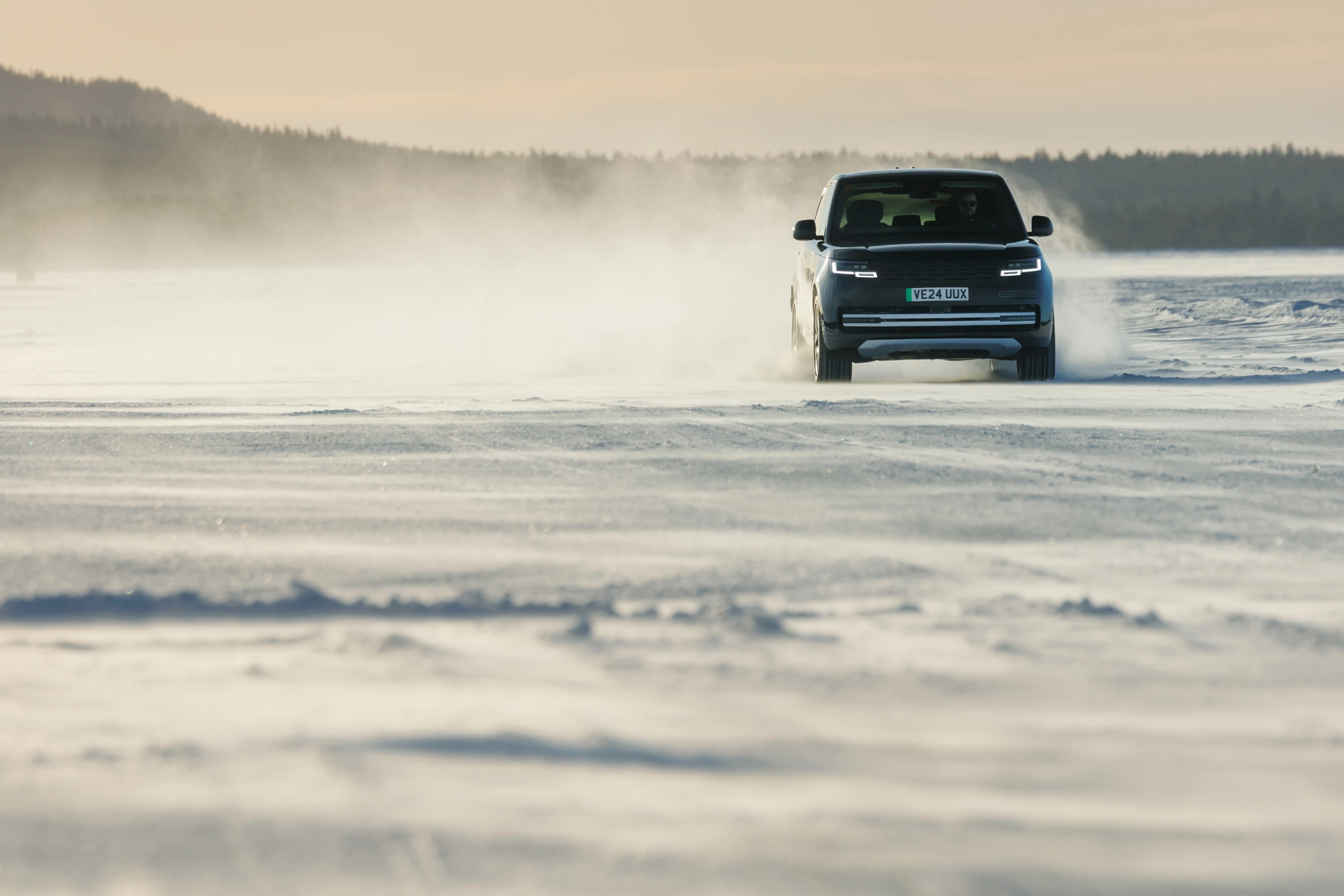
The 800 V architecture implies DC fast-charging well above the 150–200 kW band typical of 400 V luxury SUVs. Reviewers who have driven development cars have reported capability up to 350 kW, with a 10–80 per cent target around 20 minutes. JLR itself has not yet confirmed a peak DC number or a full charging curve.
Range figures are currently the weakest area of the official communication. JLR has described target use cases but not published a WLTP or EPA number. Early reported estimates from prototype drives put the car in the 330-mile WLTP / roughly 270-mile EPA zone, but those come from reviewers, not from homologation.
System power has also not been officially quoted. Reports from early drives point to around 542 hp and 627 lb-ft combined, which would align with a dual-motor setup sized to deliver V8-equivalent performance in JLR's stated target. Treat those numbers as strong indications rather than homologated specs.
Interior and technology
JLR has not released production interior photography or a full infotainment specification. Development cars shown in first-drive coverage have used a cabin visually close to the current Range Rover, including the curved infotainment display and the twin-zone rear console. The brand has said the EV will keep the existing Range Rover's cabin character, rather than introduce a radically different layout.
ADAS, driver assistance and software stacks have not been detailed. The combustion car's existing suite — adaptive cruise, lane assist, 3D surround cameras, rear-wheel steering — is expected to carry over, but that is inference rather than a confirmed feature list.
Practical points that matter for buyers, such as frunk availability, exact cargo volumes, seating options and whether a long-wheelbase variant is part of the initial lineup, are still open.
Launch timing and expected pricing
JLR originally guided toward a 2025 introduction, then publicly pushed the Range Rover Electric into 2026. The current expectation is first deliveries in 2026, with paid reservations being opened to waiting-list customers during the preceding months.
The waiting list itself is telling. JLR has repeatedly given updated figures during earnings calls — 57,000, then 62,000, with more recent reporting above that. Customers interested in the car have had to register without any published pricing, which is unusual at this stage of a luxury EV launch.
Pricing has not been officially disclosed. Early reporting points to a starting figure near £150,000 in the UK, with higher trims potentially reaching £170,000 or more. JLR has not confirmed these numbers, and the US price structure has not been communicated.
What is still unknown
- Official WLTP and EPA range figures.
- Confirmed total system power, torque and 0–100 km/h.
- Peak DC charging speed and the full charging curve.
- Curb weight, towing rating and exact body dimensions.
- Official pricing and trim lineup in any market.
- Whether a long-wheelbase variant is part of the initial launch.
- Production interior photography and final software/infotainment details.
This article will be updated as more details are released.