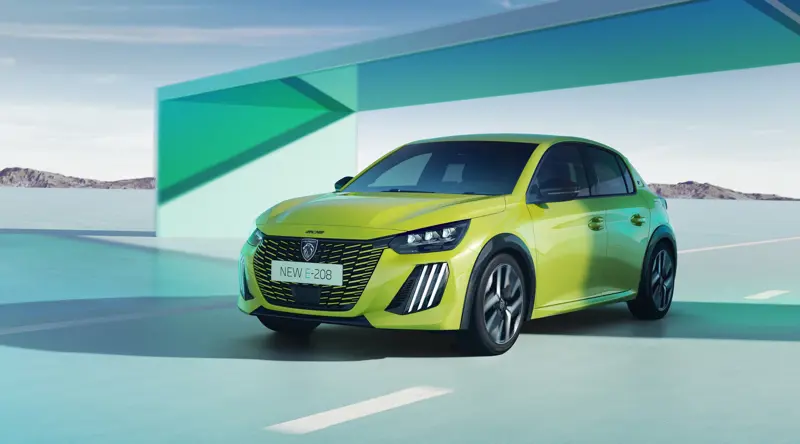
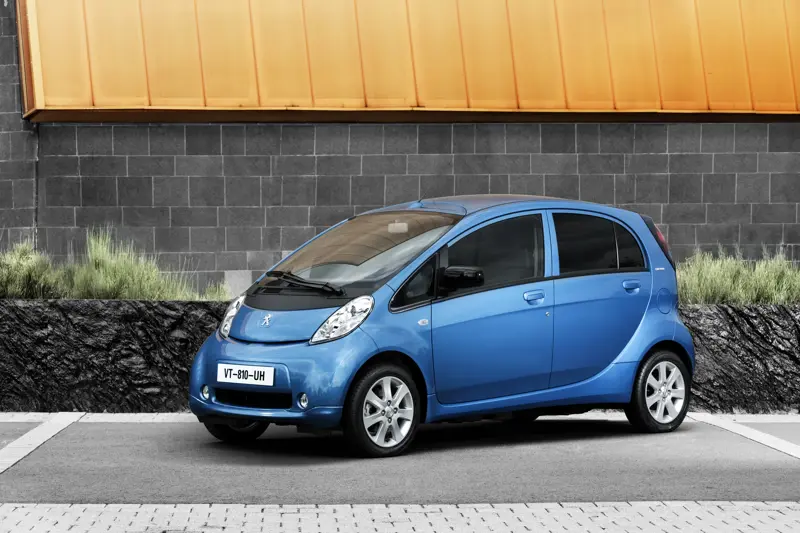
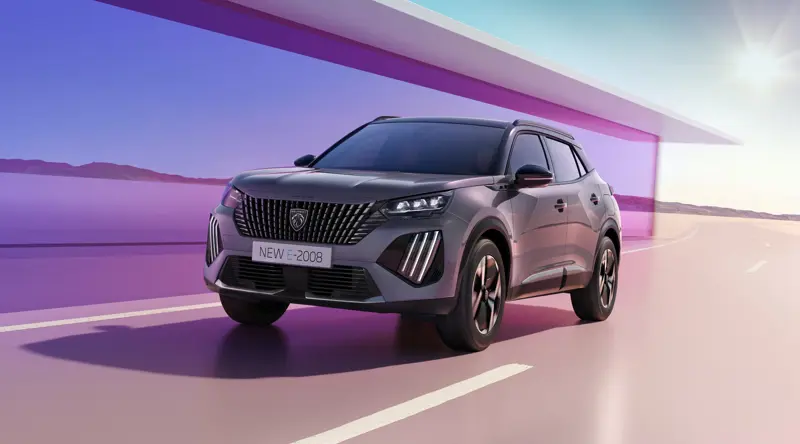
Peugeot's electric vehicle strategy is deeply integrated into the broader Stellantis electrification roadmap, with the brand leveraging the group's dedicated EV platforms to deliver compelling battery-electric models across multiple segments. The E-208 supermini and E-2008 compact crossover, built on the eCMP platform, established Peugeot's EV credentials as accessible and stylish urban electric cars with competitive range figures.
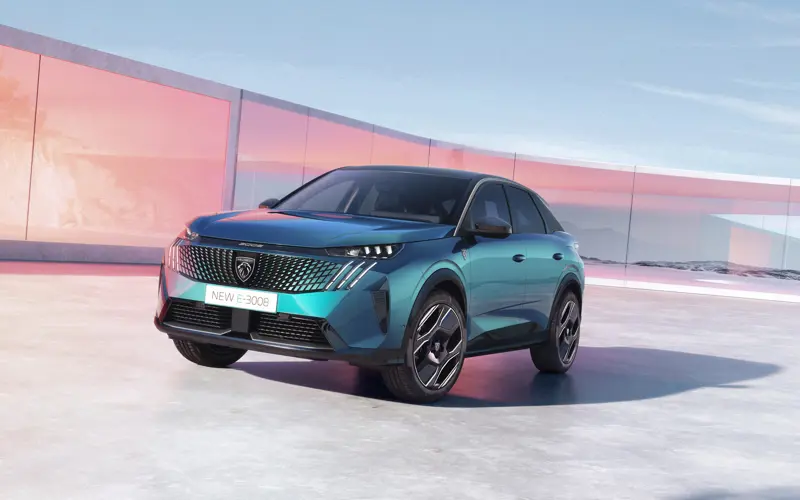
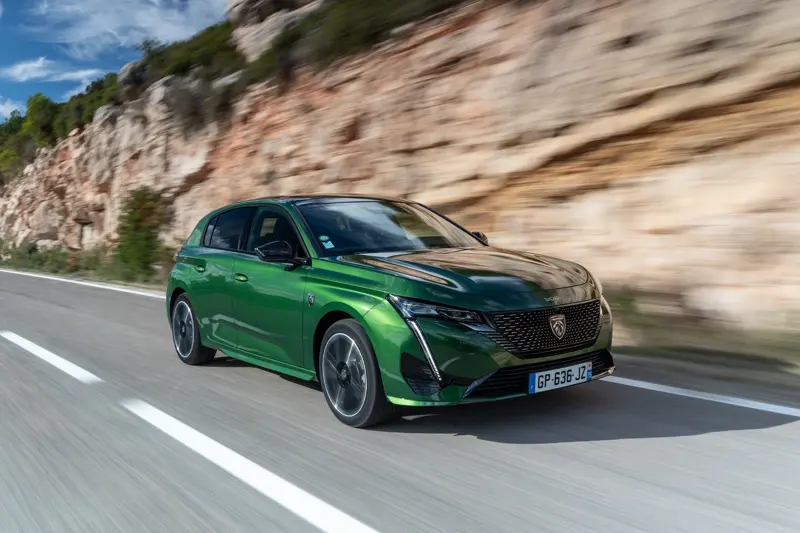
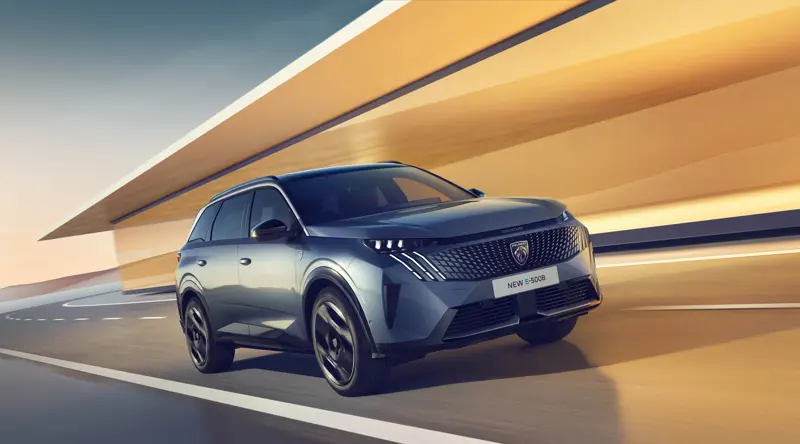
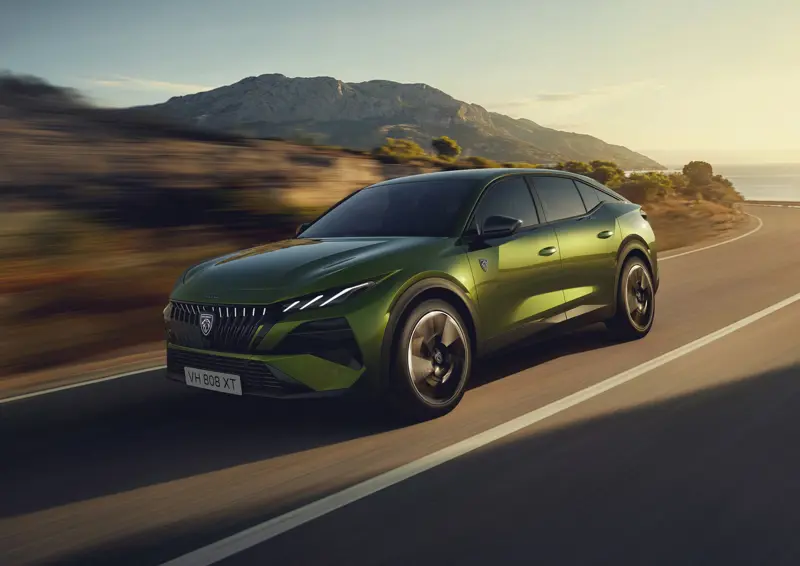
The launch of the E-3008 in 2024 marked a major step forward, as it was the first vehicle to ride on the new STLA Medium platform, offering up to 700 km of range in its long-range variant and featuring a bold fastback SUV design that redefined the segment. The E-5008, a seven-seat electric SUV on the same platform, followed shortly after, giving families a practical and spacious EV option. The E-308 hatchback and E-308 SW estate round out the lineup, with the latter being one of the first fully electric estate cars from a European manufacturer.
Peugeot's design philosophy, centered around the i-Cockpit interior concept with its compact steering wheel and high-mounted digital displays, carries over seamlessly into its electric models. The brand emphasizes that going electric should not mean compromising on style, driving pleasure, or practicality. Peugeot has also committed to making EVs more affordable, with competitive pricing strategies aimed at accelerating mass-market adoption across Europe.
As part of the Stellantis group's broader ambitions, Peugeot benefits from shared battery technology development, including next-generation solid-state batteries planned for later this decade. The brand aims to sell only battery-electric vehicles in Europe from 2030 onward, while continuing to offer hybrid and combustion options in other global markets during the transition period.
Peugeot has currently {0} all electric models with a total of {1} variants in the market. Below you find links for each model page.
 1 variant