
SAE Levels of Driving Automation: What Each Level Means
SAE J3016 classifies a driving-automation feature by the roles of the human and the system, not by how polished it feels, how much hardware the vehicle carries or whether the driver can remove their hands from the wheel. The six levels answer who performs the dynamic driving task, who monitors the environment and who provides fallback when the feature cannot continue.
First, define the driving task
The dynamic driving task includes steering, acceleration, braking, monitoring the road, recognizing objects and events, and responding to them. Route selection and trip planning are outside that definition.
The level belongs to a feature, not permanently to a vehicle. One car can have several Level 0 and Level 1 safety functions, a Level 2 highway assistant and, in a limited market, a separate Level 3 feature.
Warnings and momentary interventions such as forward-collision warning or automatic emergency braking are not sustained driving automation under SAE J3016. They may be safety-critical, but they do not change who is driving.
Levels 0–2: the human drives
Level 0 — no driving automation
The human performs the complete driving task. A feature may warn, support or intervene momentarily, but it does not continuously control the vehicle.
Examples include blind-spot warning, lane-departure warning and automatic emergency braking.
Level 1 — driver assistance
The feature continuously supports either lateral control or longitudinal control: steering, or acceleration and braking. The human performs the rest of the task and supervises the feature.
Adaptive cruise control is a typical longitudinal example. Lane centering without simultaneous speed control is a lateral example.
Level 2 — partial driving automation
The feature continuously performs both lateral and longitudinal control. It can steer and manage speed together, but the human still performs object-and-event detection and response.
That means continuous supervision. The driver must watch the road, understand whether the feature is behaving correctly and intervene as needed. A camera-based driver-monitoring system can enforce attention, but it does not transfer the driving role to the vehicle.
Some Level 2 systems require hands on the wheel; others allow hands-free use on designated roads. Both remain Level 2 if the human must monitor the road.
Levels 3–5: an automated driving system drives
Level 3 — conditional driving automation
Within its operational design domain, the automated driving system performs the complete dynamic driving task. The human does not need to monitor the road continuously while the feature is engaged.
The system can issue a request to intervene when it is approaching a condition it cannot handle. A fallback-ready user must be receptive to that request and take over in a timely way. The system also needs a risk-reduction response if the user does not respond.
Level 3 is therefore not simply “better Level 2.” The human role changes from continuous supervisor to fallback-ready user.
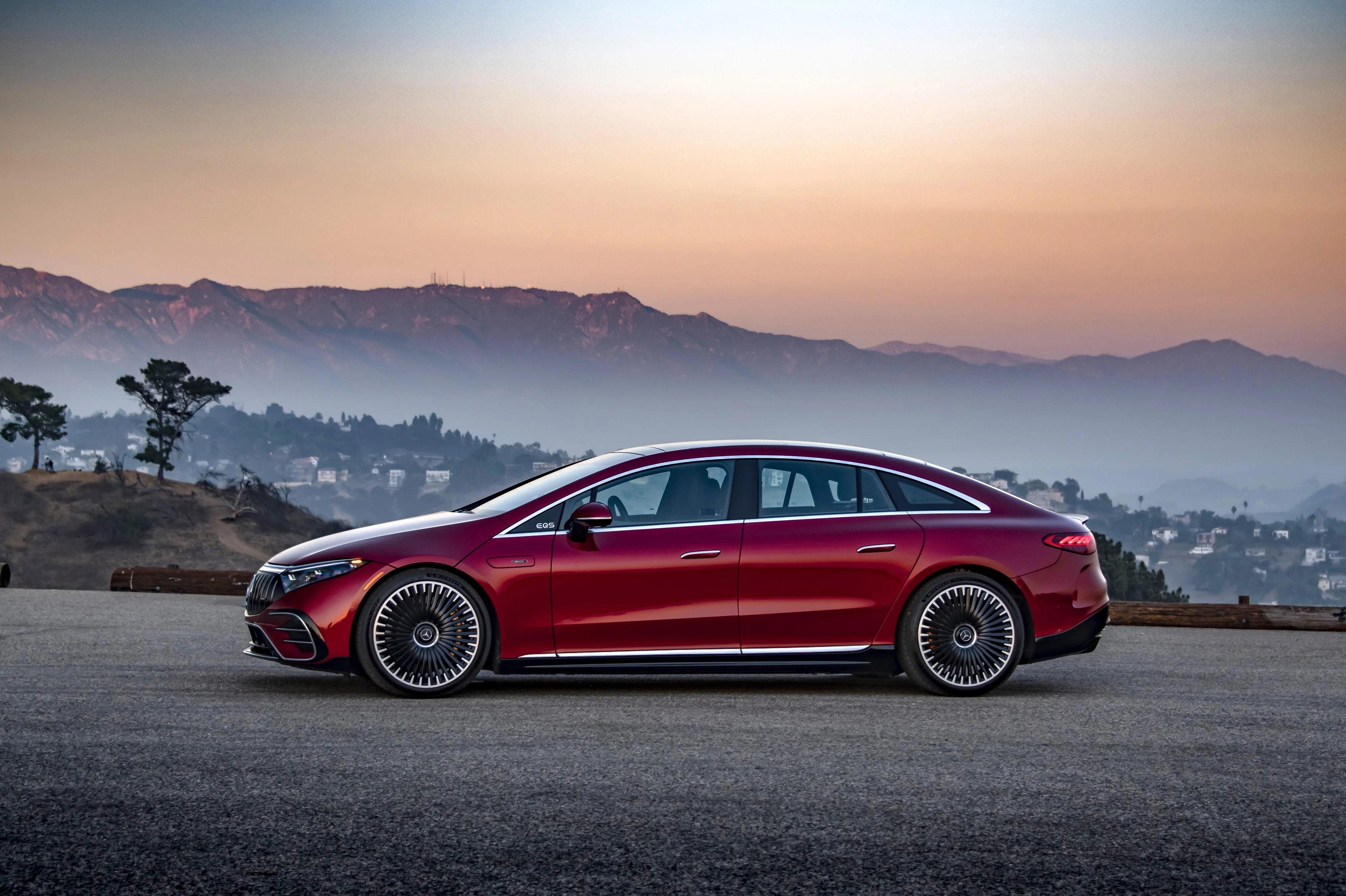
Level 4 — high driving automation
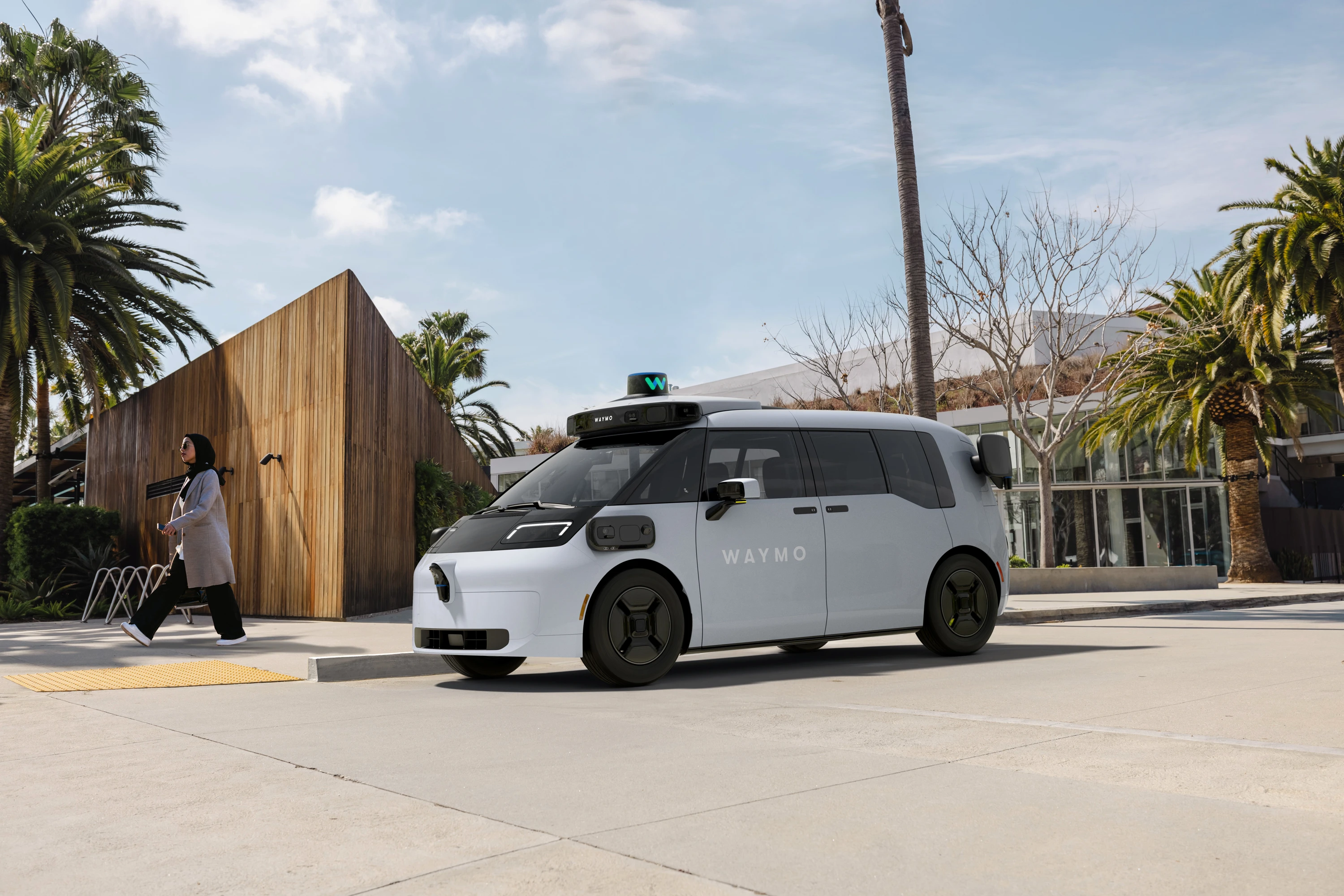
The automated driving system performs both the complete driving task and the fallback within its operational design domain. It cannot depend on a human to rescue it.
The domain may be a mapped urban service area, a fixed shuttle route, selected motorways or an approved parking facility. When the feature is active, every occupant can be a passenger. If the system cannot continue normally, it must achieve a minimal-risk condition itself.
Level 5 — full driving automation
Level 5 performs the complete driving task and fallback without an operational-design-domain restriction. In SAE terms, it can operate under all on-road conditions that a competent human driver could manage.
No Level 5 system is in public commercial service or available in a production vehicle. Removing the domain restriction is a much harder claim than expanding a Level 4 service to more places.
The boundary that matters
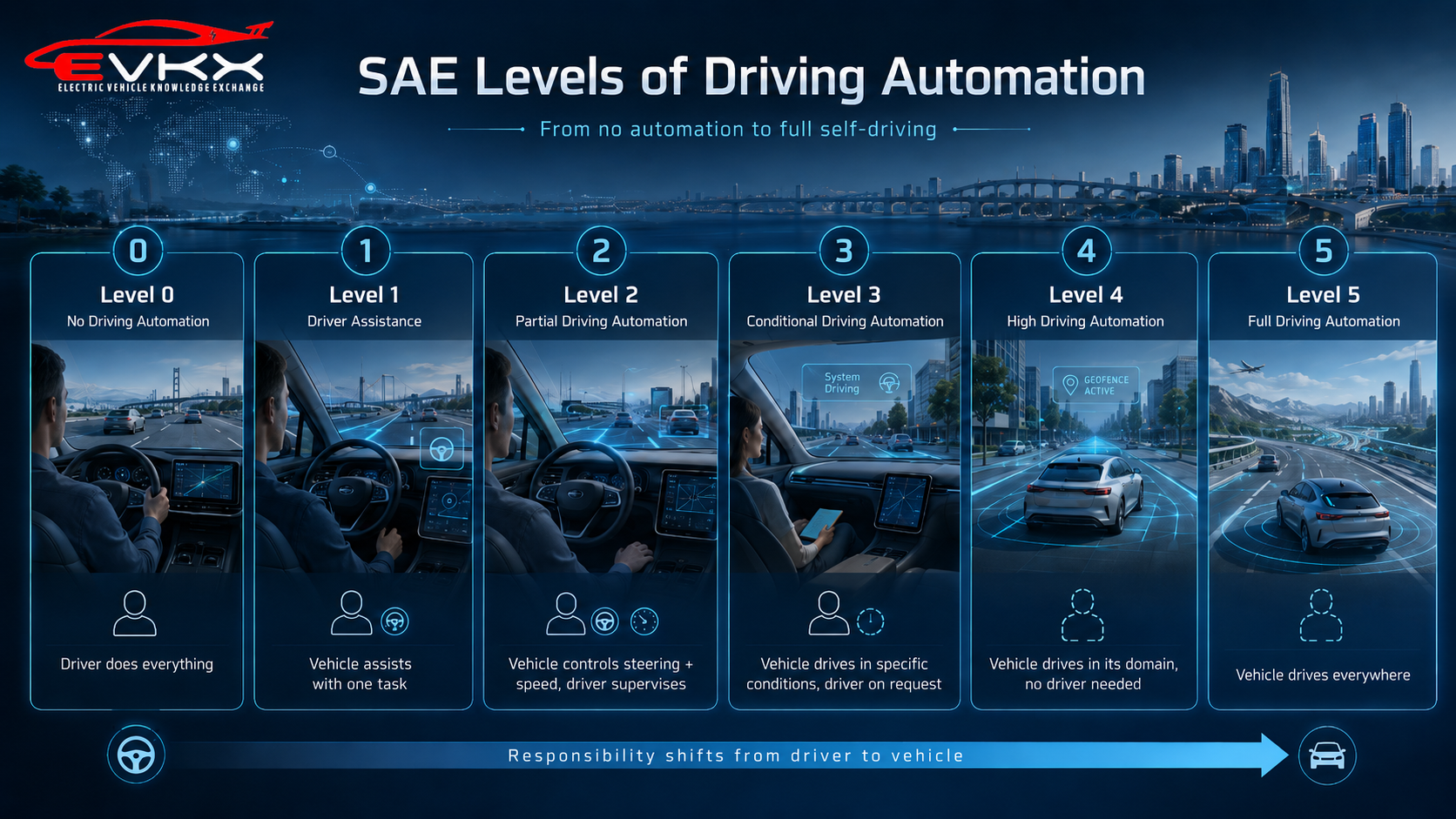
Levels 0–2 are driver support: the human drives and monitors the environment. Levels 3–5 are automated driving: the system performs the complete driving task while engaged.
Level 3 and Level 4 are separated by fallback. Level 3 expects a fallback-ready user to respond to a request; Level 4 must manage fallback without one.
The level does not tell you the size of the operating domain. A widely usable Level 2 assistant may work on more roads than a Level 3 feature. A Level 4 robotaxi may be driverless in one city district yet unavailable on a road just outside its service area.
What the levels do not decide
SAE J3016 is a technical taxonomy. It does not:
- declare a system safe;
- approve it for a country or road;
- assign legal liability after a crash;
- measure driver comfort or convenience;
- guarantee that two features at the same level have equal capability; or
- turn a prototype demonstration into a production feature.
For buyers, the level is only the first filter. The operating domain, driver-monitoring design, fallback behavior, market approval, subscription terms and evidence of safe performance matter just as much.