
Structural Safety Systems
Structural safety systems protect occupants by managing crash forces, preserving survival space, and shielding the battery pack in an electric vehicle.
Last modified: Mar 06, 2026Electric vehicles (EVs) rely on advanced structural safety systems to absorb crash energy, preserve the passenger compartment, and protect the high-voltage battery pack. These systems form the foundation of passive safety, working alongside airbags and seat belts to prevent injuries during a collision. Modern EVs use a combination of high-strength materials, engineered crumple zones, and rigid safety cells to manage impact forces effectively.
This chapter explains how structural safety systems work, how they differ between EVs and internal-combustion vehicles, and how the technology has evolved over the last three decades.
What Are Structural Safety Systems?
Structural safety systems are the engineered components of the vehicle body designed to control how the structure behaves in a collision. Their purpose is threefold:
- Absorb energy during a crash through controlled deformation.
- Maintain a stable safety cell where occupants are protected.
- Direct crash loads away from critical components such as the battery pack.
Key elements include:
Crumple Zones
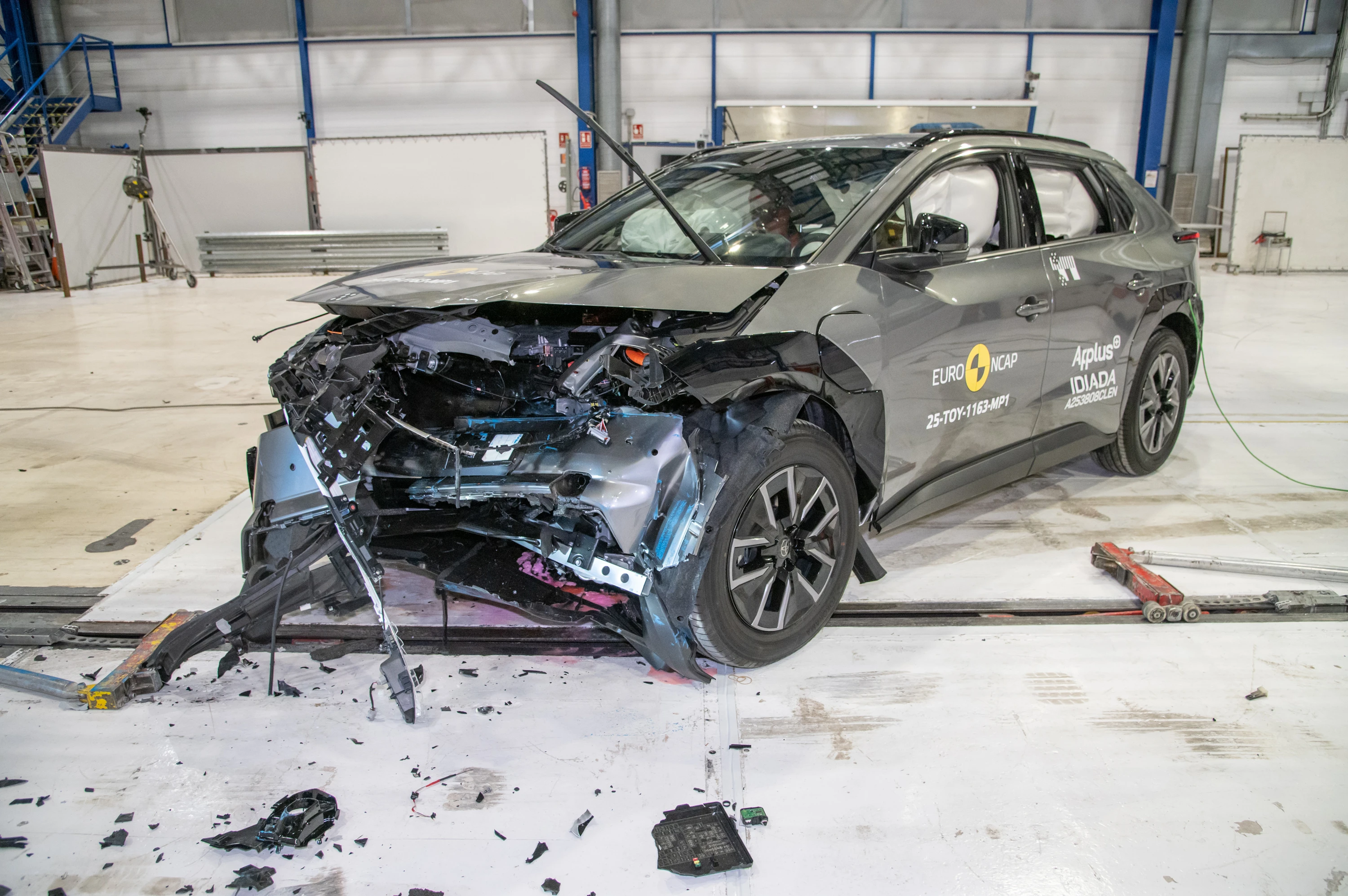
Front and rear sections engineered to deform in a predictable way. By collapsing in stages, they slow down the crash pulse and reduce forces on passengers.
Passenger Safety Cell
A rigid, reinforced compartment that remains intact during a crash. High-strength steel, boron reinforcements, and closed-section pillars are used to protect occupant survival space.
Side-Impact Structures
Side beams, door reinforcements, and floor cross-members that prevent intrusion during lateral crashes—one of the most challenging accident types.
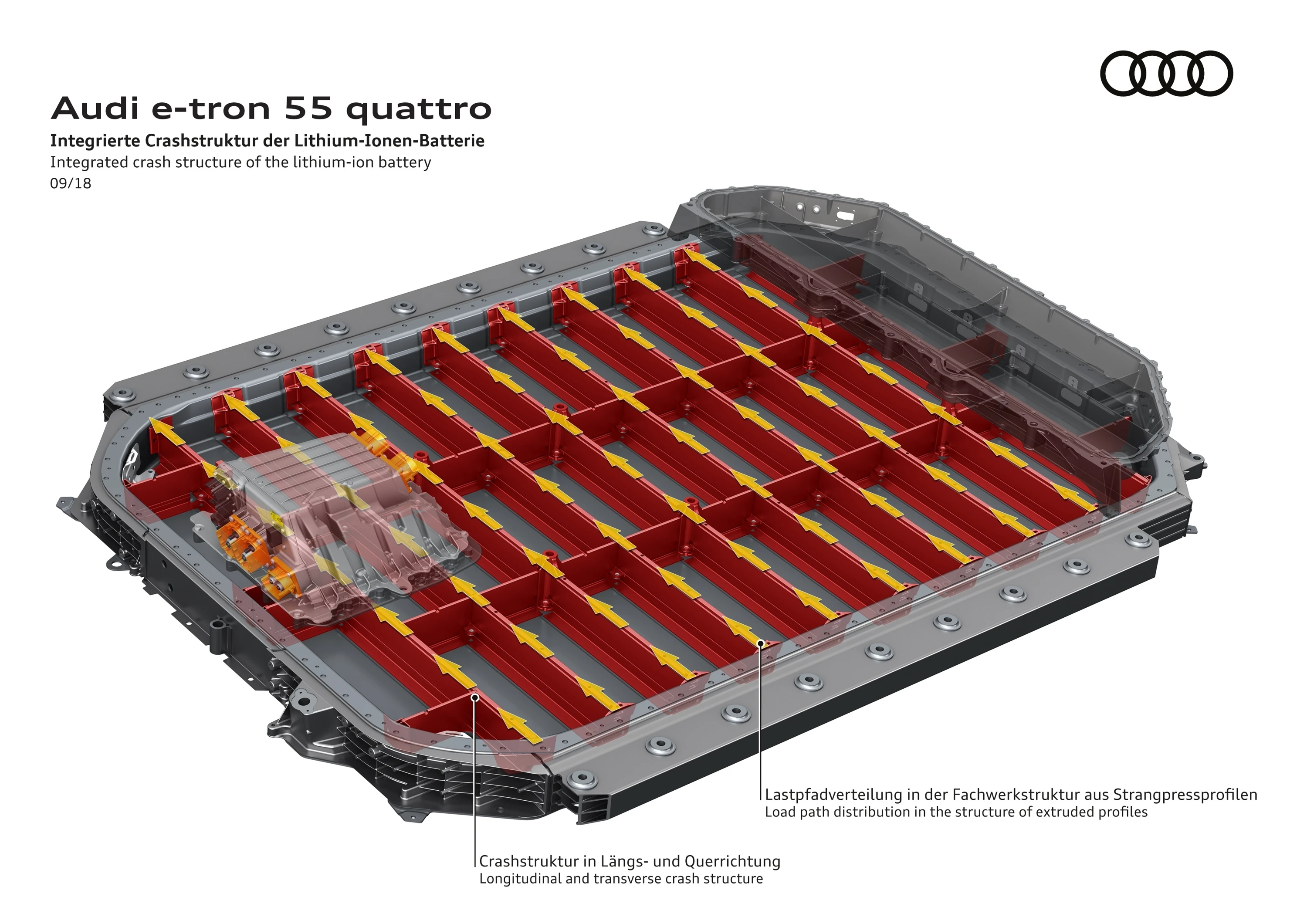
Battery Protection Structure
Unique to EVs, this includes:
- Rigid frames around the battery pack
- Crash-resistant enclosures
- Load paths that route forces around—not into—the battery
Load Path Engineering
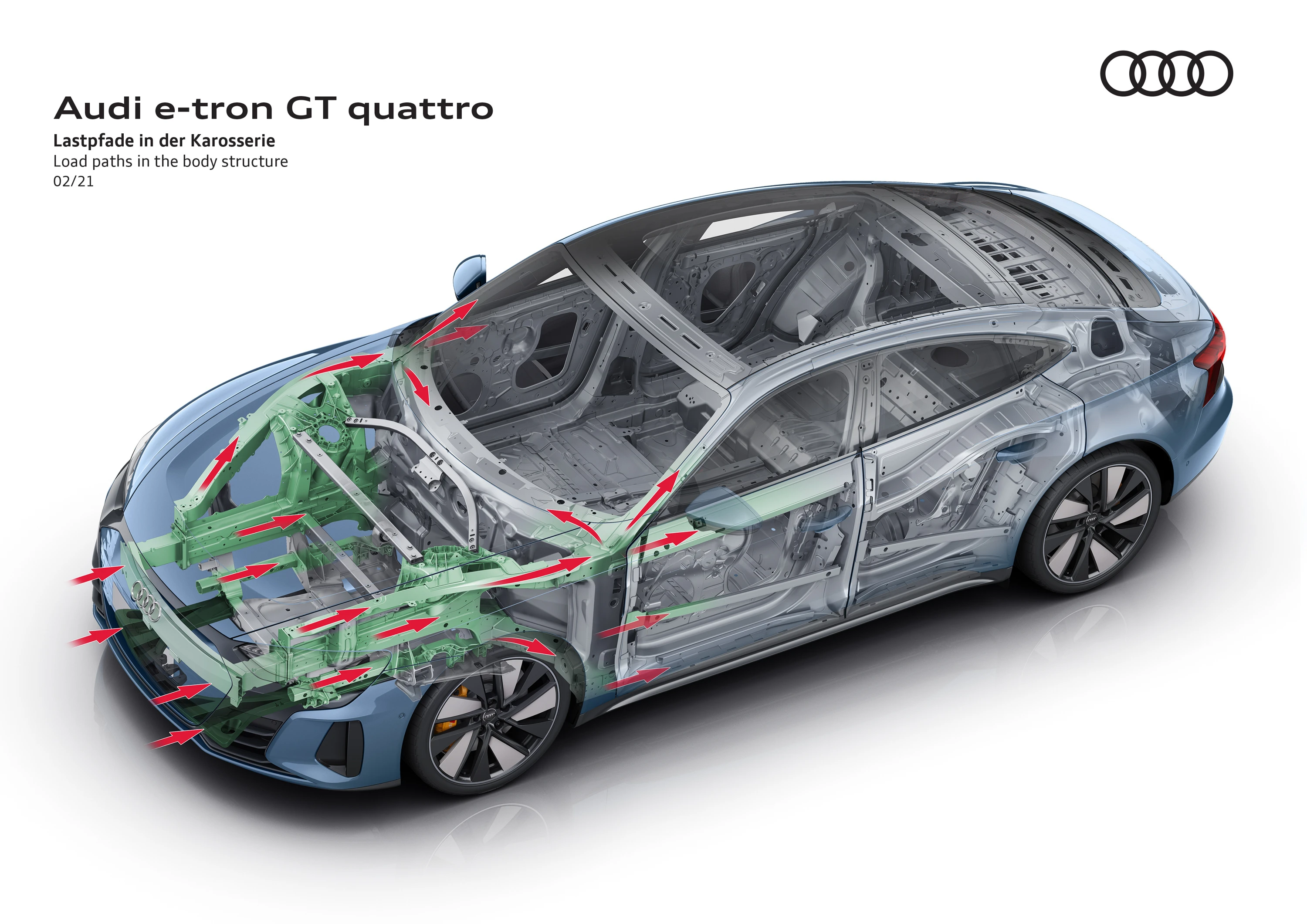
The strategic routing of crash forces through the strongest parts of the body to ensure energy is distributed rather than concentrated. This helps the structure deform in a controlled and predictable way.
Why Structural Safety Systems Matter
Structural safety systems can often determine the difference between minor and life-threatening injuries. They matter because:
- They reduce peak forces on the body, lowering the risk of serious injury.
- They prevent cabin intrusion, which is critical for occupant survival.
- They protect the battery, minimizing the risk of thermal events after a crash.
- They shape crash test performance, directly influencing Euro NCAP, NHTSA, and IIHS ratings.
With modern crash testing becoming more demanding, structural performance is now one of the biggest differentiators between high- and low-performing vehicles.
How EVs Changed Structural Safety Design
Electric vehicles have fundamentally altered how engineers design vehicle structures. The battery pack is both an opportunity and a challenge.
Benefits Introduced by EV Architecture
- Strong, flat battery packs increase floor stiffness, improving overall torsional rigidity.
- Absence of a large engine opens new possibilities for longer and more effective front crumple zones.
- Lower center of gravity reduces rollover risk, allowing more optimized structures for crash energy management.
Challenges
- Battery protection is critical—intrusion must be avoided at all costs.
- Weight distribution changes load paths, requiring re-engineering of traditional crash structures.
- Underbody impacts, such as debris strikes, must be addressed with protective shields and reinforced frames.
As a result, EVs often use more aluminum, ultra-high-strength steel, and composite materials compared to ICE vehicles.
Trends in Structural Safety Systems
Structural safety is evolving rapidly as automakers address stricter testing protocols and new EV architectures.
1. Multi-Material Body Structures
Combining high-strength steel, press-hardened steel, aluminum, and composites for optimal strength-to-weight ratios.
2. Mega-castings and Large Structural Sections
Popularized by Tesla and now spreading through the industry, large cast rear and front structures:
- Reduce the number of welds and joints.
- Improve load-path consistency.
- Enhance crash predictability.
3. Battery Integration as a Structural Element
Newer EVs use cell-to-pack designs and structural battery packs that increase rigidity while reducing weight.
4. Advanced Simulation and AI-Driven Crash Modeling
Engineers use thousands of digital crash simulations to optimize structures before building prototypes.
5. Improved Side-Impact Protection
Driven by tougher IIHS and Euro NCAP tests, vehicles now use stronger door beams, raised sills, and reinforced B-pillars.
6. Focus on Repairability
Some manufacturers now design structural parts with repair sections or modular crash structures to reduce insurance costs.
Evolution Over the Last 30 Years
Structural safety has changed dramatically in three decades:
1990s
- Crumple zones were simpler and less optimized.
- Side-impact protection was minimal.
- Cabin rigidity varied widely between models.
- Structural materials were mostly mild or conventional steel.
2000s
- High-strength steels became common.
- Euro NCAP drove rapid improvements.
- Side-impact and rollover standards expanded.
- Passenger cells became significantly stronger.
2010s
- Ultra-high-strength steel and press-hardened steel became mainstream.
- EVs introduced new packaging ideas and battery protection structures.
- Crash simulations accelerated development cycles.
2020s and beyond
- Structural battery packs and mega-castings redefine vehicle architecture.
- EV-centric platforms allow more efficient crumple zones.
- Tighter crash regulations drive innovation in load-path engineering.
- Manufacturers optimize structures not only for safety but also for weight, cost, and repairability.
The videos below show testing old vs new cars to show progress of crash safety.
Does Structural Safety Really Matter?
Yes. Structural performance is one of the strongest predictors of real-world crash outcomes. Even with advanced driver-assistance systems, accidents still happen—and when they do, a strong structure is the last line of defense.
For EVs, structural safety also directly influences:
- Battery protection
- Repair costs
- Insurance ratings
- Crash test scores
- Long-term vehicle durability
A well-engineered structure can turn a severe crash into a survivable event.