
Interior cargo space
Interior cargo is usually the most energy-efficient place to carry a load, but quoted luggage volume alone does not reveal what will fit or how much mass the vehicle can accept. Shape, measurement method, payload, axle limits and restraint points all matter.

How cargo space is measured
Cargo volume is useful only when the measurement method and seating configuration are clear. ISO 3832 defines a reference-volume method for passenger-car luggage compartments, while SAE J1100 defines standardized vehicle dimensions and procedures. Manufacturer figures may instead use regional standards, proprietary simulations or physical measurements.
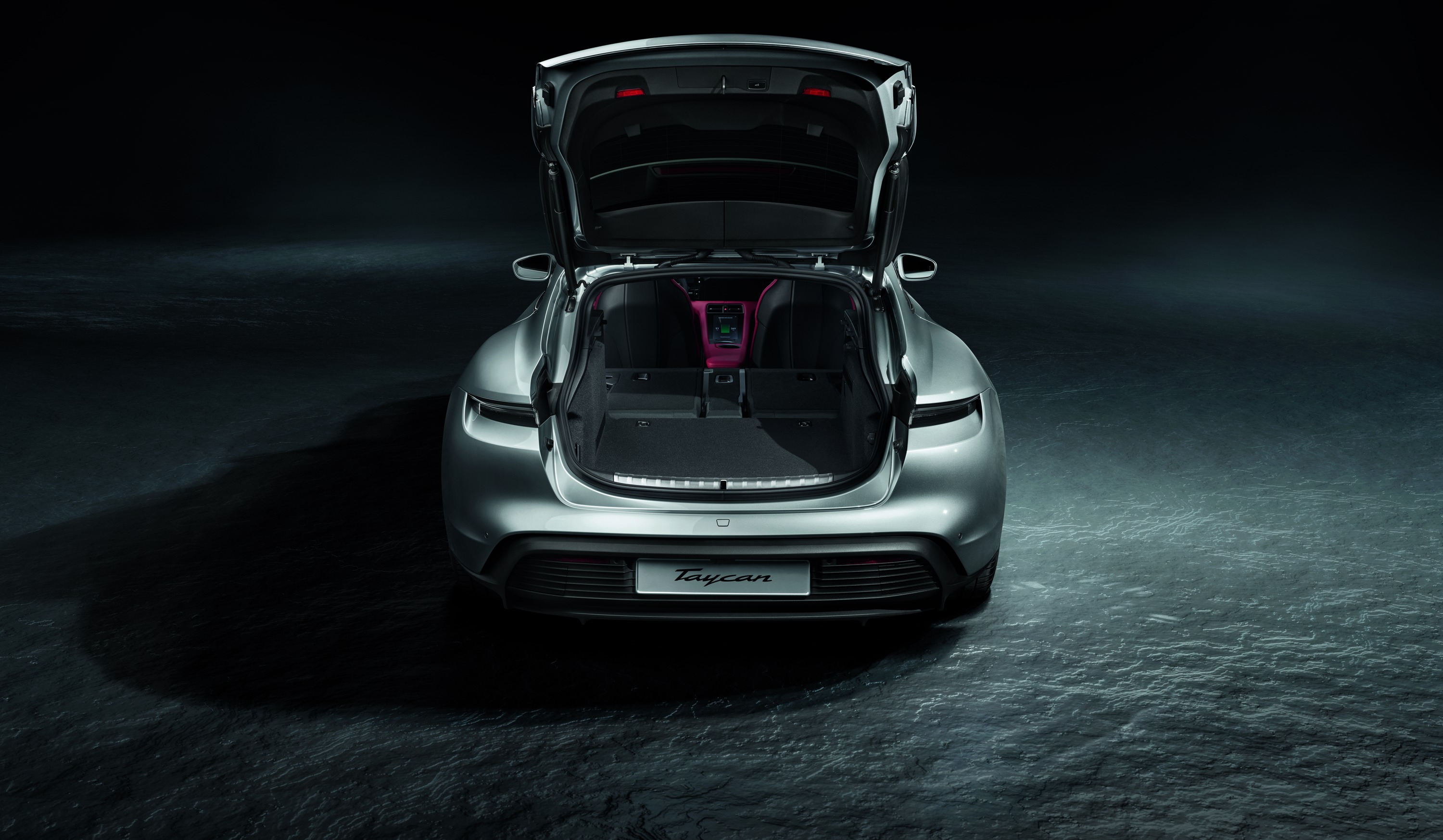
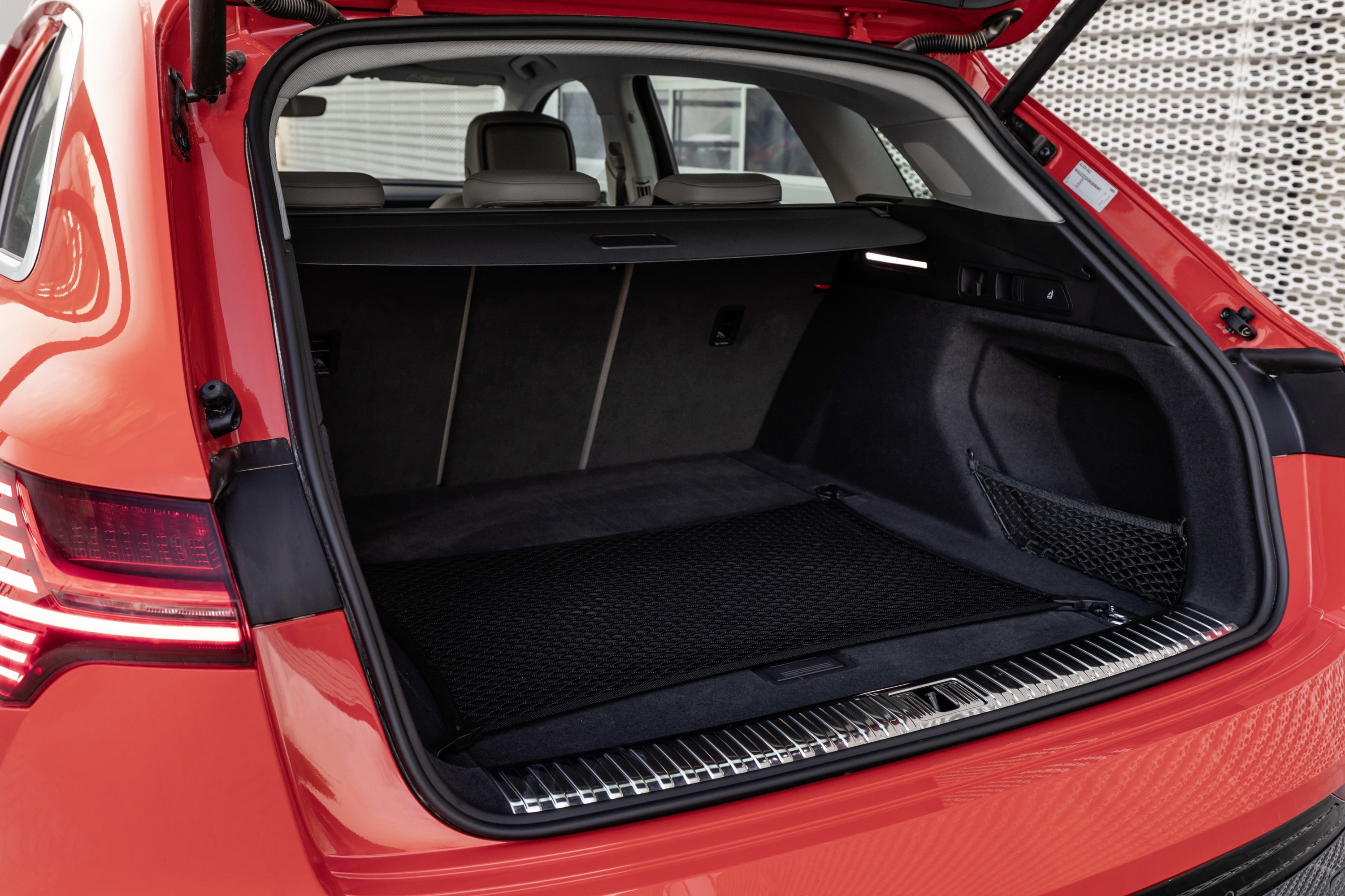
That is why two vehicles with the same quoted litres can have very different practical capacity. One may have a wide hatch and a square floor; the other may have a narrow opening, a sloping roof, wheel-arch intrusions or a high loading lip. A useful comparison names the measurement method and records:
- volume behind the relevant seating row;
- whether the figure is measured to the parcel shelf, seatback or roof;
- load-floor length, width and height;
- the narrowest part of the opening;
- volume and floor length with the seats folded;
- underfloor storage included in the quoted total.
Seats change space, not payload
A 60:40 rear bench lets the smaller or larger section fold independently. A 40:20:40 split can preserve two outer seats while opening a central pass-through for long items. The resulting floor may be flat, stepped or inclined, and the seatbacks may have their own load restrictions.
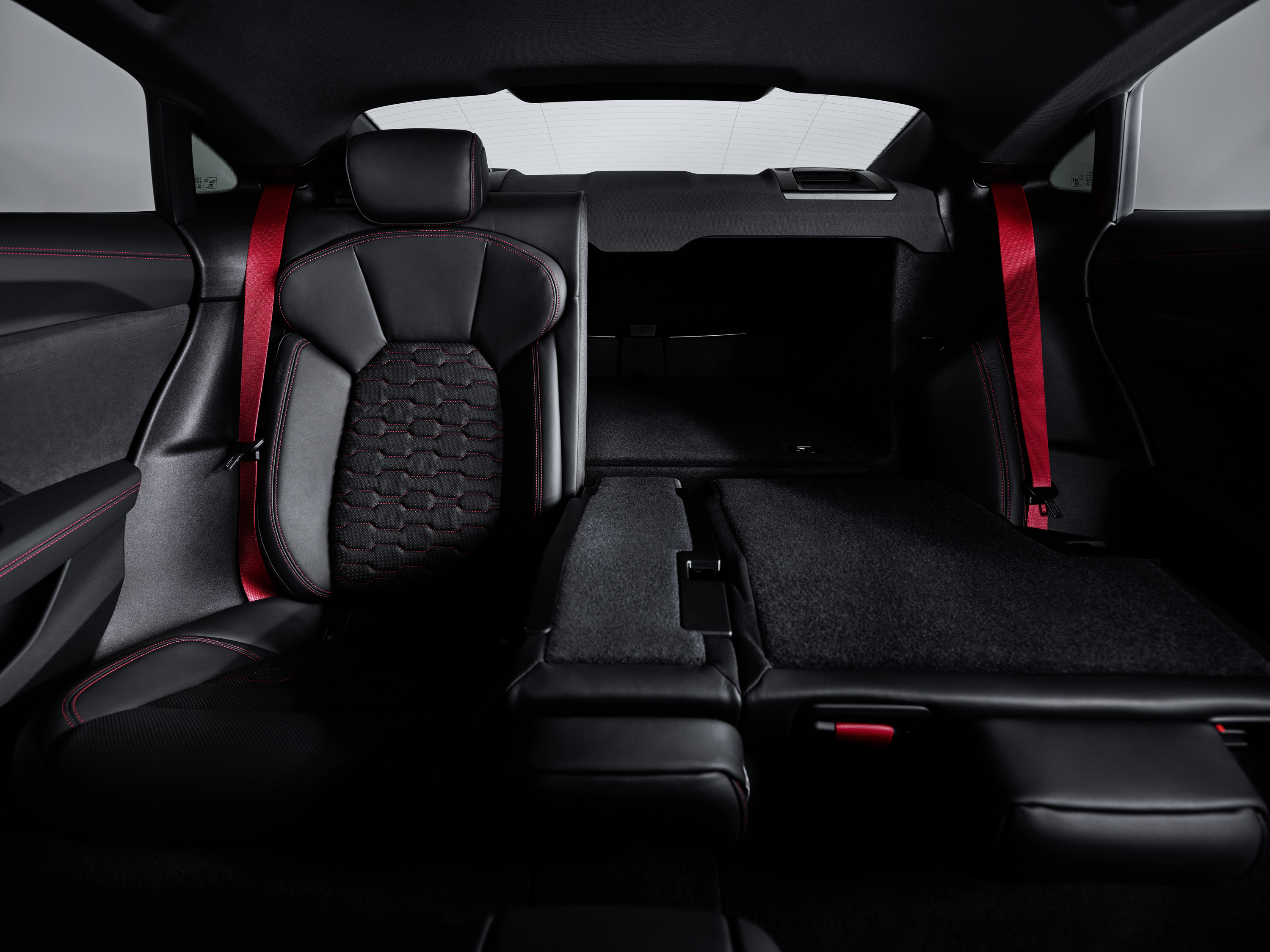
In a three-row vehicle, luggage volume should state which rows are in use. The space behind the third row answers a different question from maximum volume with both rear rows folded.

Folding seats creates volume but does not increase the vehicle's permitted payload. Passengers, cargo, fitted accessories and any trailer tongue load still count against the same certified vehicle and axle limits.
Calculate the remaining payload
The exact labels depend on the market. In North America, GVWR is the maximum permitted mass of the loaded vehicle, while GAWR limits the load supported by each axle. Other markets use terms such as technically permissible maximum laden mass and permissible axle mass.
For a real trip, the safest method is to weigh the loaded vehicle. A planning estimate can start with the vehicle-capacity figure on the certification label, then subtract occupants, accessories and every item added to the car. Do not assume that a large luggage compartment can be filled with dense cargo.
Place heavy items low and as far forward as the vehicle manufacturer recommends. A load concentrated behind the rear axle can reach the rear-axle limit before the vehicle reaches its total-mass limit.
Restrain cargo for hard braking
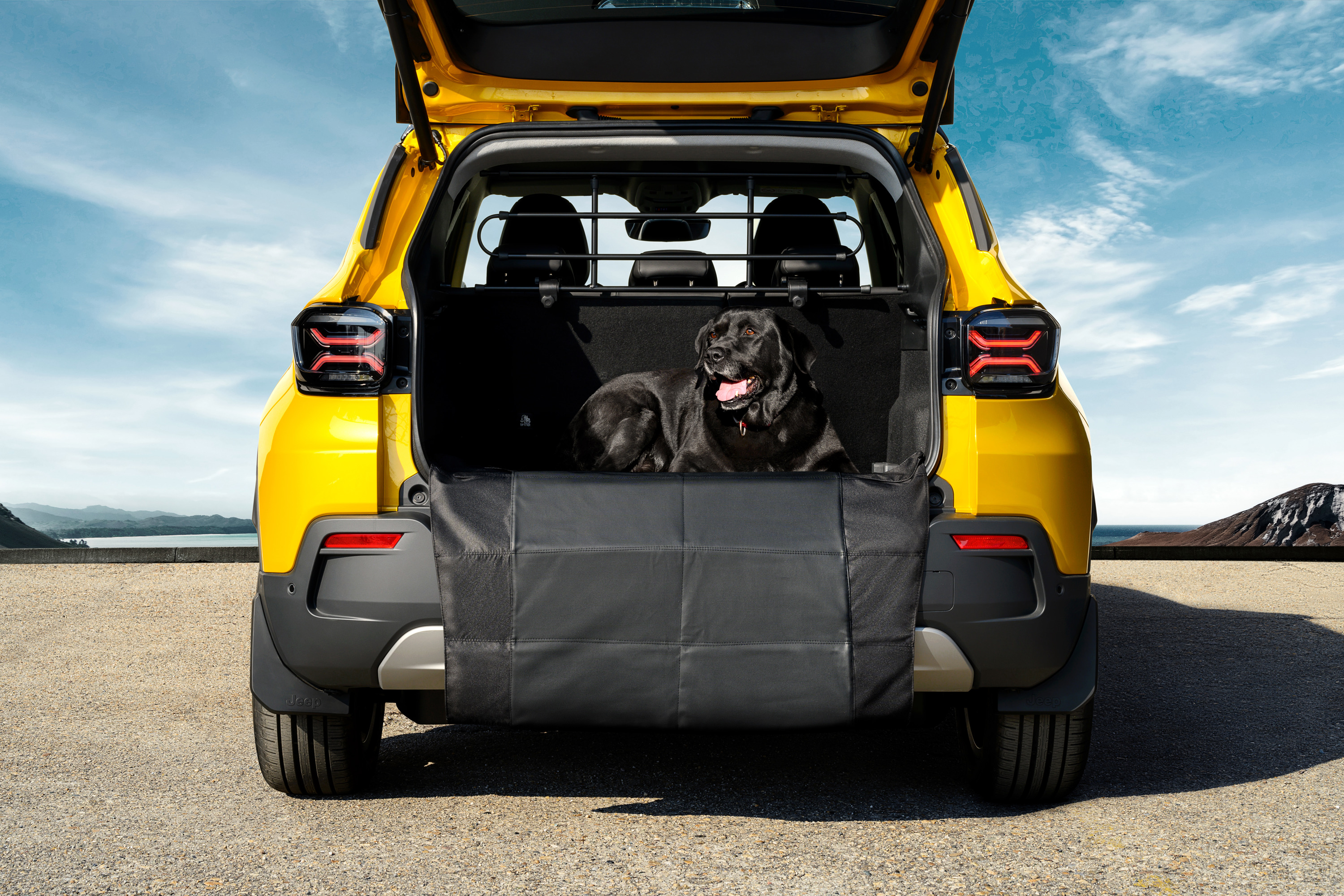
Tie-down loops are useful only within their stated rating. Use suitable straps, nets, barriers or purpose-designed dividers, and prevent small items from becoming projectiles. A parcel shelf or retractable cover hides luggage; it is not a structural cargo barrier unless the manufacturer explicitly says otherwise.
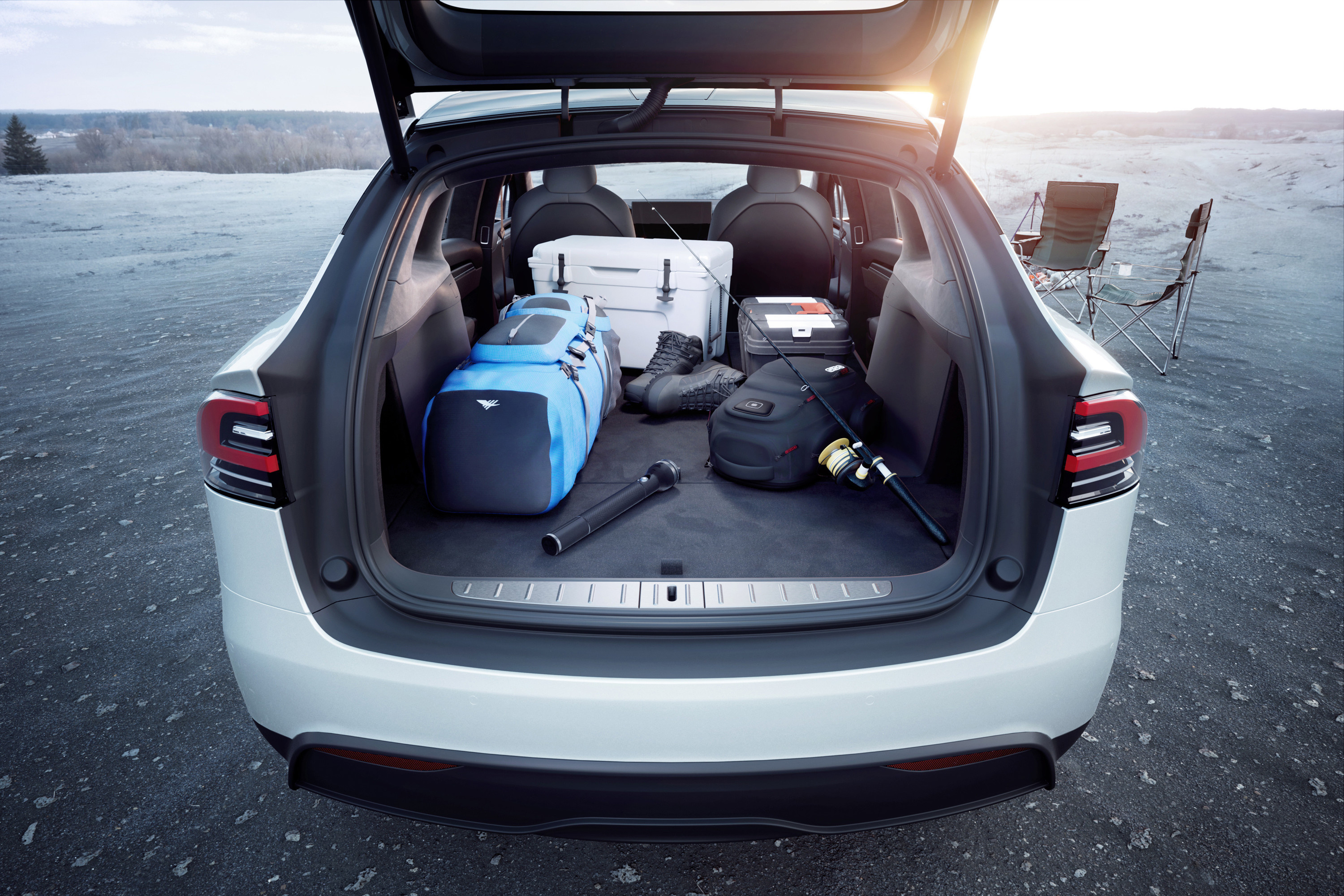
Keep the driver's view, airbag deployment zones and cabin vents clear. Recheck the load after the first part of the journey because bags and boxes can settle or shift.
Sleeping, pets and cabin use
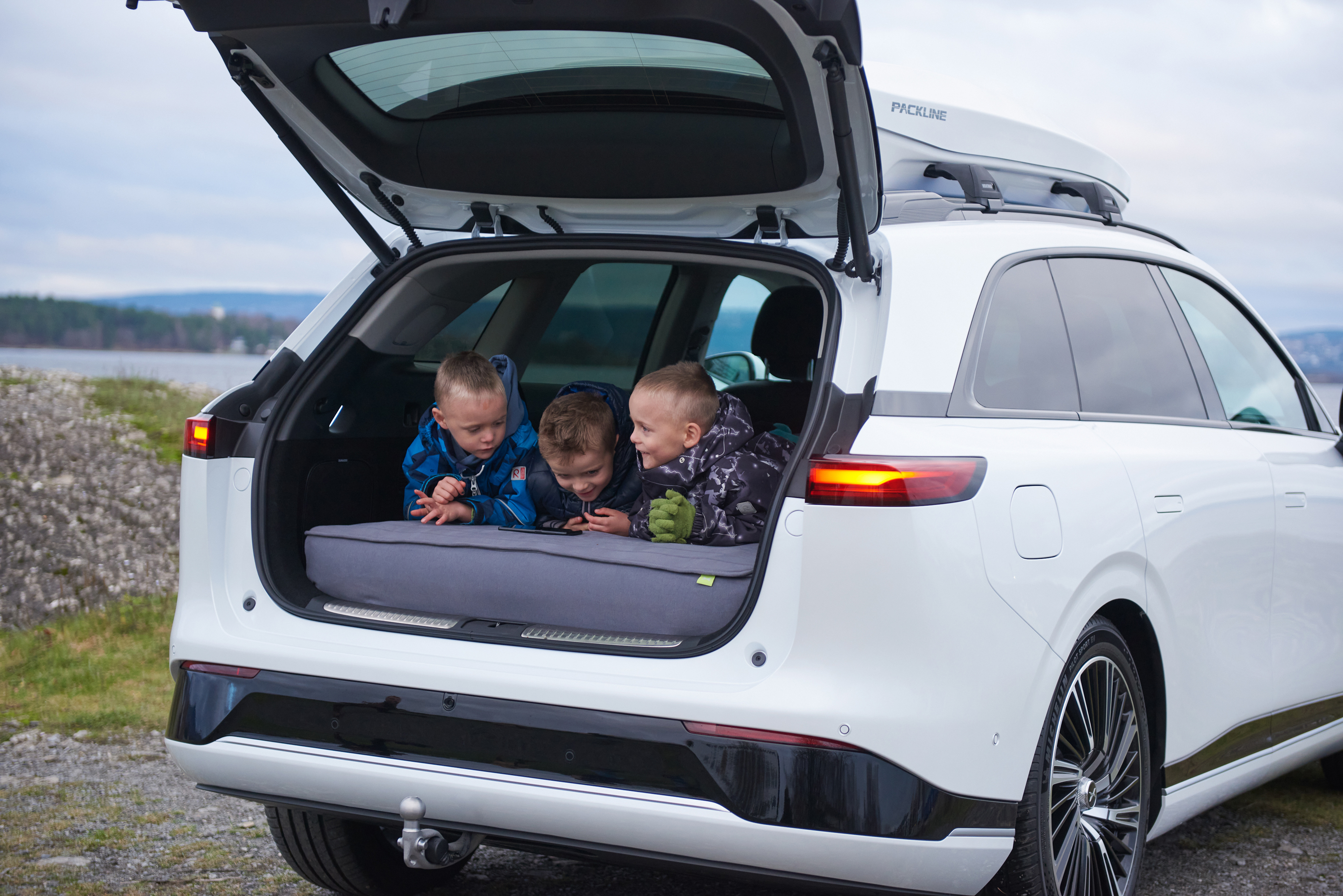
Some EVs provide a parked climate mode or a manufacturer accessory mattress. Check the manual for how long the climate system can operate, the minimum battery state and any ventilation or occupancy warnings. Heating or cooling the cabin consumes traction-battery energy and should be included in the onward range plan.
Pets should be separated or restrained with equipment appropriate to their size and the vehicle. Leave enough room for ventilation and never load above a barrier or seatback that is expected to contain the cargo.
What to check
- Compare volumes only when the measurement basis and seat configuration match.
- Measure the opening and usable floor for bulky items.
- Calculate payload after occupants and accessories are included.
- Check front and rear axle limits for dense loads.
- Use rated restraint points and keep loose items away from occupants.
- Keep mirrors, cameras, windows, airbags and ventilation paths clear.