Mazda has long distinguished itself among Japanese automakers through its commitment to driving pleasure, efficient engineering, and design innovation — from the legendary rotary engine to its acclaimed Kodo design language. The brand's approach to electrification reflects this independent thinking, prioritizing lifecycle environmental impact and right-sized battery packs over maximum range figures.
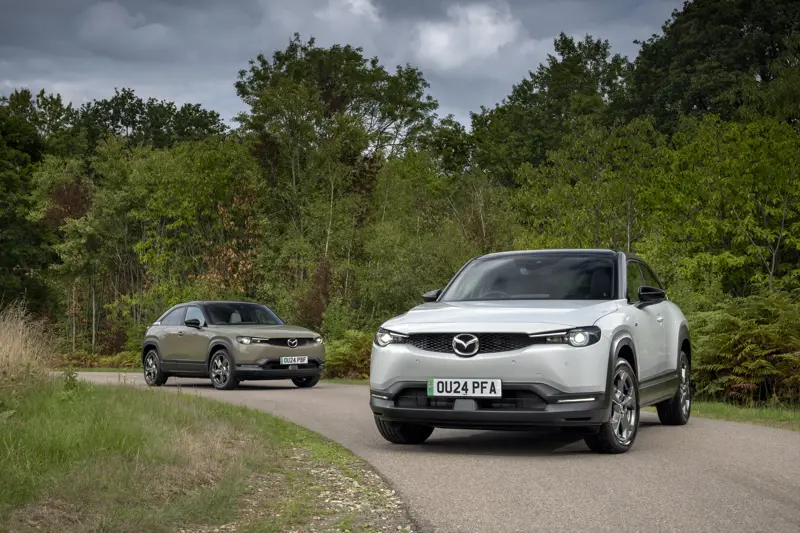
The MX-30 EV, Mazda's first series-production electric vehicle, launched with a modest 35.5 kWh battery delivering around 200 km of range. Mazda argued this was a deliberate choice to minimize the environmental footprint of battery production while serving the needs of most daily commuters. While this philosophy was thoughtful, it placed the MX-30 at a disadvantage against competitors offering significantly more range at similar prices.
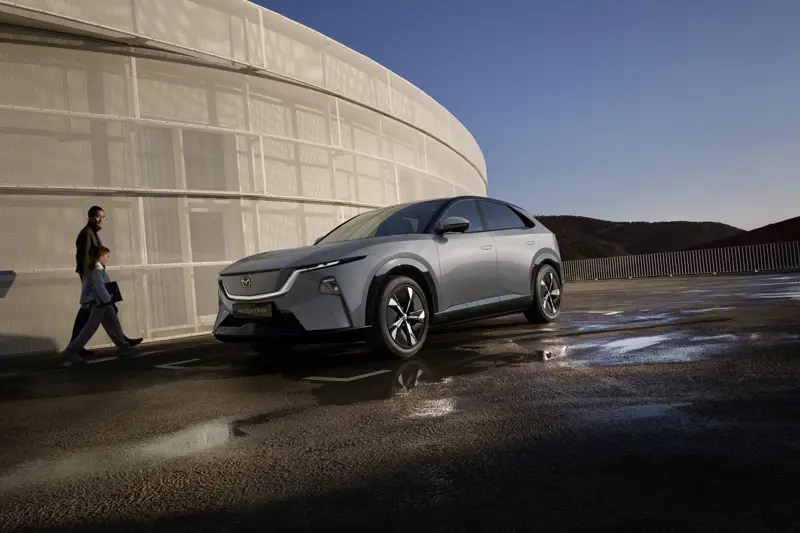
Looking ahead, Mazda has announced plans for a scalable dedicated EV platform, developed in partnership with other Japanese automakers, that will underpin a new generation of electric vehicles starting around 2027-2028. These future models are expected to offer competitive range and performance while maintaining the engaging driving character that defines the Mazda brand.
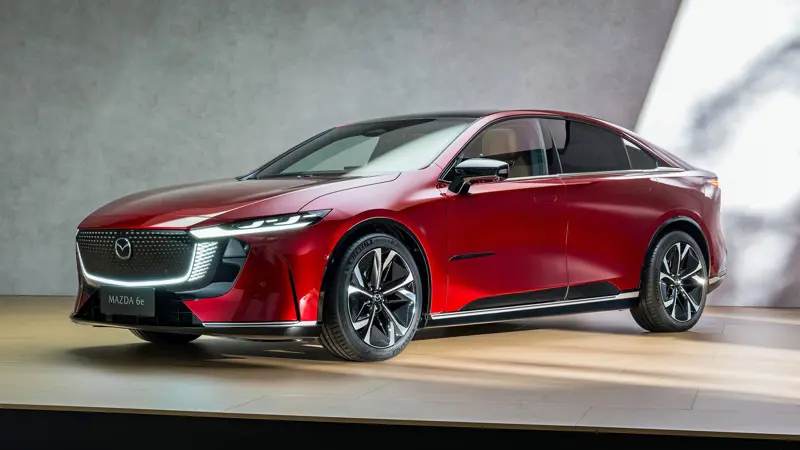
Mazda's relatively cautious EV strategy reflects the realities of being a smaller, independent automaker with limited resources compared to larger rivals. The brand continues to invest in hybrid and plug-in hybrid technology as bridge solutions while building toward a more comprehensive electric lineup for the latter part of the decade.
Mazda has currently {0} all electric models with total {1} variants in the market. Below you find links for each model page.