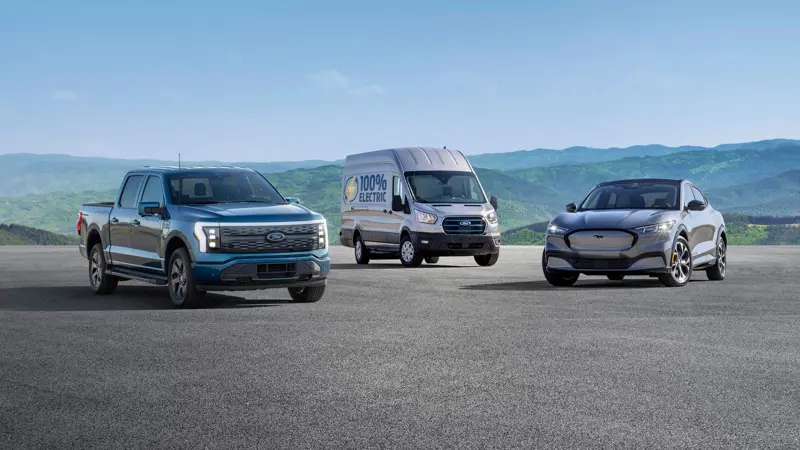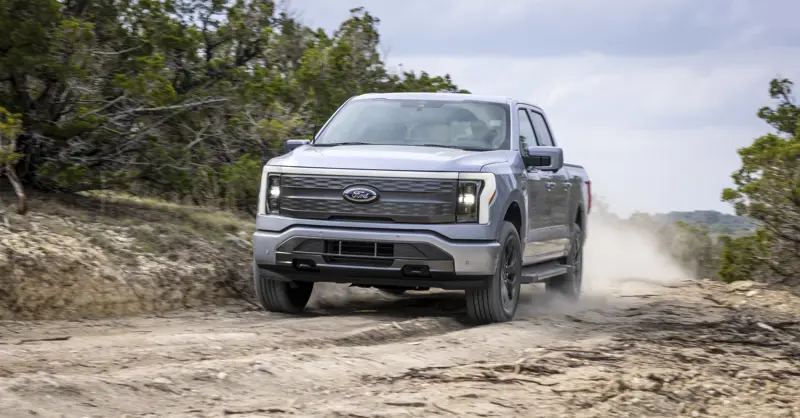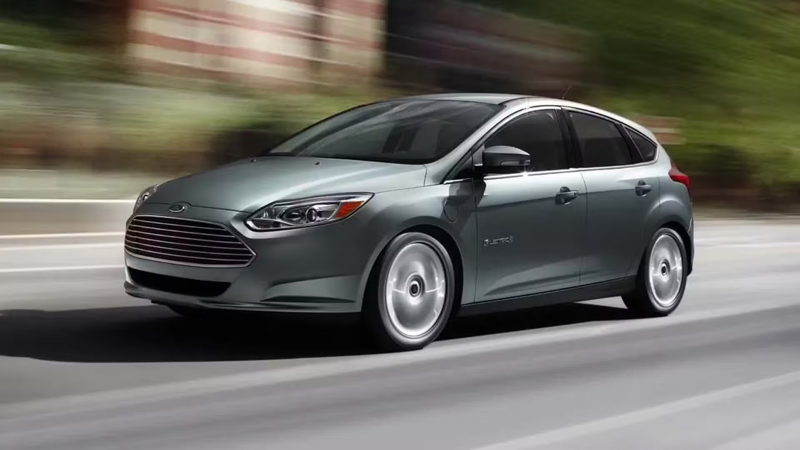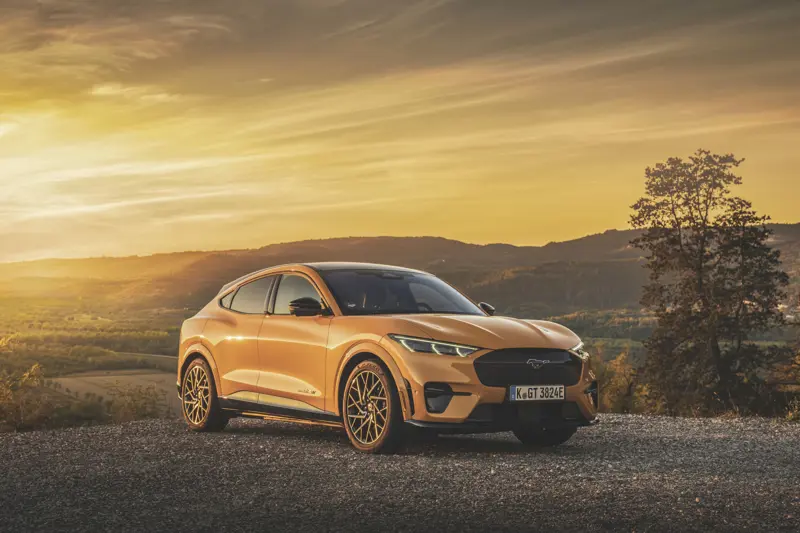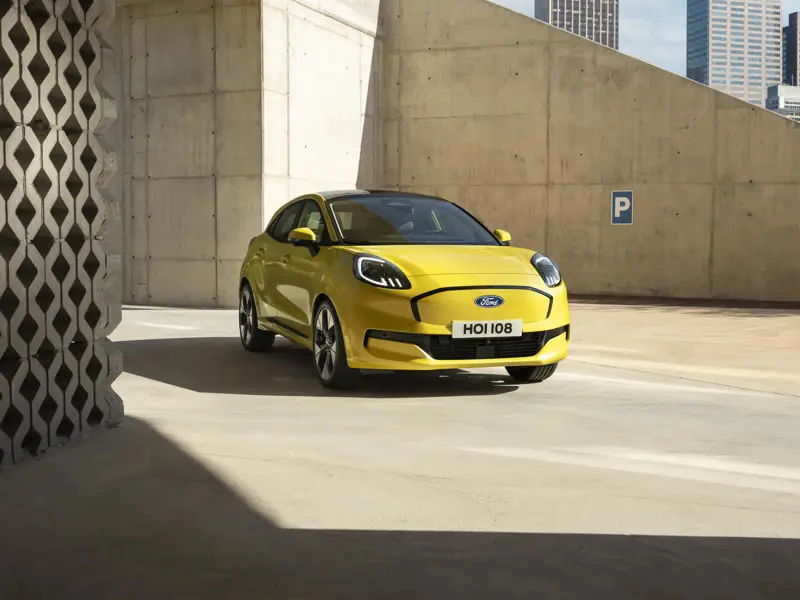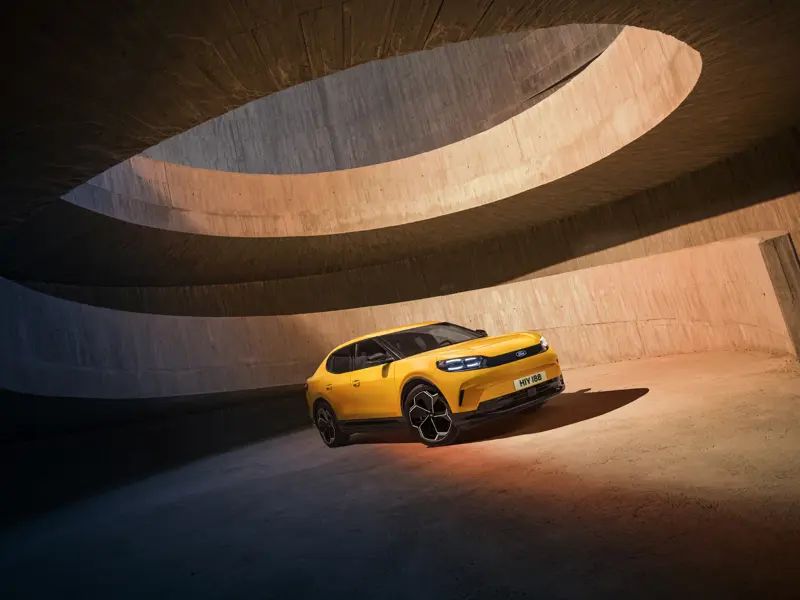
Ford's approach to electrification has been to electrify its most beloved nameplates, a strategy that has yielded both critical acclaim and strong consumer recognition. The Mustang Mach-E, launched in 2020, proved that an electric crossover bearing the Mustang name could win over both EV enthusiasts and traditional Ford fans. The F-150 Lightning, which brought electric power to America's best-selling vehicle, demonstrated Ford's commitment to electrifying the heart of its business — trucks.
In 2023, Ford reorganized into three divisions: Ford Blue (ICE vehicles), Ford Model e (electric vehicles), and Ford Pro (commercial). This structure was designed to give the EV business startup-like agility while leveraging Ford's manufacturing scale. However, the Model e division has reported significant losses as the company invests heavily in next-generation EV platforms while current models face pricing pressure from increased competition, particularly from Tesla and Chinese manufacturers.
Ford has been recalibrating its EV strategy in response to market realities. The company delayed or scaled back several planned EV launches, shifted investment toward hybrid vehicles where demand has been stronger, and focused on reducing the cost of its next-generation electric vehicles. A new affordable EV platform, developed partly in collaboration with partners, is expected to underpin future models that can compete more effectively on price.
The commercial EV segment has been a bright spot for Ford, with the E-Transit electric van gaining strong traction among fleet operators. Ford Pro's integrated approach — combining electric vehicles with charging solutions and fleet management software — has resonated with business customers looking for comprehensive electrification solutions. This commercial focus may prove to be one of Ford's most durable competitive advantages in the EV market.
Ford has currently {0} all electric models with total {1} variants in the market. Below you find links for each model page.