
Autonominen ajaminen sähköajoneuvoissa
Ajamisen automaatio ei ole yksi teknologia eikä suora linja vakionopeudensäätimestä autoon, joka voi ajaa missä tahansa. Olennaisia kysymyksiä ovat, kuka ajaa, missä järjestelmä voi toimia, mitä ihmisen on tehtävä ja mitä tapahtuu rajan tullessa vastaan. Tämä sarja vastaa niihin sähköautojen ostajille standardien, viranomaisten, turvallisuusjärjestöjen, valmistajien ja kuljettajattomien kalustojen operaattoreiden näytön perusteella.
Nimikkeen takana oleva todellisuus
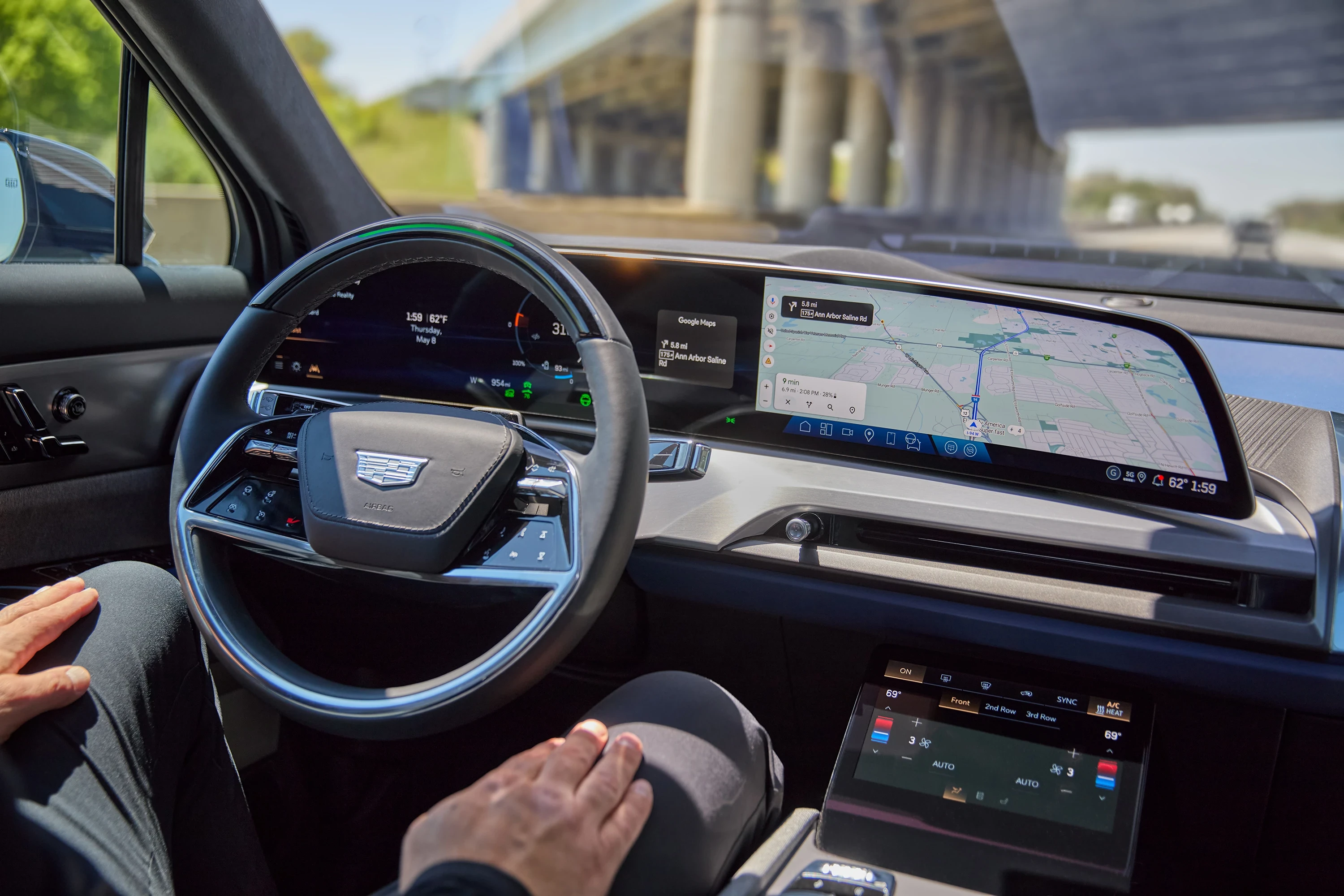
Useimmat henkilöautoihin myytävät automatisoidut toiminnot ovat SAE-tason 2 kuljettajan tukijärjestelmiä. Ne voivat ohjata, kiihdyttää ja jarruttaa samanaikaisesti, ja jotkin sallivat ajamisen ilman käsiä hyväksytyillä teillä. Ihminen ajaa edelleen ja hänen on valvottava jatkuvasti.
Taso 2 voi nyt sisältää reitin ajamisen pisteestä pisteeseen kaupunkikaduilla: kaistojen valinnan, kääntymisen, risteysten käsittelyn ja pysähtymisen punaisiin valoihin tai stop-merkeille. Reitin suorittaminen ei tee järjestelmästä tasoa 3. Raja muuttuu vasta, kun järjestelmä ihmisen sijasta valvoo ajoympäristöä toiminnon ollessa aktiivinen.
SAE-tasot 3–5 eroavat tästä, koska automatisoitu ajojärjestelmä suorittaa koko dynaamisen ajotehtävän ollessaan aktiivinen. Taso 3 tarvitsee edelleen varatoimintoon valmiin käyttäjän, joka voi vastata hallinnan siirtopyyntöön. Tason 4 on hoidettava tehtävä ja varatoiminto ilman riippuvuutta ihmisestä toiminnallisen suunnittelualueensa sisällä. Taso 5 poistaa aluerajoituksen, mutta mitään tason 5 järjestelmää ei ole julkisessa palvelussa tai ostettavissa.
Taso koskee tiettyä toimintoa tietyissä olosuhteissa, ei ajoneuvoa kaikilla matkoilla. Autossa voi olla tason 2 ja tason 3 toimintoja, kun taas tason 4 robotaksi voi ajaa ilman kuljettajaa yhdellä palvelualueella mutta olla toimintakyvytön muualla.
Neljä koetta jokaiselle automaatioväitteelle
Markkinointinimet ovat heikkoa näyttöä. Käytä sen sijaan neljää koetta.
- Kuljettajan rooli: Onko ihmisen tarkkailtava tietä jatkuvasti, oltava käytettävissä siirtymäajan jälkeen, vai voivatko kaikki kyydissä olevat pysyä matkustajina?
- Toiminta-alue: Mitä teitä, kartoitettuja alueita, nopeuksia sekä sää-, valo- ja liikenneolosuhteita tuetaan?
- Varatoiminto: Kuka vie ajoneuvon vähimmäisriskin tilaan, kun toiminto ei voi jatkaa?
- Näyttö: Perustuuko väite tyyppihyväksyntään, käyttölupaan, julkaistuun turvallisuusperusteluun, avoimiin tulostietoihin vai ainoastaan tuote-esittelyyn?
Ajaminen ilman käsiä ei yksin vastaa yhteenkään näistä kysymyksistä. Ilman käsiä toimiva ominaisuus voi edelleen olla tasoa 2. Tason 4 ajoneuvo ei myöskään välttämättä ole monipuolisempi kuin yksityisomisteinen tason 2 auto; se voi olla paljon pidemmälle automatisoitu huomattavasti pienemmän alueen sisällä.
Miksi sähköajoneuvot ovat keskeisiä mutta eivät välttämättömiä
Ajamisen automaatio ei riipu voimalinjasta. Polttomoottoriajoneuvo voidaan automatisoida, eikä sähköauto ole autonominen vain siksi, että siinä on sähköinen voimanlähde.
Sähköajoneuvot hallitsevat silti monia tarkoitukseen suunniteltuja robotaksiohjelmia. Sähkömoottorit tarjoavat nopean ja tarkan vääntömomentin hallinnan, suuret ajoakut voivat syöttää antureita ja laskentaa tehomuuntimien kautta, ja nykyaikaiset sähköautojen alustat yhdistävät usein sähköiset jarrut ja ohjauksen, keskitetyn laskennan sekä päivitettävän ohjelmiston. Kalusto-operaattorit voivat myös sovittaa latauksen ja huollon ajoneuvojen korkeaan käyttöasteeseen.
Tästä syntyy kustannus. Kamerat, tutkat, lidar-anturit, tietokoneet, puhdistusjärjestelmät ja jäähdytys kuluttavat energiaa; ulkoiset anturiyksiköt voivat kasvattaa ilmanvastusta. Tutkimuksissa on mitattu varusteltujen sähköajoneuvojen merkittäviä toimintamatkan menetyksiä, vaikka tulos riippuu voimakkaasti laitteistosta, laskennan tehokkuudesta, nopeudesta ja käyttösyklistä. Automaatio ja sähköistys on siksi suunniteltava yhdessä eikä käsiteltävä ilmaisina lisinä.
Kolme markkinaa kehittyvät eri tahtiin
Kuluttajien kuljettajantuki laajenee nopeimmin. Tason 2 järjestelmät kattavat enemmän teitä ja ajotilanteita, kun taas kuljettajan valvonta ja väärinkäytön estot pysyvät ratkaisevina.
Yksityisautojen ehdollinen automaatio etenee pienemmin askelin. Tason 3 toimintoja on saatavana rajatuilla markkinoilla ja rajatuilla alueilla täsmällisin nopeus-, tie- ja ympäristörajoituksin. Niiden merkitys on kuljettajan muuttuneessa roolissa, ei käytettävän kartan koossa.
Kuljettajattomat kalustopalvelut tarjoavat selkeimmät tason 4 käyttöönotot. Robotaksit voivat toimia ilman kuljettajaa, mutta vain hyväksytyillä palvelualueilla, joita tukevat kartoitus, kaluston huolto, lataus, etäapu ja paikalliset toimintamenettelyt.
Nämä ovat erillisiä tuotteita, joilla on erilaiset turvallisuusperustelut ja liiketoimintamallit. Niiden vertaaminen yhdellä ”itseajavuuden” asteikolla peittää enemmän kuin paljastaa.
Lue sarja
- SAE Levels of Driving Automation — kuusi tasoa ja niiden taustalla olevat roolit
- Level 2 vs Level 3 — miksi katse tiessä tai poissa siitä on raja eikä toimintopäivitys
- Point-to-Point Level 2 — määränpäähän ohjattu kaupunkiajo, liikennevalot ja stop-merkit valvonnan alaisina
- Operational Design Domain — tiet ja olosuhteet, jotka määrittävät, missä automaatio toimii
- Sensors and Compute — kamerat, tutka, lidar, paikannus, laskenta ja toimilaitteet
- The Automated-Driving Software Stack — havainnointi, ennustaminen, suunnittelu, hallinta ja varatoiminto
- Why Autonomous Fleets Are Going Electric — sähköistyksen ja automaation todelliset yhteydet ja kompromissit
- Safety, Redundancy and Regulation — turvallisuusperustelut, redundanssi, kyberturvallisuus ja sääntely
- Automated-Driving Systems in the Real World — ajantasainen opas valvottuihin, ehdollisiin ja kuljettajattomiin järjestelmiin
- The Hard Problems Automated Driving Has Not Solved — edelleen avoimet tekniset, inhimilliset ja toiminnalliset ongelmat
- The Road Ahead — näyttöön perustuva polku laajemmasta avustamisesta rajattuun autonomiaan