
Door Handles and Emergency Access
A door handle is the visible part of a safety chain whose other links include the release mechanism, latch, striker, locks, wiring, software, and door structure.
Flush surfaces and electronic latches can reduce aerodynamic disturbance and enable new access functions, but a design succeeds only when the complete chain remains understandable and usable in ordinary weather, low-voltage failure, and post-crash conditions.
Interface, release, and latch
This article focuses on handles and releases. Door geometry is covered in Vehicle Doors and Openings, while powered and safety functions are covered in Door Automation, Safety, and Comfort.
Three layers are often confused:
- Handle or control: the part a person grips, presses, or touches.
- Release path: a cable or linkage in a mechanical system, an electrical signal and actuator in an e-latch, or both in a hybrid design.
- Latch and striker: the components that hold the closed door to the body.
A flush handle can still pull a mechanical cable. A conventional-looking handle can trigger an electronic release. The useful question is therefore not simply “Is the handle flush?” but “What must work between my hand and the latch?”
Exterior handle strategies
There is no universal best form. The main trade is among discoverability, grip, local airflow, weather exposure, packaging, cost, and the number of dependencies between touch and release.
Protruding pull handles
A conventional pull handle gives the hand an obvious target and direction. It can be mechanically linked to the latch or used as the input to an electronic release.

Its strengths are human rather than fashionable: it works with gloves, communicates “pull” without instruction, and gives rescuers a recognizable interface. Its penalties are extra protrusion, local aerodynamic disturbance, and less freedom to create a completely smooth body side.
Fixed recessed handles
A fixed flush handle uses a pocket or shaped recess rather than a part that first has to deploy. It avoids a presentation actuator and can retain a direct mechanical path.
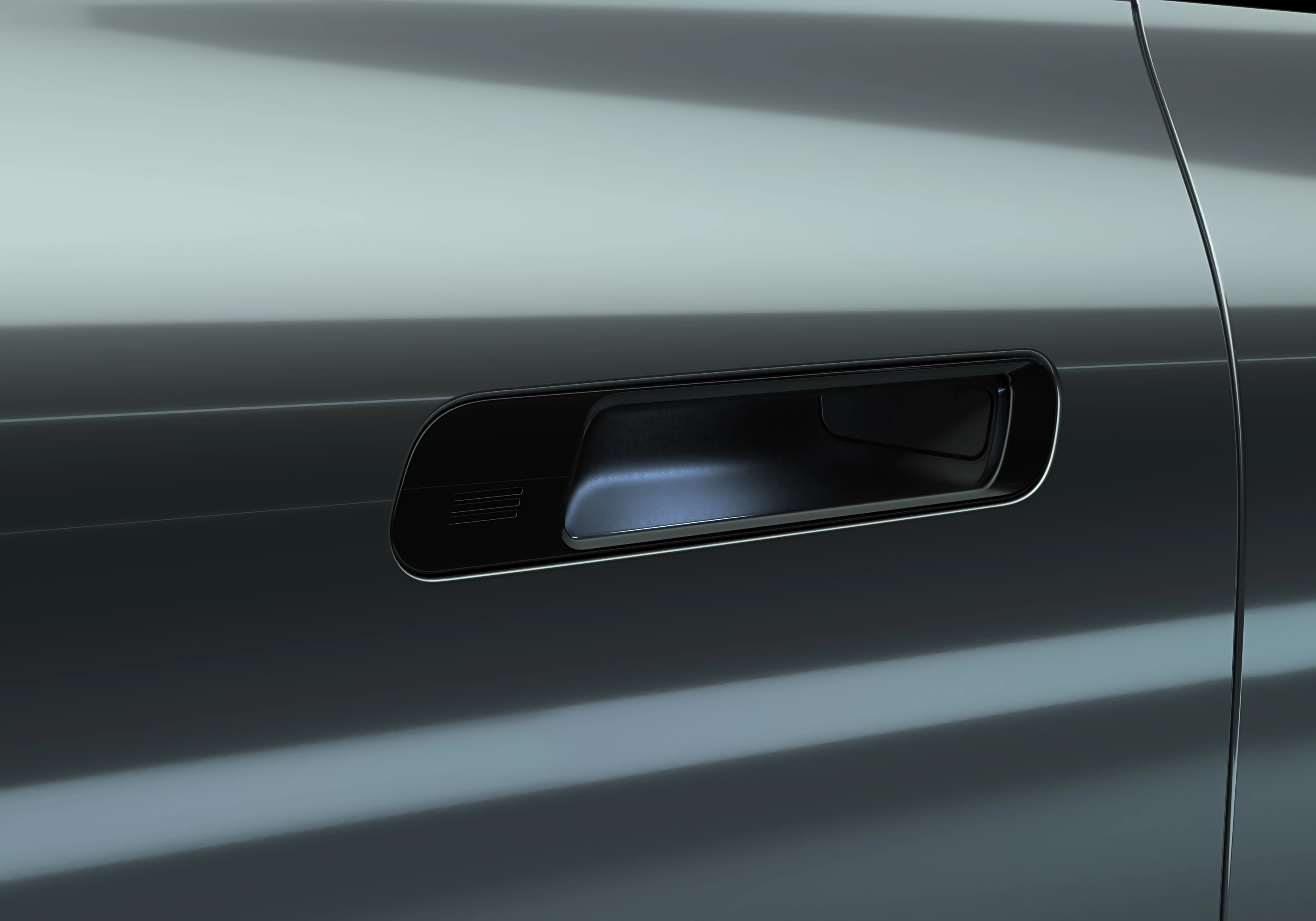
The design is only as good as its hand clearance and drainage. A shallow pocket may be difficult with gloves; a deep one can hold snow, salt, and water.
Flap and rotating handles
A flap handle is graspable while flush and moves outward as it is pulled. A rotating handle usually requires the user to press one end before the other end pivots out.
The Porsche Taycan example above provides a visible recess before the handle extends. That is operationally different from a handle that must motor out before any useful grip exists.

Flap and rotating designs can provide a clear physical action with fewer dependencies than a fully deployable system. Their pivots, clearances, and pockets still need to tolerate icing and contamination, and a “press here, then pull there” sequence may not be obvious to a first-time user.
Deployable handles
A deployable handle sits flush while the car is locked and presents itself after proximity detection, unlocking, or a touch command.
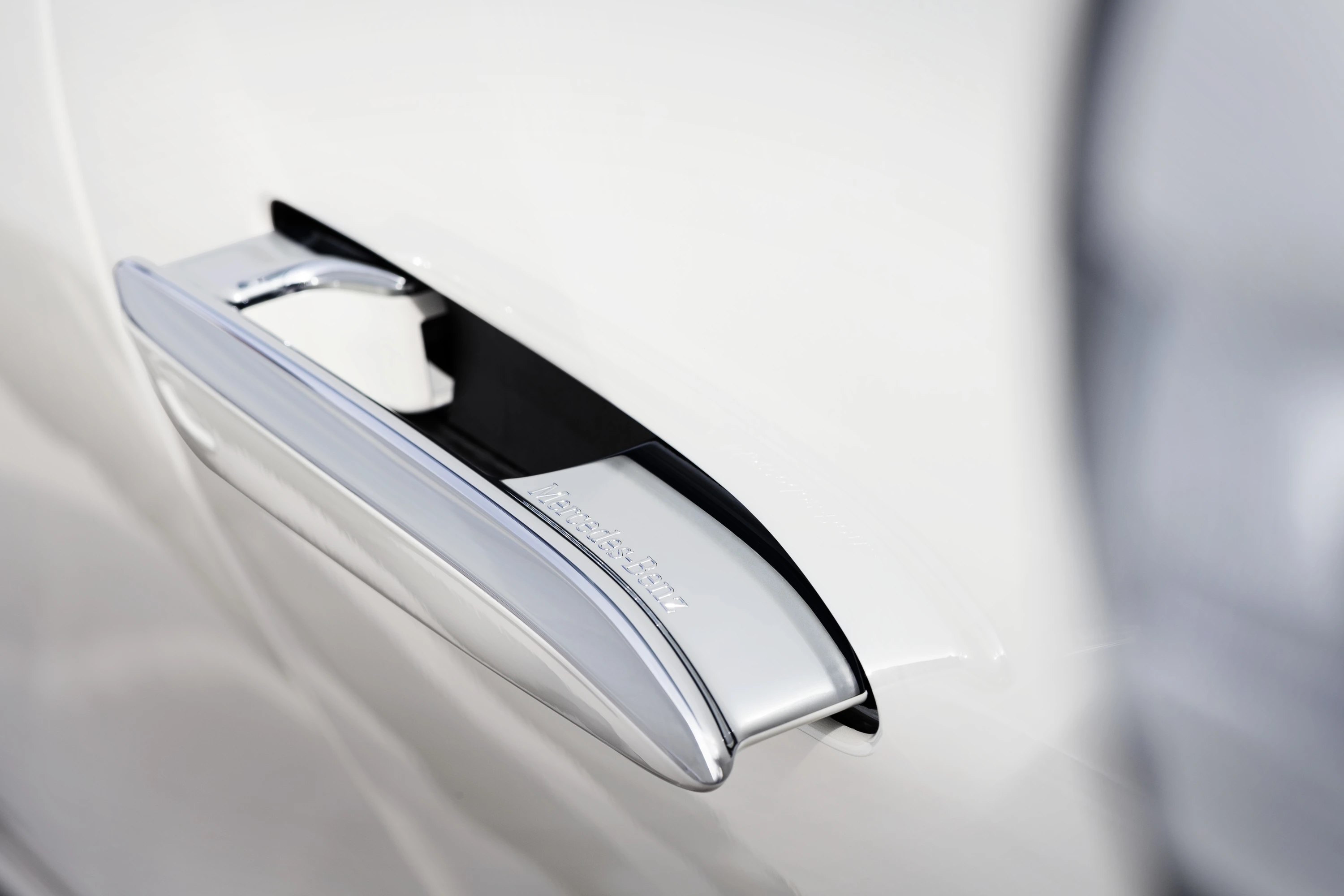
This design can smooth the parked body surface and gives the handle a large usable grip once deployed. It also creates a longer dependency chain: authentication, low-voltage supply, sensor or switch, controller, actuator, moving handle, release, and latch. Good implementations provide an exterior mechanical operating space and a release method that does not depend on the presentation motor.
Buttons and touch surfaces
A button, capacitive pad, or pressure sensor can trigger an e-latch with almost no visible moving part.
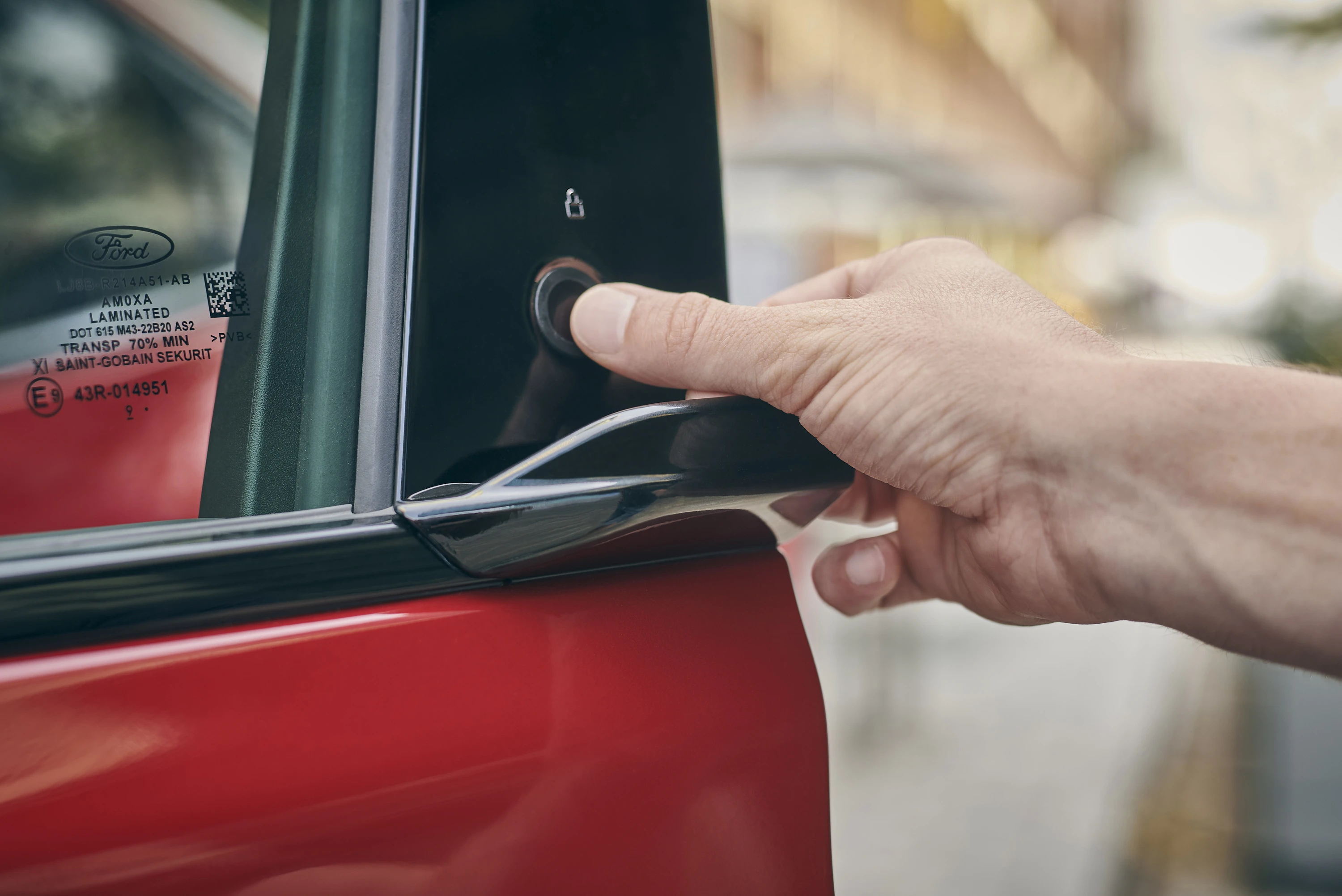
The missing grip then has to be supplied by a door edge, pocket, or secondary feature. Gloves, water, ice, and unfamiliarity can make a visually minimal control harder to use. Because the normal action is electrical, the manual fallback becomes part of the safety interface rather than an obscure service feature.
Beltline and pillar-mounted handles
Some designs move the control into the window surround, beltline, or rear pillar.
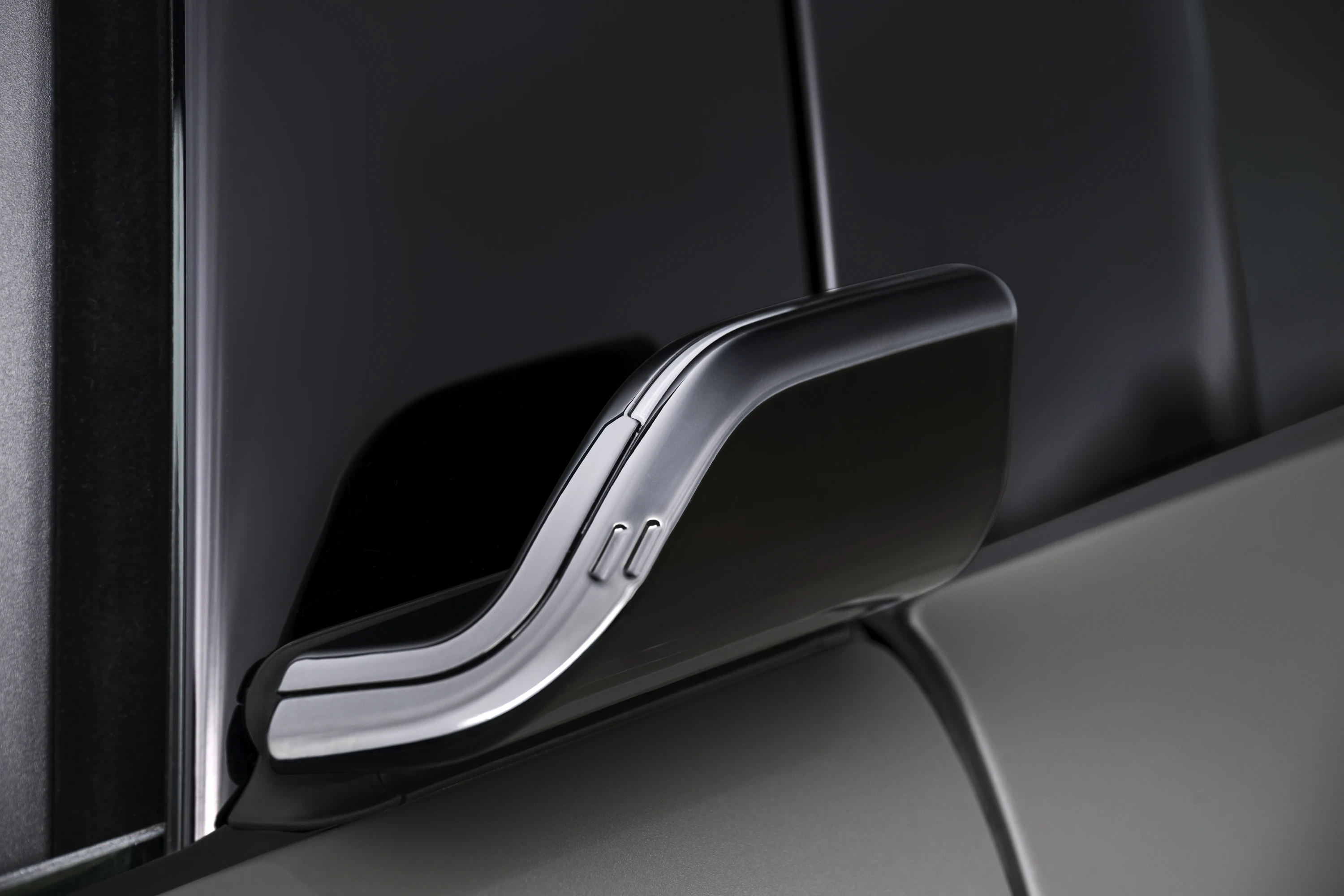
This keeps the main door skin clean and may avoid a large deployable mechanism, but reduces discoverability. The control must still communicate where to touch and where to pull.
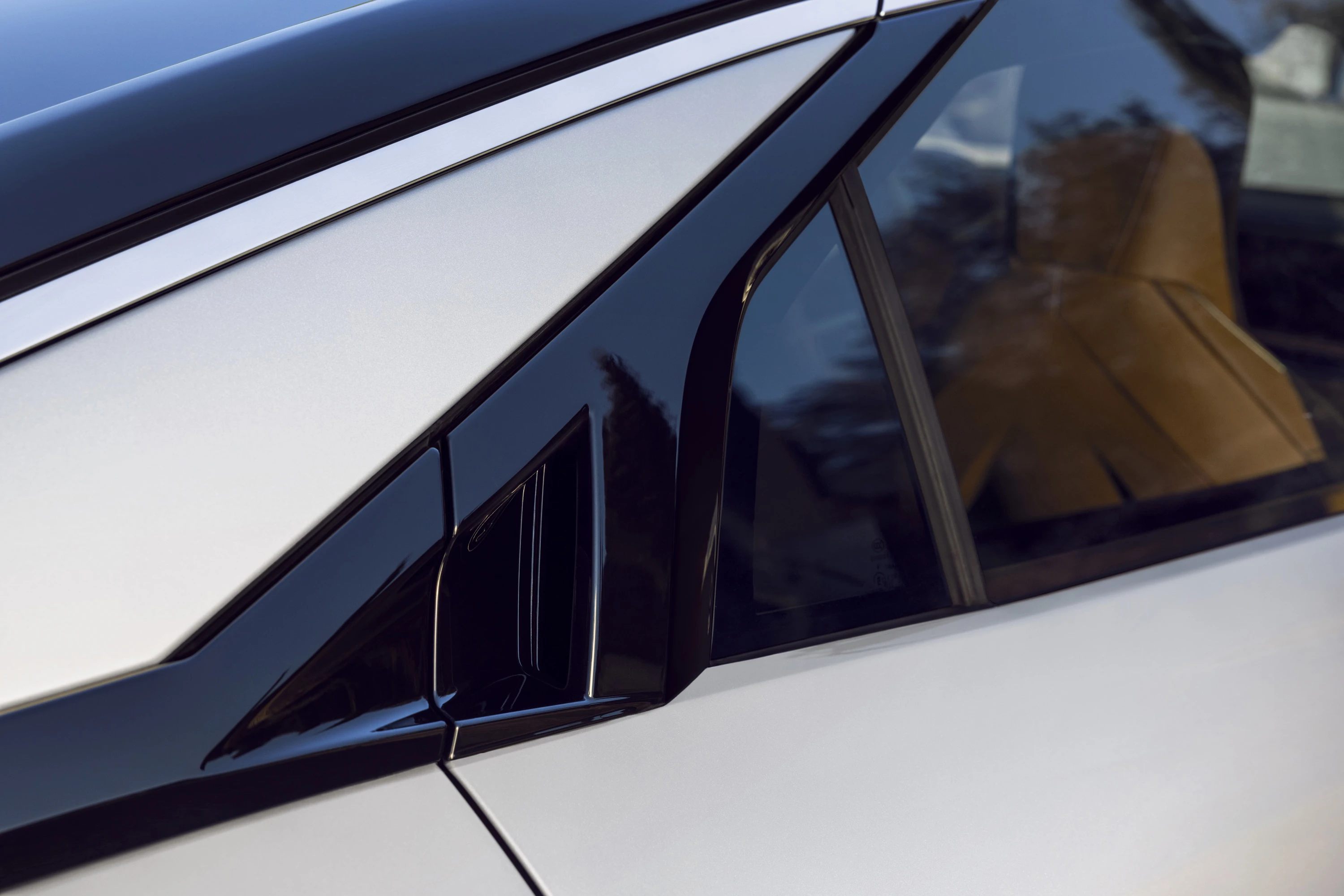
A hidden rear-door handle can give a five-door car the visual profile of a three-door model. That styling choice may be familiar to the owner but less obvious to children, ride-hailing passengers, bystanders, and rescuers.
Mechanical, electronic, and hybrid release
Mechanical release
A mechanical release transfers hand movement to the latch through a cable, rod, or linkage.
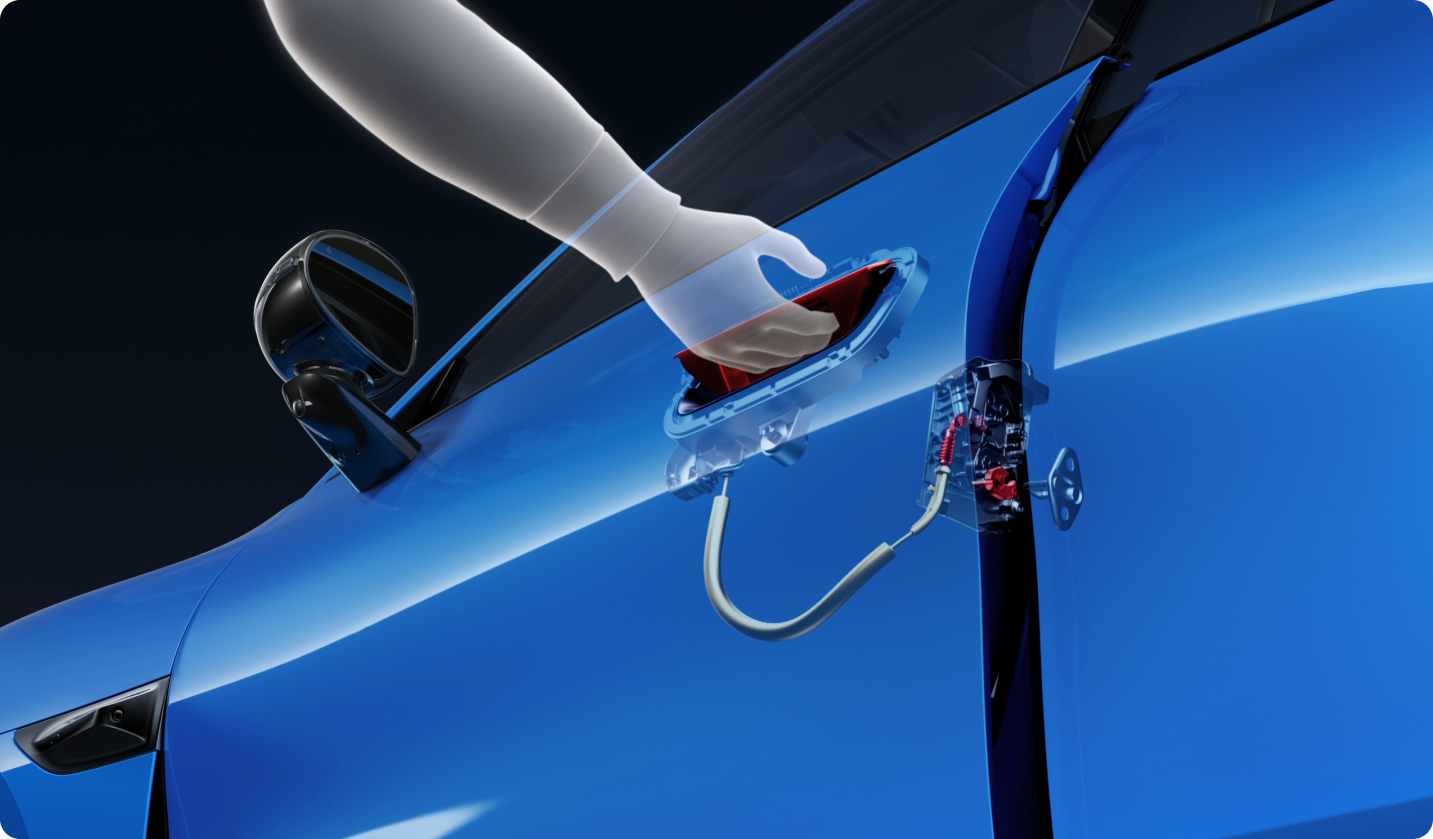
It does not need low-voltage power, but it still depends on an intact handle, linkage, latch, and door geometry. Crash deformation can jam a mechanically released door, so “mechanical” does not mean “guaranteed to open.”
Electronic release
An electronic release sends a command to an actuator in or near the latch. It enables touch controls, software locking logic, soft close, and powered doors, and can delay opening when a cyclist is approaching.
The corresponding failure set includes low-voltage loss, damaged wiring, actuator failure, software state, and an inaccessible manual override. Electronic release should therefore be assessed as a system, not praised or rejected as a component.
Hybrid release
A hybrid design uses the e-latch for normal operation and provides a separate mechanical path for abnormal conditions. This can combine low effort and safety, provided the fallback is visible, reachable, labelled, and fitted at the seats where occupants may need it.
A manual cable hidden behind trim can satisfy a service procedure while failing as an emergency interface. Under stress, visibility, dexterity, posture, smoke, noise, and unfamiliarity are all worse than in a showroom.
Interior releases and escape
A conventional interior lever has a strong human-factors advantage: its shape and motion explain the action.
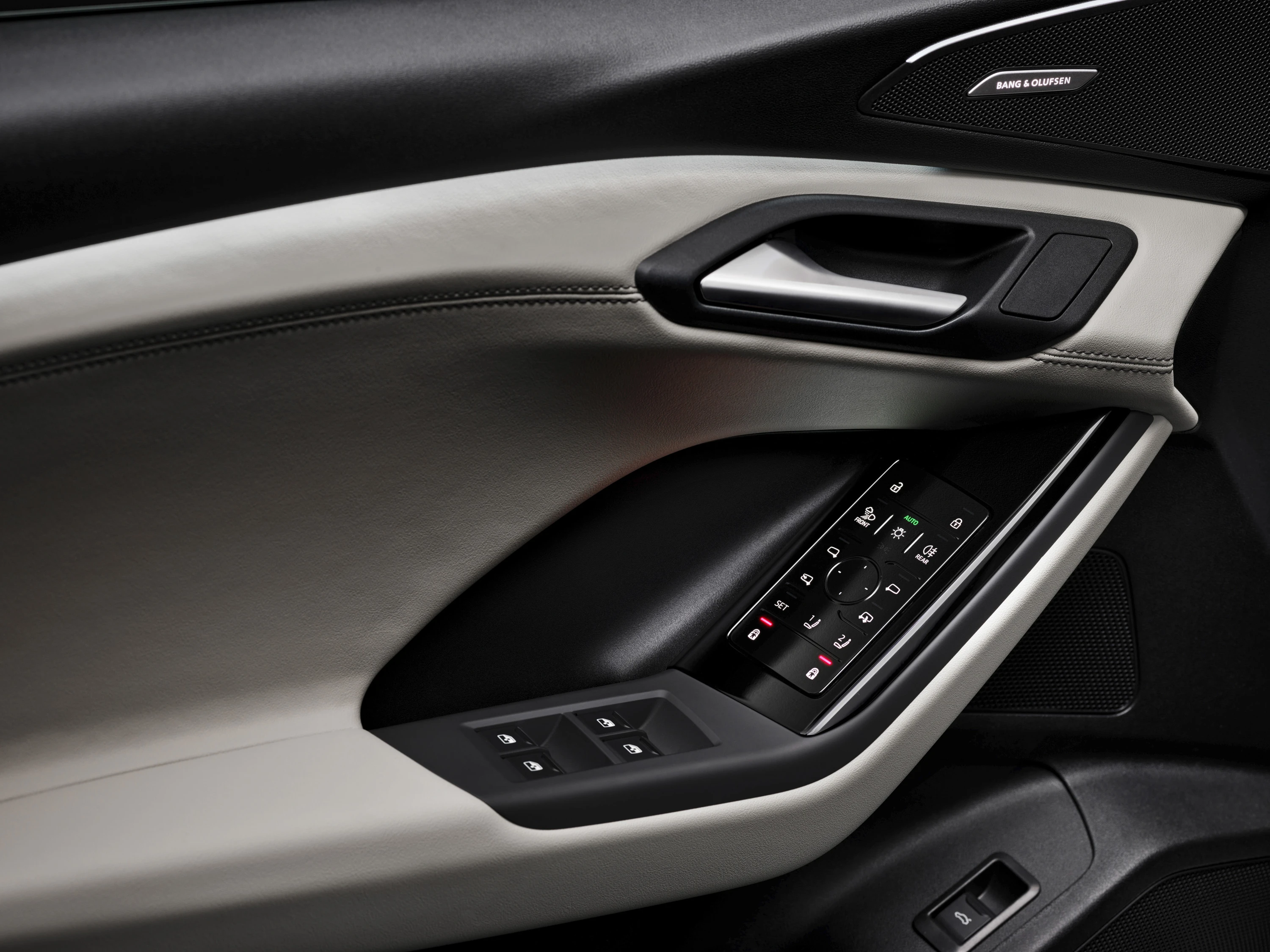
An interior button can be easier to integrate with an e-latch and frameless-window drop, but the manual alternative must not require memory that only the owner possesses. A useful emergency release is:
- visible or clearly marked from the seat;
- reachable while belted or after the belt is released;
- operable without tools;
- understandable in darkness and under stress;
- available at every relevant passenger door;
- protected from accidental use without being hidden.
Tesla’s current Model 3 manual illustrates the distinction. The normal interior button needs low-voltage power; the manual describes separate mechanical releases for power-loss conditions, and the exact rear-door procedure varies by production configuration. This is why buyers and rescuers need model-specific information.
Weather, contamination, and ageing
Cold-weather performance is not one pass/fail property. Ice can bond a handle to the door skin, fill a pocket, block a pivot, prevent a presentation actuator from completing its travel, or freeze the frameless glass to its seal. Road salt and grit can increase friction long after the ice has melted.
Tesla publishes a dedicated procedure for freeing ice from Model 3 handles, evidence that even a purely manual rotating flush handle needs weather-specific design and user guidance.
A credible all-season design provides:
- a gloved-hand grip with enough clearance;
- drainage that does not discharge into another freezing point;
- tolerances and seals suited to dirt and ice;
- a release path independent of the presentation actuator;
- clear instructions that do not require damaging force or tools;
- an accessible low-voltage recovery method.
Heating or preconditioning can help, but it is an assist rather than a substitute for sound geometry and fallback.
Aerodynamics without mythology
Removing a protrusion can reduce local flow separation and wind noise, which is why flush handles appear on many low-drag EVs. The value belongs to the complete body, however. No honest comparison can infer a vehicle’s range benefit from handle shape alone; mirrors or cameras, wheels, ride height, underbody, cooling flow, panel gaps, and rear-end separation all interact.
The right engineering question is proportionality: does the aerodynamic and styling value justify the added mechanism, mass, repair cost, weather sensitivity, and emergency complexity?
China’s GB 48001-2026 changes the baseline
China published mandatory national standard GB 48001-2026, Safety technical requirements for automobile door handles, on January 28, 2026, with implementation beginning January 1, 2027.
The Ministry of Industry and Information Technology says the standard addresses mechanical-release configuration, opening capability, handle location, operating space, interior-handle identification, and operating instructions. Its public explanation specifies a minimum exterior hand operating space of 60 × 25 × 20 mm and mechanical opening from both outside and inside for each applicable passenger door.
The transition is phased. MIIT’s public summary says new vehicles begin compliance on January 1, 2027, and all models remaining in production must comply by January 1, 2029.
This is more precise than saying China has “banned flush handles.” Flush appearance is not the decisive property. A design may remain visually integrated if it provides the required operating space, identification, and mechanical opening. Fully concealed or electronic-only solutions are the ones directly challenged.
What buyers and reviewers should test
Do not stop after watching the handle present itself:
- Identify the normal exterior action and every dependency behind it.
- Ask how the same door is opened outside after low-voltage loss.
- Find the interior mechanical release from each seating row.
- Try the handle with winter gloves and a wet hand.
- Check whether ice can block the grip, pivot, flap, or presentation path.
- Open the door when parked close to a wall; some designs require the door edge as a second grip.
- Confirm that a first-time passenger understands the operation without coaching.
- Read the rescue sheet or owner’s manual for the exact model and production year.
- Ask whether handle or latch replacement requires calibration or painted body parts.
The best handle is not necessarily mechanical, flush, or protruding. It is the one whose normal action is obvious and whose degraded mode has been engineered with equal seriousness.
Sources
- China national standards platform: GB 48001-2026
- China MIIT: Explanation of GB 48001-2026 door-handle requirements
- UNECE: UN Regulation No. 11 — Door latches and hinges
- Tesla Model 3 Owner’s Manual: Doors
- Tesla Model 3 Owner’s Manual: Opening doors with no power
- Tesla Model 3 service guidance: Removing ice from a door handle