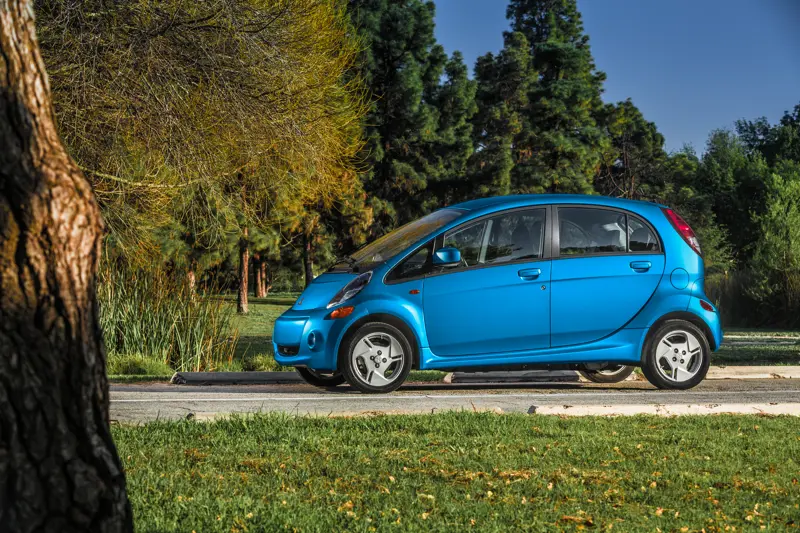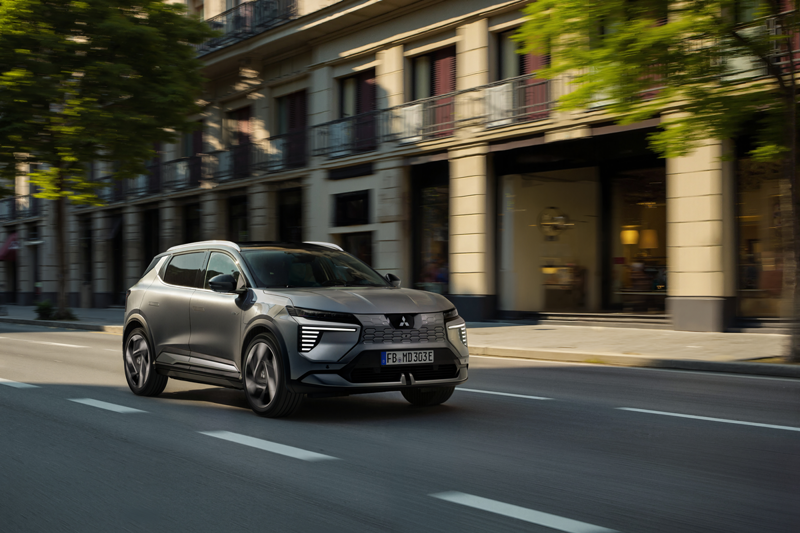
Mitsubishi Motors holds a notable place in EV history as the maker of the i-MiEV, one of the world's first mass-produced electric cars, launched in 2009. However, in the years since, the brand has shifted its focus toward plug-in hybrid technology rather than pursuing a rapid transition to fully electric vehicles, making its current BEV presence relatively limited.
The brand's electrification strategy is heavily influenced by its position within the Renault-Nissan-Mitsubishi Alliance. Through platform sharing and technology collaboration with its alliance partners, Mitsubishi gains access to EV platforms and battery technology without bearing the full development cost independently. This approach allows the smaller automaker to bring electric models to market while managing its R&D investments carefully.
Mitsubishi's strengths in SUVs and crossovers, combined with its established presence in markets across Southeast Asia, Australia, and parts of Europe, give it a clear pathway for future electric models in the rugged, adventure-oriented segments where the brand has strong recognition. The company has indicated plans to introduce new battery electric vehicles later this decade, leveraging alliance platforms.
While Mitsubishi may not be at the forefront of the EV revolution, its alliance partnerships and focused market strategy position it to deliver competitive electric vehicles to its core customer base as the transition accelerates globally.
Mitsubishi has currently {0} all electric models with total {1} variants in the market. Below you find links for each model page.