
Door Handles
Door handles are the user interface between you and the door latch. Their design affects safety, ergonomics, aerodynamics, security, winter usability, and emergency egress.
Ultima modifica: mar 06, 2026title: Door Handles linktitle: Door Handles description: Door handles are the user interface between you and the door latch. Their design affects safety, ergonomics, aerodynamics, security, winter usability, and emergency egress. weight: 3 xsthumb: technology/doors/eqssuvdoorhandle_1_xst.jpg
Door handles are the human interface of the door system. A handle’s job sounds simple—open a door—but modern EVs use everything from classic mechanical pulls to electronic “e-latches” with hidden or flush-integrated hardware. That choice impacts daily usability, efficiency, winter reliability, and—most importantly—how easily occupants and rescuers can open doors after a crash.
Exterior Door Handle Types
There isn’t one “best” handle. Different designs optimize for aerodynamics, styling, security, cost, packaging, or robustness.
Traditional Pull Handles (Protruding)
The classic “grab and pull” design. Most are either directly mechanically linked to the latch (rod/cable) or use a hybrid approach where the pull triggers an electronic release.

Benefits
- Very intuitive and fast (good muscle memory)
- Often works even with power loss (if mechanically linked)
- Generally robust in snow/ice and dirt
- Easy for bystanders or first responders to operate
Trade-offs
- Slight aerodynamic penalty vs flush solutions
- Less “minimalist” styling
Flush Handles (Overview)
“Flush” is a family, not a single design. Flush handles sit close to the door skin to reduce drag and create a cleaner look, but the way you access the grip can vary significantly:
- FlushFixed (fixed flush handle with a pocket/grip)
- FlushFlap (a flap opens to create a grip)
- FlushRotational (the handle rotates to create a grip)
- FlushDeployable / FlushRetractable (a presenting handle that deploys out and retracts back flush)
The subtype matters for winter usability, intuitiveness, and failure modes.
FlushFixed (Fixed Flush Handle)
A fixed, body-integrated flush handle that doesn’t “present” outward. You typically pull from a recessed pocket or grip surface. Suppliers commonly call this a fixed flush handle.
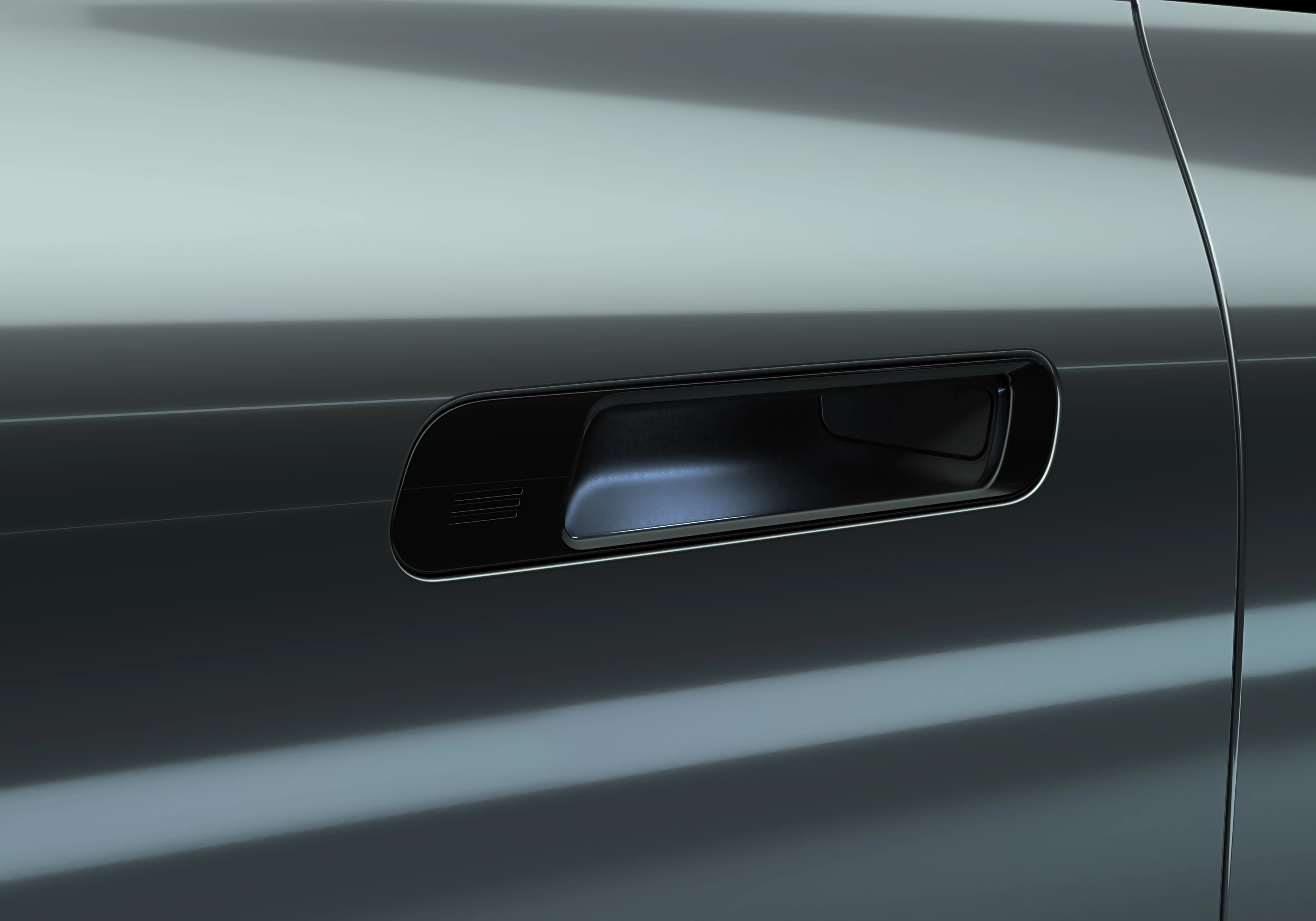
Benefits
- Cleaner styling and reduced drag vs protruding handles
- Fewer moving parts than presenting systems
- Can be designed with a straightforward mechanical fallback
Trade-offs
- Recesses can pack with snow/ice
- Can be harder to locate/operate with gloves if the pocket is shallow
FlushFlap (Flap Opening Flush Handle)
A flush surface where a flap opens to create a grip. Popular on some sports-car concepts because it preserves a very smooth door skin.
Benefits
- Very clean flush appearance
- Clear grip once the flap is open
Trade-offs
- Adds a moving panel that can ice up or trap debris
- If the flap is small or tight, it can be fiddly with gloves
FlushRotational (Rotating Flush Handle)
A handle that rotates out to form a grip. Depending on the design, you may press to initiate the rotation and then pull, or you may be able to pull directly.

Benefits
- Flush appearance with a defined grip once rotated
- Can be more glove-friendly than shallow pockets (design-dependent)
Trade-offs
- Another moving mechanism exposed to freezing and contamination
- “Press then pull” operation may be less intuitive for first-time users
FlushDeployable / FlushRetractable (Presenting / Pop-Out Handles)
A common modern EV solution: the handle deploys (presents) when you approach/unlock and retracts while driving. Some databases call this FlushRetractable; suppliers often describe it as deployable. In practice, both terms usually refer to the same presenting handle behavior.
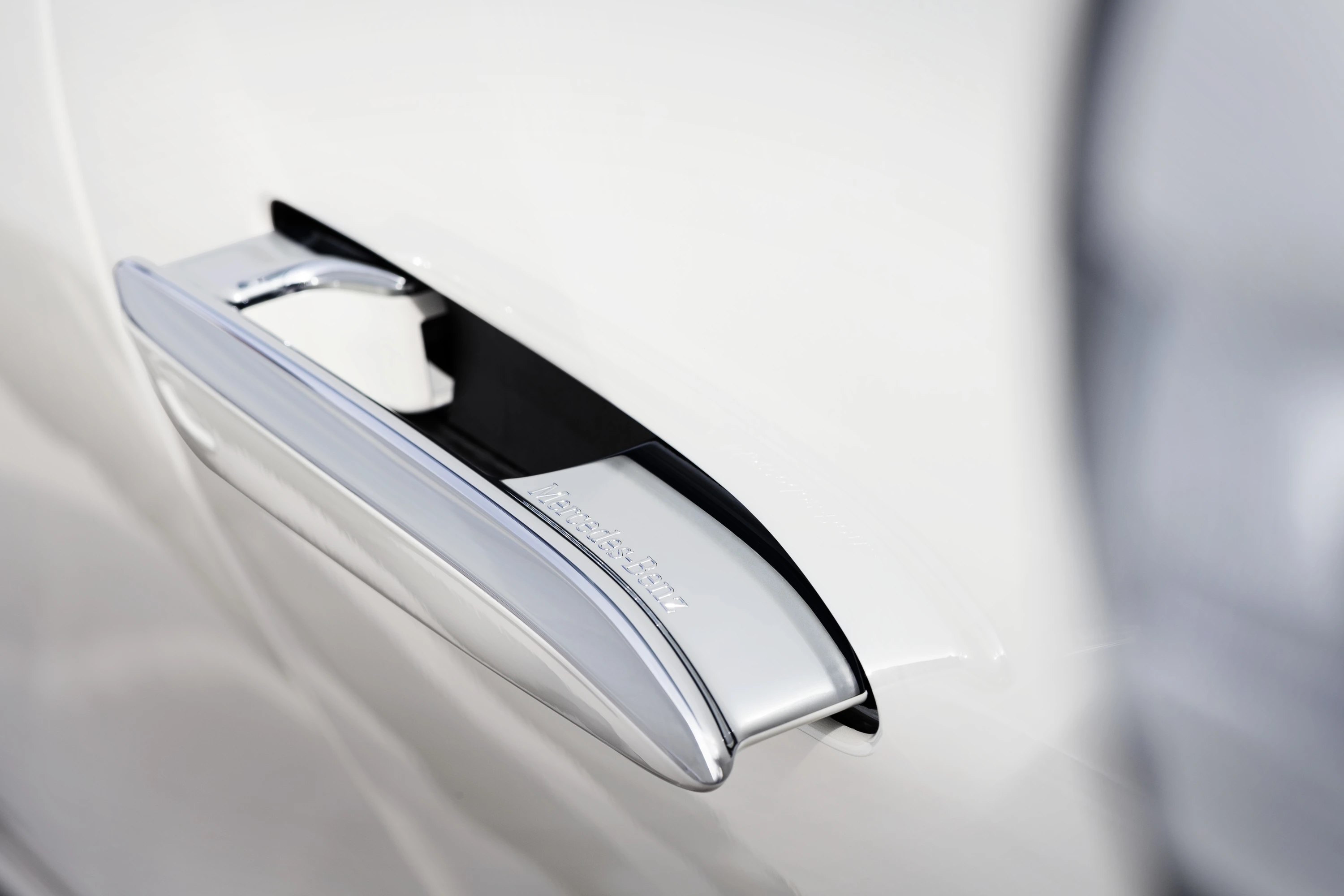
Benefits
- Strong aero + premium look
- Pairs well with keyless entry and security logic
- Can improve day-to-day convenience when it presents reliably
Trade-offs
- Dependence on electronics/actuators
- Susceptible to freezing and contamination
- If power is lost or the system is damaged in a crash, opening from outside can become slower or difficult unless a true mechanical fallback exists
Push-Button / Touch-Panel “Non-Handle” Designs (Button)
Instead of pulling a handle, you press a button/touch area to trigger the latch, sometimes paired with a small edge or hook to pull the door.
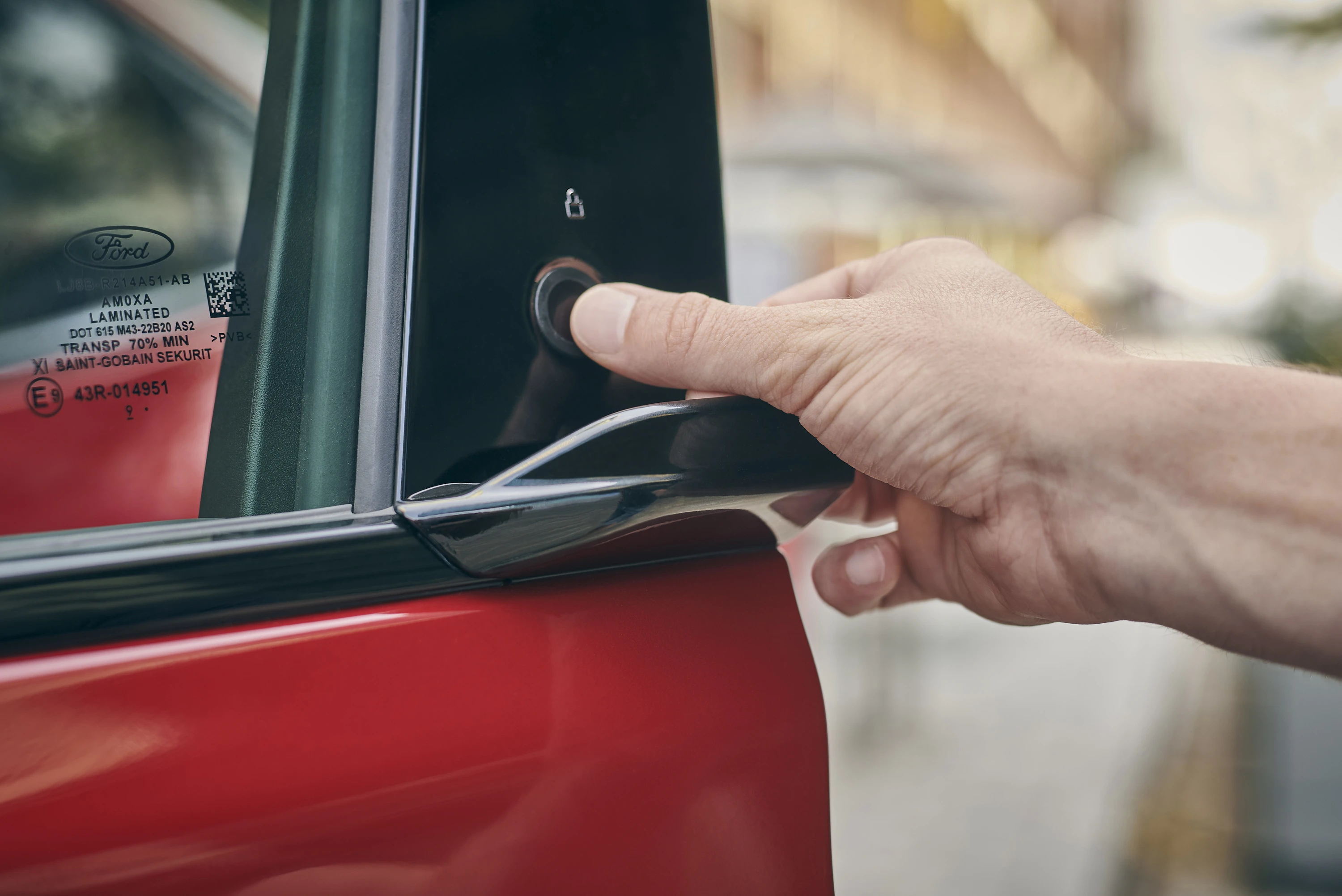
Benefits
- Minimal external protrusion
- Clean integration into body lines
Trade-offs
- Less intuitive for first-time users and bystanders
- In emergency situations, “how do I open this?” can cost time—especially if the system is electronic-only
HiddenCpillar (Hidden Rear Door Handles on Small Cars)
Many small hatchbacks hide the rear door handle in the C-pillar or window surround to create a “3-door look” while keeping the practicality of five doors. This is a styling and packaging choice rather than an aerodynamic one.
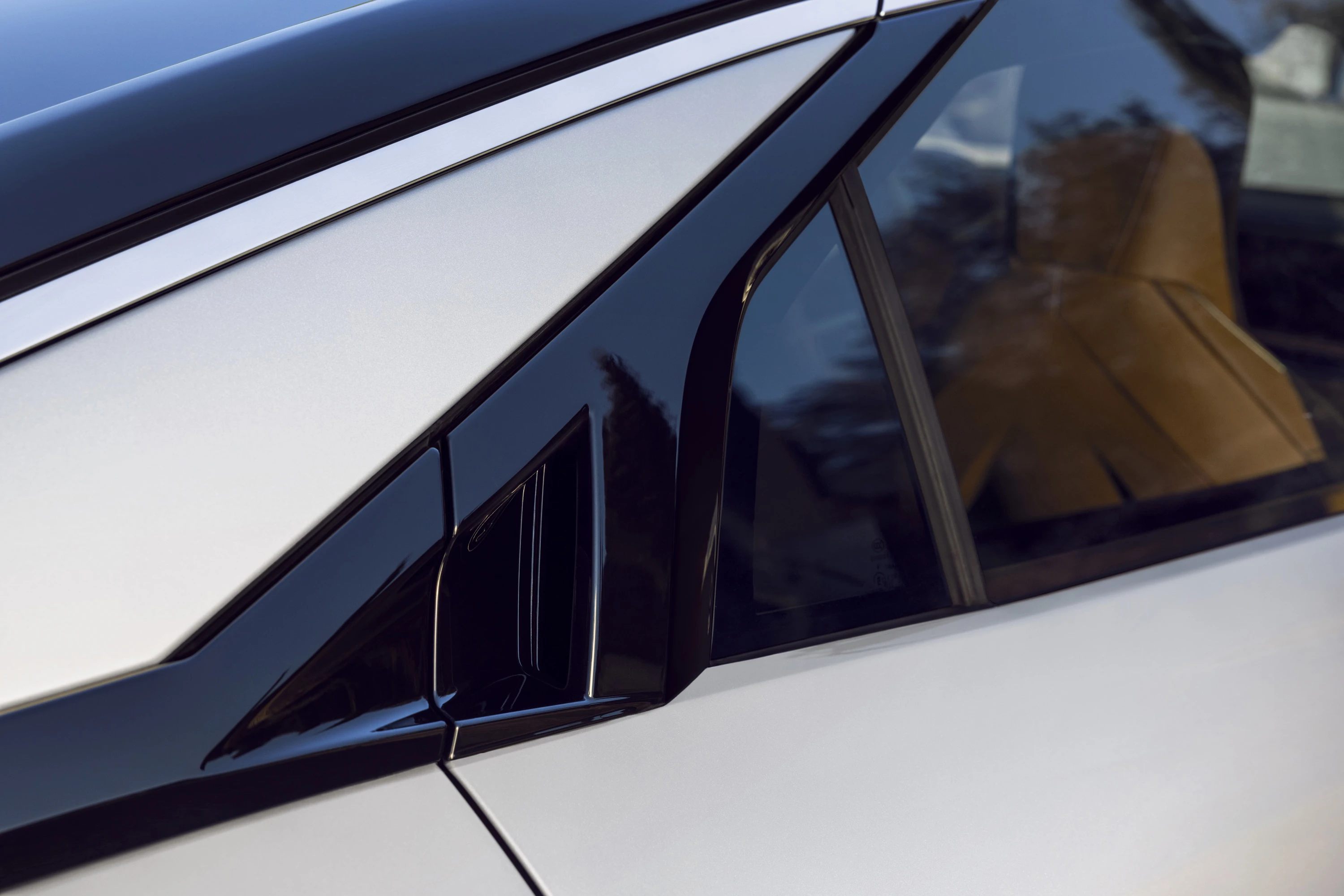
Benefits
- Cleaner side profile; sporty appearance
- Keeps the main door skin visually simple
Trade-offs
- Discoverability: passengers or bystanders may not find the rear handle quickly
- Ergonomics: can be awkward for shorter users or kids
- In low visibility or stress, hidden placement can slow entry/egress—even if the handle is mechanical
How Doors Actually Release: Mechanical vs Electric
Modern door opening typically has two layers:
- the interface (what you touch), and
- the latch mechanism (what releases the striker).
Mechanical Release (Direct Linkage)
A rod/cable connects the handle to the latch.
- Pros: Works without power, predictable, and generally the easiest for emergency scenarios.
- Cons: Packaging constraints and less freedom for some hidden/ultra-flush concepts.
Electric Release (E-latch / “by-wire”)
The handle triggers a switch/sensor; a motor/solenoid releases the latch.
- Pros: Enables sleek handles, smart locking, child-lock logic, soft-close, and easier integration with advanced features.
- Cons: More failure modes (power loss, wiring damage, actuator failure). If the interface is also hidden or non-intuitive, rescue and egress can be delayed unless a clear mechanical backup exists.
Best Practice in Real-World Safety
The safest implementations typically combine:
- a primary convenience release (often electric), plus
- an independent mechanical backup that still opens the door when electronics fail.
Cold Weather & Winter Reliability
Cold, moisture, and freeze-thaw cycles are a major real-world stress test for flush, deployable/presenting, and electronic handle systems. Even if the latch release is electronic, the exterior interface still has moving parts, seams, and cavities where water can freeze.
Common winter issues
- Handle won’t present (deploy/pop out) or won’t return flush
Ice can “bridge” the handle to the door skin or jam the presentation mechanism (motor/gears). - Rotational/flap mechanisms can jam
Ice and packed snow can prevent a flap from opening or a handle from rotating. - Touch sensors don’t register reliably
Thick gloves, wet snow, or a film of ice can reduce sensor reliability depending on the design. - You can’t get a grip
Flush pockets can fill with slush, leaving you nothing to pull. - Electronic-only releases become higher-risk
Cold can coincide with low 12V state or other faults. If the car relies on electronics and the interface is hard to operate when frozen, access and egress can be compromised.
What to look for in a winter-friendly design
- A physical grip point you can use with gloves
- Good drainage and minimal water-trapping cavities
- A clear mechanical opening method (not hidden, not confusing)
- Owner guidance for cold conditions (preheating/defrost logic and recommended techniques)
Interior Door Handles & Emergency Manual Opening
Interior opening matters as much as exterior opening—sometimes more.
Conventional interior pull handle
A visible pull that mechanically (or mechanically-assisted) releases the latch.
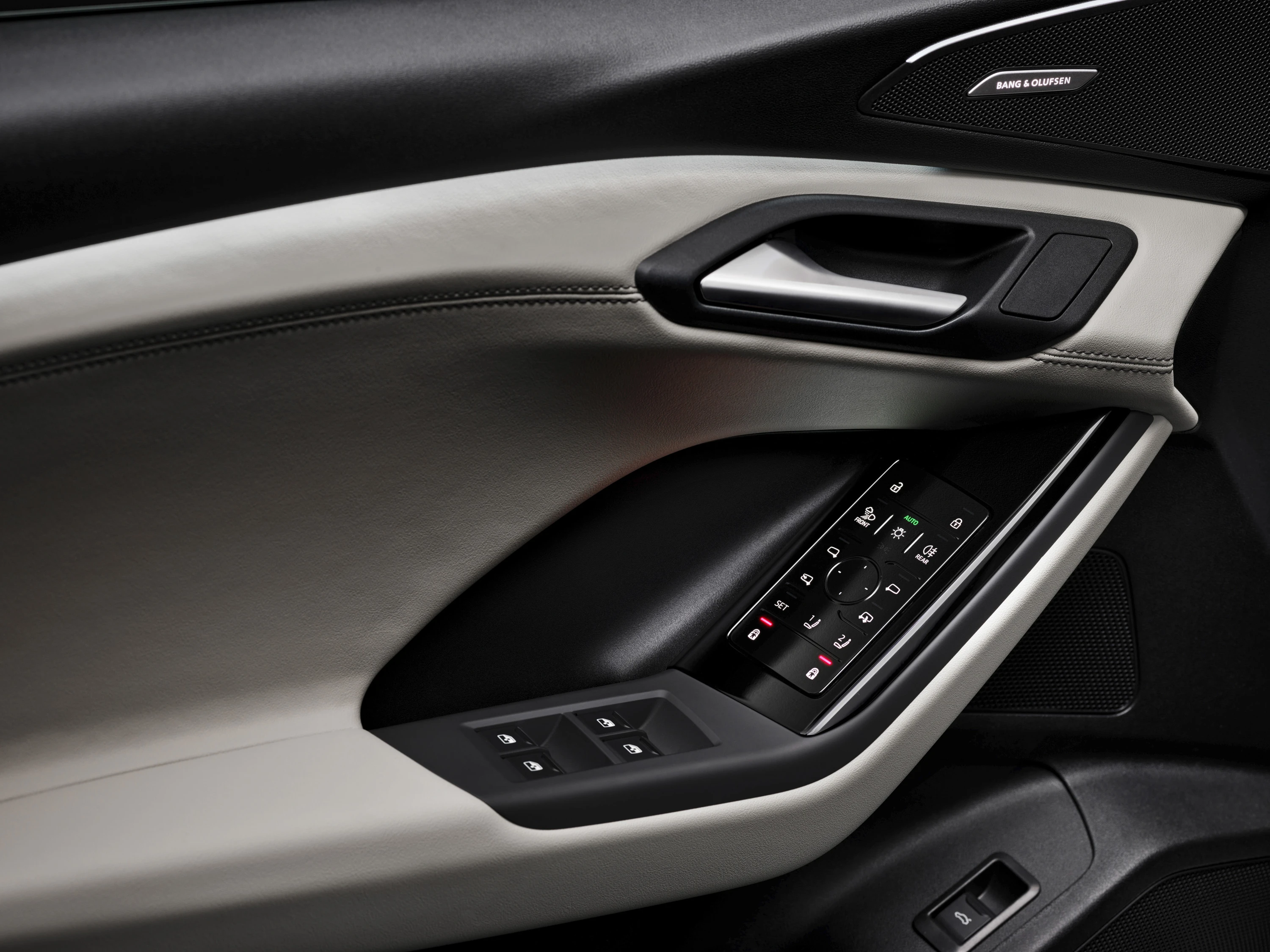
Why it matters
- Under stress (airbags, smoke, panic, low visibility), people rely on instinct and muscle memory.
- A simple pull is faster than searching for a button or hidden lever.
Electronic interior buttons / switches
Some EVs use a button as the primary interior release, with a mechanical pull hidden elsewhere.
Key risk
- In emergencies, passengers may not know where the manual backup is—or may not be physically able to search for it.
- If the obvious control depends on power, egress can be delayed.
Emergency mechanical release (manual override)
A mechanical override is intended to work without power. The best designs make it:
- obvious from a seated position
- clearly labeled
- reachable by all occupants (not just the driver)
- deliberate (to avoid accidental opening), but not a “treasure hunt”
Why China Is Banning Certain Door Handle Designs
China has introduced rules that target electronic-only door handle/door release solutions and designs that can be difficult to operate after a crash or power loss. The core aim is simple: ensure that doors can still be opened mechanically from both outside and inside.
What regulators are trying to prevent
- Power loss after a crash (or damage to wiring/actuators)
- Delayed rescue if bystanders can’t quickly figure out how to open the door
- Trapped occupants if an electronic release doesn’t function
- Confusion with unfamiliar designs under stress (including hidden placements or “non-handle” interfaces)
What the rules generally require
Reporting around the new requirements consistently emphasizes:
- Mechanical exterior opening capability (not purely electronic actuation)
- Mechanical interior opening capability (clear, accessible from a seated position)
- A focus on operability during emergencies and after failures
Timelines reported in international coverage commonly cite January 1, 2027 for new vehicles sold in China, and January 1, 2029 as a compliance deadline for previously approved models.
Spotlight: Volvo EX60 “Wing Grip” Handles (What’s different?)
Volvo’s EX60 introduces a distinct approach with its wing grip handle concept. What matters most is not the styling—but how the system behaves when things go wrong.
Key safety-focused ideas described for the EX60 handle strategy:
- Interior handle logic that combines electronic opening with a mechanical backup in the same pull motion
This reduces “which lever do I use?” confusion under stress. - Redundancy thinking around door access in the event of low or failed 12V power
The goal is to avoid the common weak point of purely electronic release systems.
The EX60 is a good example of where the industry is heading: keeping the clean, aerodynamic interface while engineering a more intuitive, robust emergency path.
Risks & Benefits by Handle Strategy
Deployable/presenting flush handles (FlushDeployable / FlushRetractable)
Benefits
- Best aero potential (small but real efficiency gains at speed)
- Clean styling and “tech” perception
- Can pair with advanced locking/security
Risks
- More single-point failures (presentation motor, switch, wiring, latch actuator)
- Winter icing and contamination sensitivity
- Can confuse bystanders and slow rescue/egress if the primary interface isn’t an obvious pull
Fixed flush variants (FlushFixed / FlushFlap / FlushRotational)
Benefits
- Aero/styling gains without relying on a presenting mechanism
- Often simpler and more robust than deployable handles
Risks
- Recesses, flaps, and rotating parts can still ice up
- Some designs require “press then pull,” which can be less intuitive
Protruding mechanical (Pull)
Benefits
- Highest intuitive usability
- Most resilient to power loss scenarios
- Typically easiest for children, elderly users, and rescuers
Risks
- Styling/aero compromise
- Potentially easier to snag or tamper with (depends on lock design)
Hidden rear handles (HiddenCpillar)
Benefits
- Sporty “3-door look” with 5-door practicality
Risks
- Lower discoverability and potentially slower egress/assistance in edge cases
What to Look for as a Buyer (Practical Checklist)
If you’re evaluating a vehicle with flush, deployable/presenting, hidden, or electronic handles:
- Can you open the door from outside if the car has no power?
- Is the interior manual override obvious and reachable from the seated position?
- Is the manual override clearly explained (labels + owner guidance)?
- Do the handles still work with gloves, rain, and freezing conditions?
- Can a first-time passenger figure it out in under 2 seconds?
In normal use, “cool” handles can be fine. In edge cases—especially winter and post-crash scenarios—clarity and mechanical fallback are what separate convenience features from safety liabilities. **