
Safety
EVs have several safety systems to reduce the risk of damage in the event of an accident.
Last modified: Mar 06, 2026Electric vehicles (EVs) are engineered with a comprehensive set of safety systems designed to protect occupants and reduce the risk of injury in the event of an accident. Beyond the active and passive features found in all modern vehicles, EVs also incorporate safety mechanisms specific to high-voltage battery packs, power electronics, and structural design.
To give readers a complete overview, we also provide a dedicated chapter on EV safety testing, detailing how vehicles are evaluated, the major global test programs, and how consumers can interpret the results.
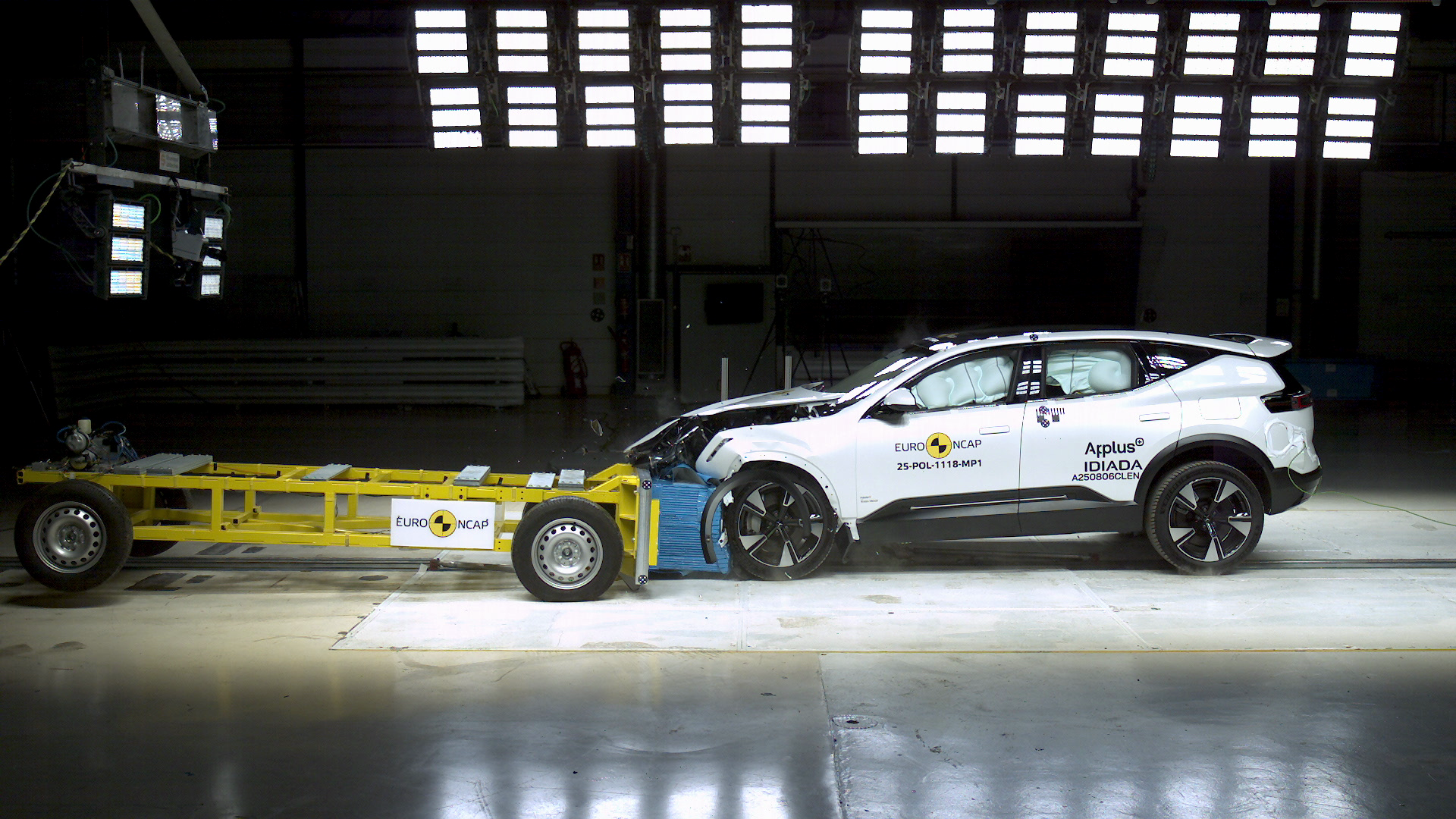
Below you’ll find detailed information on key safety technologies, including structural protection, airbags, and seat belts, along with links to explore each topic further.
Airbags
Airbags are a critical safety feature in electric vehicles (EVs), designed to protect the driver and passengers during a collision or sudden impact.
Seat Belts
Seat belts are essential for ensuring the safety of all occupants in an EV by restraining them during sudden stops or collisions.
Structural Safety Systems
Structural safety systems form the foundation of an EV’s passive protection strategy. These systems include crumple zones, reinforced passenger cells, side-impact structures, and dedicated battery-protection frames. Together, they manage crash forces through engineered load paths to maintain the integrity of the passenger compartment and prevent intrusion into the high-voltage battery.
Modern EVs benefit from highly rigid platforms, multi-material body structures, and advanced crash modeling, making structural safety more effective than ever. This chapter explains how these systems work, why they matter, and how they have evolved over time.
Read all about structural safety systems.
Safety Testing
EV safety is verified through standardized crash tests and laboratory procedures that assess occupant protection, battery integrity, and fire risk in a range of real-world scenarios.