
How We Collect Data
Learn how EVKX.net gathers and verifies electric vehicle data from manufacturers, experts, reviews, and real-world testing.
Last modified: Mar 15, 2026At EVKX.net, accuracy and depth are central to how we present information. The electric vehicle space is evolving quickly, and reliable data is critical for both consumers and professionals. That’s why we take a multi-source approach to collect and verify the technical and experiential information featured on our site.
Here’s how we do it:
Primary Data Sources
🏭 Manufacturer Data
- Official Press Releases: We track manufacturer announcements to capture initial model specs, technology highlights, and strategic updates.
- Model Configurators: We extract detailed technical specifications, options, and feature availability from official online configurators, often across multiple markets.
- Direct Communication with OEMs: We frequently contact press representatives and product experts at automotive manufacturers. We don’t just ask general questions—we send detailed, technical queries to clarify grey areas, confirm configurations, or understand how specific features work.
Expert and Community Insights
🎥 Trusted Reviewers
We closely follow content from well-known EV reviewers such as:
- Bjørn Nyland
- Autogefühl
- Out of Spec Reviews
- ...and many others
These creators often go beyond surface-level reviews. Their content provides valuable insight into real-world range, charging behavior, thermal performance, software quirks, and feature availability—details often missing from official sources.
👥 Owner Feedback
Electric vehicle owners are often the best source of practical, long-term insights. We actively monitor:
- Social media groups
- Online forums
- Owner clubs
This helps us understand regional variations, software updates, feature inconsistencies, and undocumented behaviors across models.
Independent Testing and Verification
🚗 Hands-On Vehicle Access
When possible, we borrow EVs directly from manufacturers to test and validate features ourselves. This allows us to:
- Confirm system functionality and performance
- Assess software UX
- Measure real-world capabilities (e.g., charging curves, thermal management behavior, regen modes, etc.)
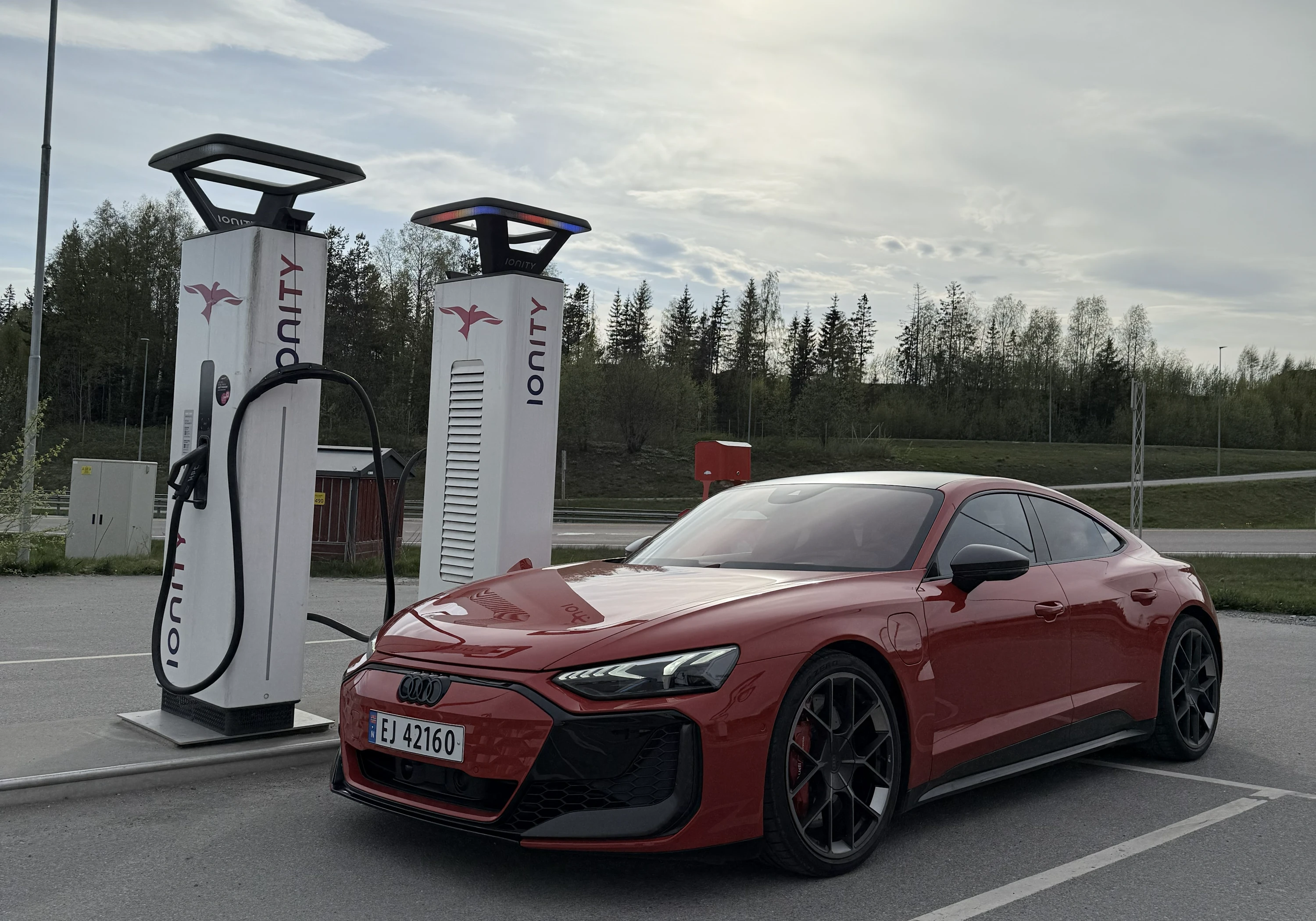
These tests help us identify discrepancies between official claims and actual behavior.
Platform-Based Data Consistency
Many modern EVs are built on shared platforms with common battery packs, power electronics, and charging systems. When multiple models or variants share these core components, we often apply consistent performance data across them—especially for metrics like charging speed, battery thermal behavior, and drivetrain efficiency.
For example:
- Models built on the Audi/Porsche PPE platform often share the same battery architecture and charging characteristics.
- Vehicles using the Volkswagen MEB platform with the same battery configuration typically show identical charging curves and efficiency profiles.
In these cases, we consolidate data to reflect known consistency between models, while still noting any variations where applicable—such as differences in aerodynamics, software calibration, or tire configurations.
Help Us Keep Data Accurate
Despite our efforts, the EV industry changes fast—and errors can occasionally slip through. If you spot inaccurate or outdated data, we’d love your help correcting it. Here’s how you can contribute:
- 📧 Email us at feedback@evkx.net
- 📘 Message us on Facebook
- 💼 Reach out via LinkedIn
- 🛠️ Create an issue in our GitHub backlog
Every correction strengthens the quality of EVKX.net. Thank you for helping us build the most reliable EV knowledge base available.