chasingcars
1487 avis
🇬🇧
English
Visiter sur YouTube
Chasing Cars: independent Australian car reviews with practical EV coverage
Chasing Cars is an Australian automotive review website and YouTube channel focused on independent car reviews, comparisons, news, and buying advice. It is not an EV-only channel; it covers electric cars, hybrids, plug-in hybrids, petrol and diesel vehicles, SUVs, utes, performance cars, family cars, and mainstream models. For EV viewers, this makes Chasing Cars useful because electric cars are reviewed in the same real-world Australian buying context as the other vehicles consumers may be considering.
The channel is best suited to Australian car buyers who want detailed, practical, and locally relevant reviews. Chasing Cars describes itself as producing Australia’s most independent car reviews, and its website says the platform is powered by Budget Direct Insurance rather than advertising or sales revenue from car manufacturers. That editorial positioning is important for viewers who want reviews that feel less dependent on manufacturer advertising relationships.
Chasing Cars was founded by Tom Baker, who was editor from 2013 to 2024 and continues to contribute to the platform. Baker is known for data-driven, impartial road tests and for analysing how the car industry responds to car buyers. The current editorial team includes Jez Spinks as editor, Curt Dupriez as deputy editor, John Law as road test editor, and several other journalists, contributors, videographers, and production staff. This gives Chasing Cars the feel of a proper editorial team rather than a single-presenter YouTube channel.
For EV coverage, Chasing Cars is pragmatic rather than specialist or advocacy-led. Electric cars are treated as serious mainstream vehicles, but they are reviewed against the same buyer-focused standards as other cars: price, range, charging, efficiency, practicality, comfort, ride quality, safety, equipment, warranty, and value. This is especially useful in Australia, where charging infrastructure, long-distance driving, hot weather, towing needs, and local pricing can make EV ownership feel different from Europe or China.
A major strength of Chasing Cars is comparison testing. The channel has published broad EV comparison content, including testing multiple electric cars to exhaustion and large-scale EV comparison videos looking at driving range, charging performance, and overall appeal. This kind of content is particularly valuable for viewers who want to compare electric cars under Australian conditions rather than rely only on manufacturer claims or overseas reviews.
The channel’s geek level is moderate. Chasing Cars covers important EV topics such as battery size, range, charging speed, efficiency, real-world energy use, warranty, drivetrain performance, and usability, but it is not primarily a deep technical EV channel. Viewers looking for detailed charging-curve graphs, thermal-management analysis, battery chemistry, diagnostics, or repeated 1,000 km tests will usually need more specialist EV sources. Chasing Cars is strongest when explaining how an EV works as a complete car for Australian buyers.
Chasing Cars also has a strong interest in new entrants to the Australian market, including Chinese EVs and plug-in hybrids. Recent visible content includes coverage of models such as the BYD Atto 1, Zeekr 7X, Kia EV4, and future Nissan EVs. This makes the channel useful for buyers trying to understand fast-changing brands and models that may be unfamiliar but increasingly important in Australia.
The EV stance can be described as neutral to mildly EV-positive, with a strong consumer focus. Chasing Cars does not appear to approach EVs from an anti-EV perspective, but it also does not treat electric cars as automatically superior. Hybrids, plug-in hybrids, petrol, and diesel vehicles are still reviewed seriously. That makes the channel useful for viewers who are open to EVs but still deciding which powertrain best fits their budget, driving pattern, and charging access.
Production quality is professional, clear, and publication-led. The videos are usually structured around road-test journalism rather than spectacle, with a focus on explaining the vehicle, showing how it drives, and giving a reasoned verdict. The channel is less entertainment-heavy than some larger YouTube car brands, but it is polished enough to feel like a serious Australian automotive media outlet.
The wider Chasing Cars website adds value beyond YouTube. It includes reviews, comparisons, news, guides, and search tools aimed at helping Australians find their next car. This makes the YouTube channel part of a broader consumer-information platform rather than just a video review feed.
The main limitation for EV-focused viewers is that Chasing Cars is not dedicated solely to electric vehicles. It does not usually provide the depth of EV-specific testing found on channels focused entirely on charging curves, battery behaviour, winter range, public-charging reliability, or long-distance EV travel. Its Australian focus is also both a strength and a limitation: Australian buyers get highly relevant local information, while international viewers may need to adjust for different prices, specifications, incentives, and charging infrastructure.
Overall, Chasing Cars is a strong Australian source for practical car reviews with increasingly useful EV coverage. It is especially valuable for buyers who want electric cars assessed alongside hybrids, plug-in hybrids, petrol SUVs, diesel utes, and other real alternatives in the Australian market. It is not the most technical EV channel and not an EV-only outlet, but it is one of the more useful general automotive channels for understanding how EVs fit into real Australian buying decisions.
Derniers avis
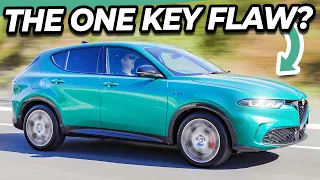
Is This Hybrid SUV Better Than an Audi Q3? (Alfa Romeo Tonale 2023 Review)
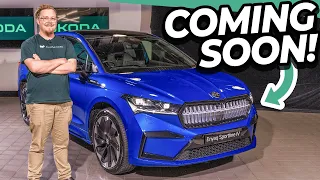
Details: Skoda’s First EV Is Launching Soon! (Skoda Enyaq Sportline 2024 Walkaround Review)
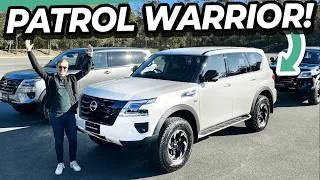
Driving The Most Hardcore Factory Y62! (Nissan Patrol Warrior 2023 Review)
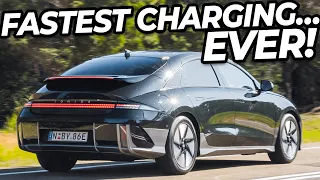
Score! The Cheapest Ioniq 6 Is The Best! (Hyundai Ioniq 6 RWD 2023 Review)
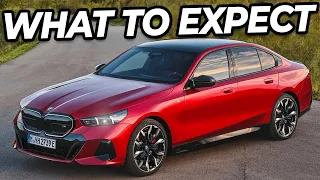
Is i5 Better Than a Tesla Model S? (BMW i5 M60 2023 Full Tour, Specs & Release Date)
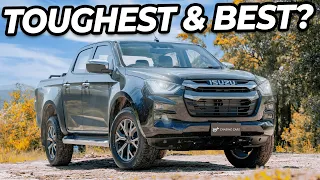
Is the Updated D-Max A Solid Ranger Rival? (Isuzu D-Max Ute / Bakkie 2023 Review)
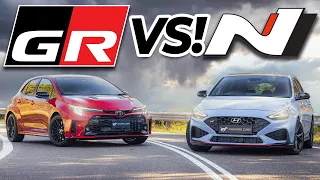
Which Hot Hatch Is More Fun? Surprising Results! (Hyundai i30 N vs Toyota GR Corolla 2023 Review)
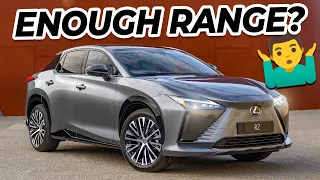
Lexus RZ450e 2023 review: leather-free EV handles well, but does it have enough range?
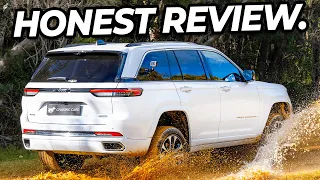
Hard Truth: For $100K+ This Isn’t Good Enough (Jeep Grand Cherokee 2023 Review & Off-Road Test)
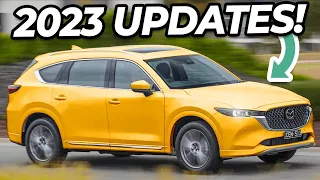
This 7-Seat SUV Is Good Value, But It’s Getting Older (Mazda CX-8 2023 Review)
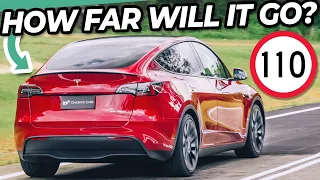
Tesla Model Y Performance Range Test 2023: Realistic Road Trip
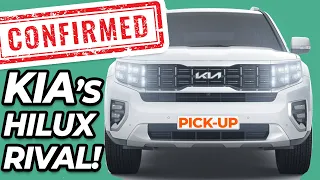
Kia Ute / Pick-Up Details! Release Date, Diesel & Specs Confirmed for HiLux & Ranger Rival
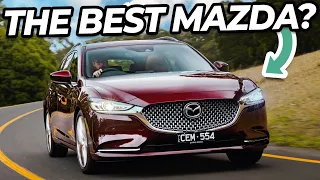
Is This The Best-Looking Family Car? (Mazda 6 20th Anniversary Turbo 2023 Review)
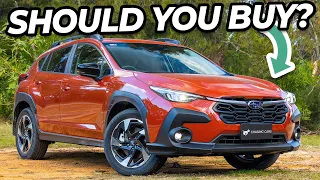
This New SUV Is Comfy & Capable Off-Road! (Subaru Crosstrek 2023 Review + AWD Test)
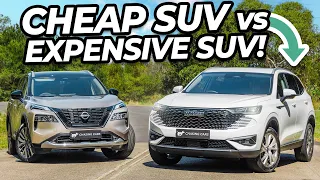
Can A Cheap Hybrid SUV Beat A Pricier Rival? (Haval H6 vs vs Nissan X-Trail E-Power 2023 Comparison)
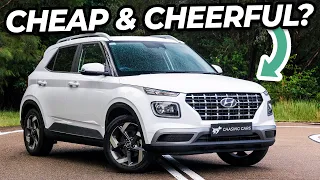
Is The Cheapest New Hyundai A Good-Value SUV? (Hyundai Venue 2023 Review)
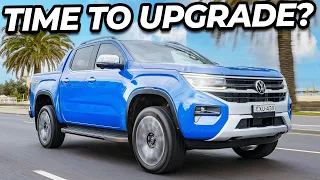
Would You Buy the Diesel V6 or Turbo Petrol? (Volkswagen Amarok Aventura 2023 Review)
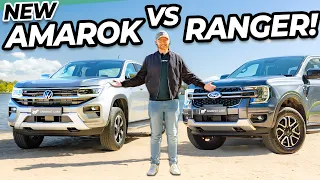
World’s First Comparison: Amarok vs Ranger 2023! Which Is Best & How Different Is The Volkswagen?
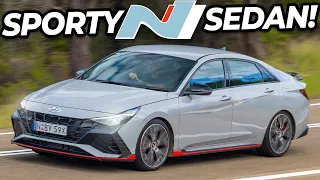
Hyundai N is Going Electric…Except THIS Model (Hyundai i30 Sedan N / Elantra N 2023 Review)
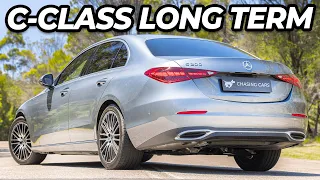
Mercedes-Benz C200 Long-Term Review: What We Loved (And Didn’t) After 6 Months
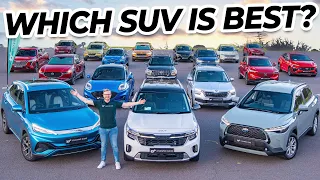
Best Small SUV: Ultimate Comparison of 18 Crossovers Under $50K! | Chasing Cars
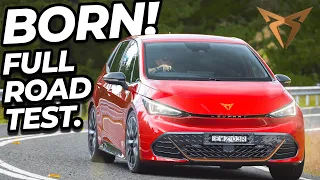
This EV Has A Secret Weapon: It’s Fun to Drive! (Cupra Born 2023 Review)