
Glass Roofs: Design, Heat Control, Safety, and Smart Glass
Glass roofs can bring more daylight into the cabin and give rear-seat passengers a wider view, but roof size alone says little about comfort or engineering quality. The useful questions are whether the roof opens, how the glazing manages light and heat, what happens when switchable glass loses power, and how the complete system affects headroom, weight, noise, safety, and repair.
Fixed, opening, and split roof layouts
The terms sunroof, moonroof, and panoramic roof are used inconsistently. Roof-system suppliers instead distinguish between fixed panoramic roofs, opening panoramic roofs, and smaller sunroofs. The marketing name does not establish the clear opening, number of panels, or whether an opaque blind is fitted. Webasto: Fixed and opening passenger-car roof systems
- A fixed glass roof is bonded into the body and does not ventilate the cabin. It can be a single pane or several separate panes.
- An opening glass roof slides, tilts, or combines both movements. The visible glass area can be much larger than the opening through which air passes.
- A split roof uses separate panes, often divided by a structural cross-member.
- A panoramic windshield roof extends the windshield above the occupants and may add a separate rear pane.
Smaller opening roofs
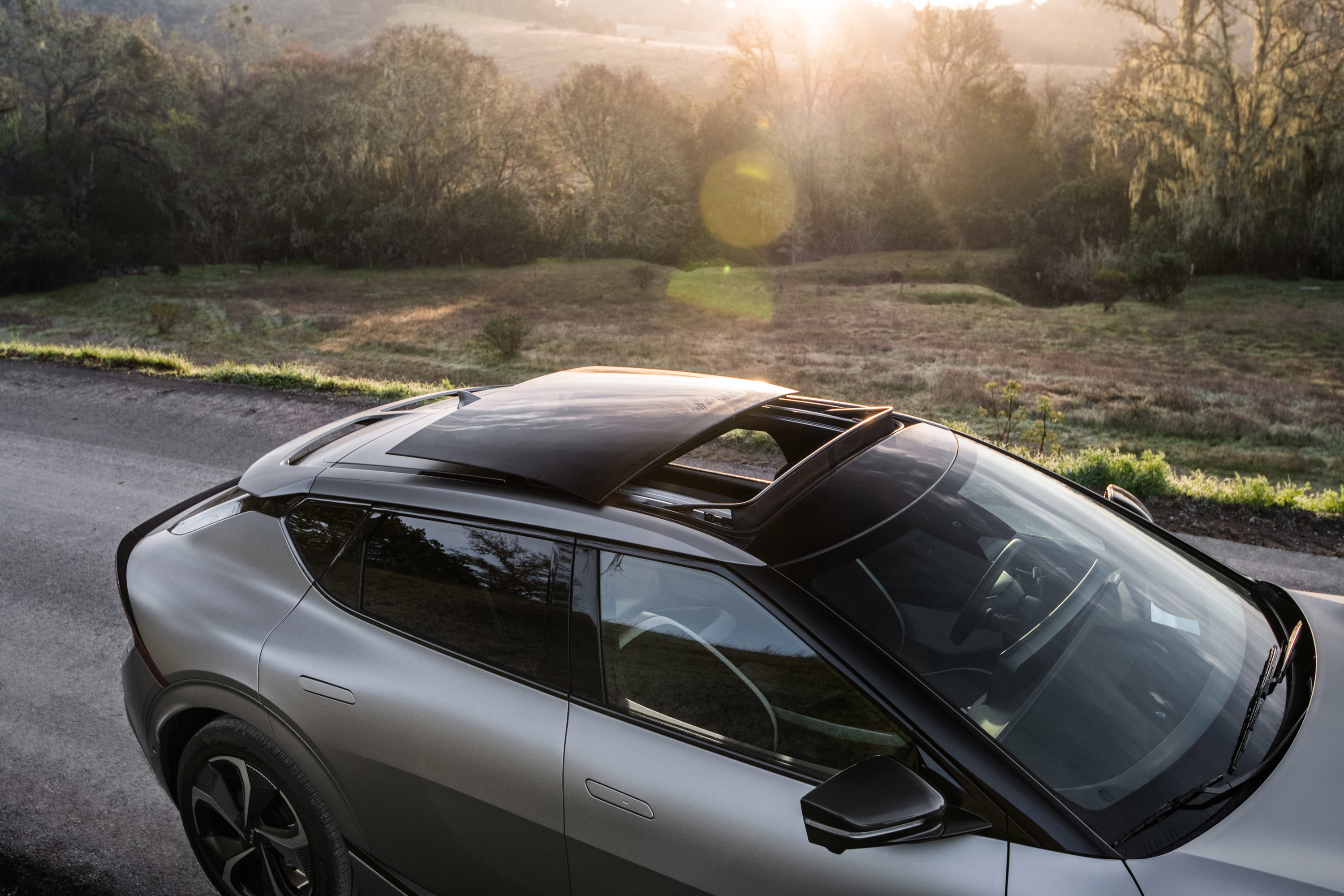
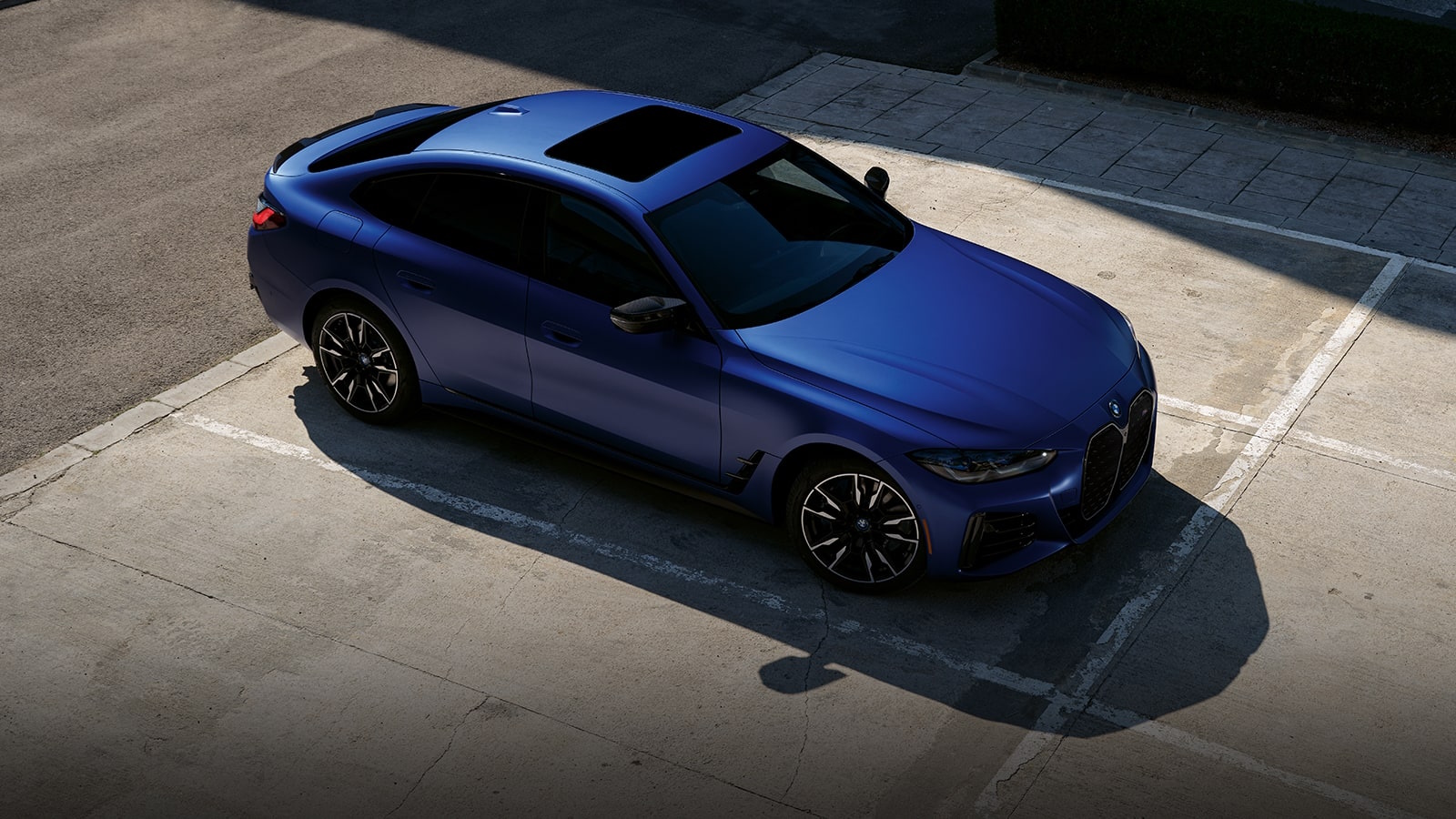
A compact opening panel above the first row can provide ventilation without replacing most of the metal roof. This layout remains available on current vehicles; it is not limited to cars from the 1980s and 1990s.
Opening panoramic roofs
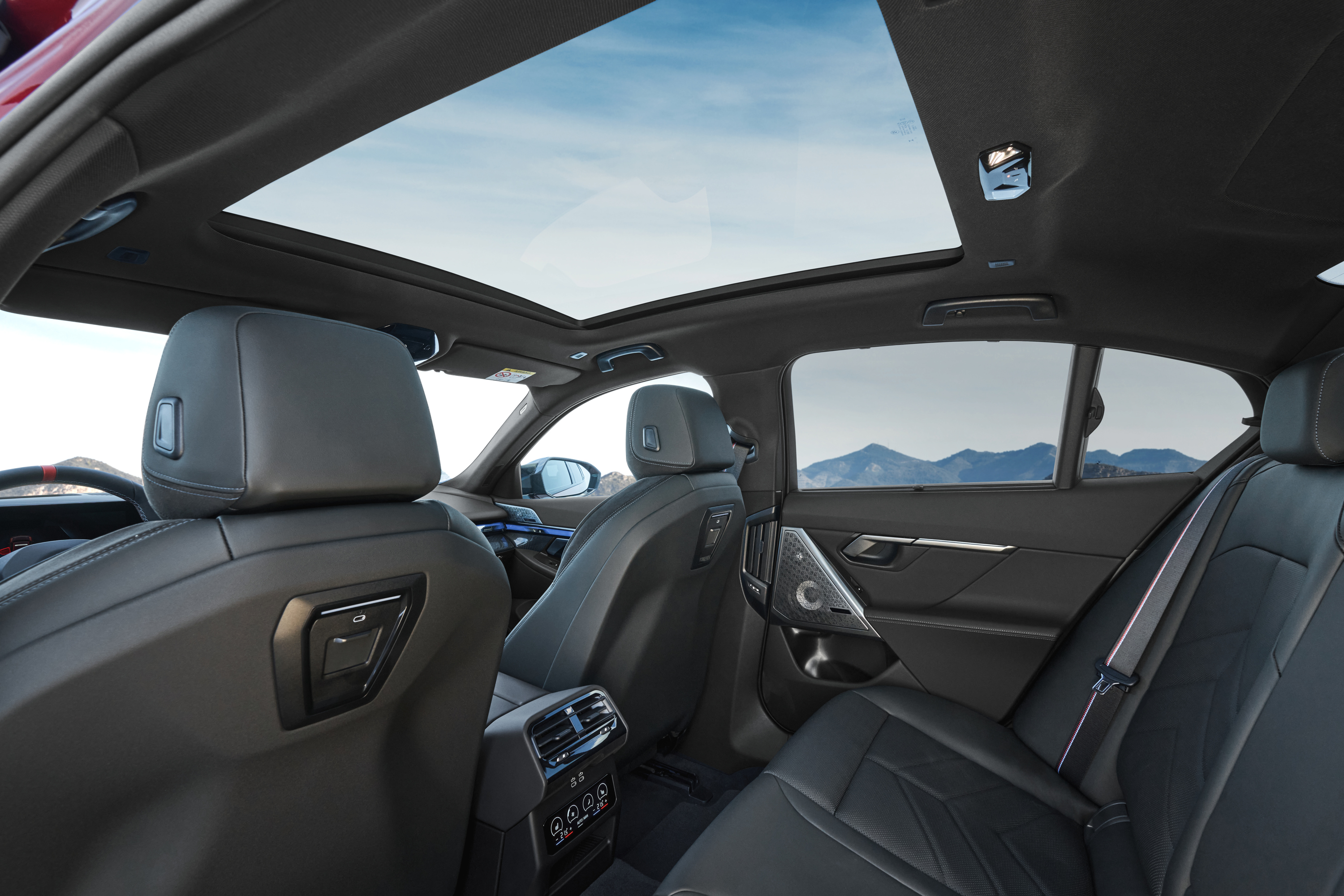
An opening panoramic roof commonly combines a movable front pane with a fixed rear pane. Tracks, a motor, seals, drains, and a wind deflector must fit around the opening.
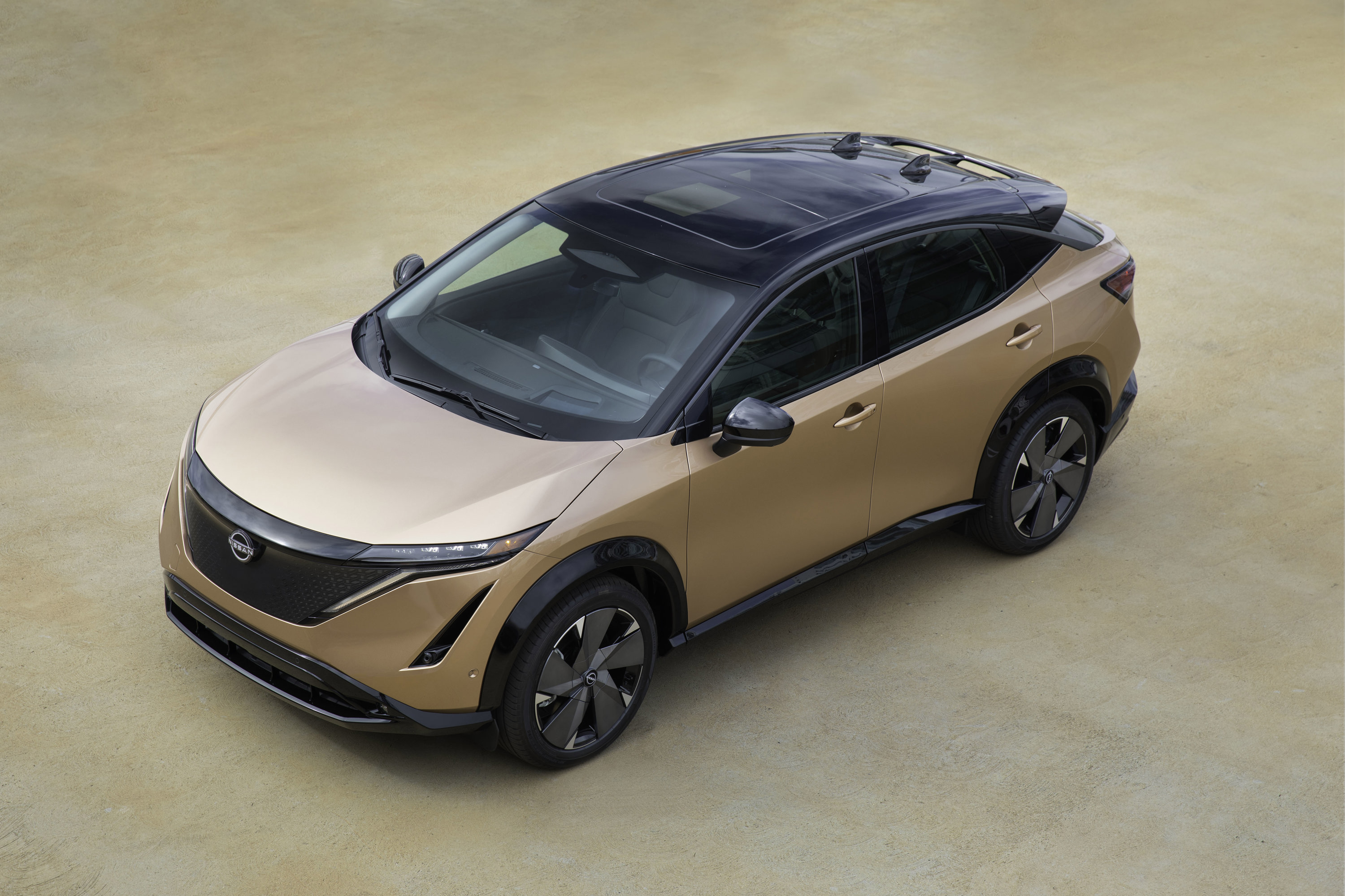
Nissan Ariya panoramic roof with front opening
Fixed panoramic roofs
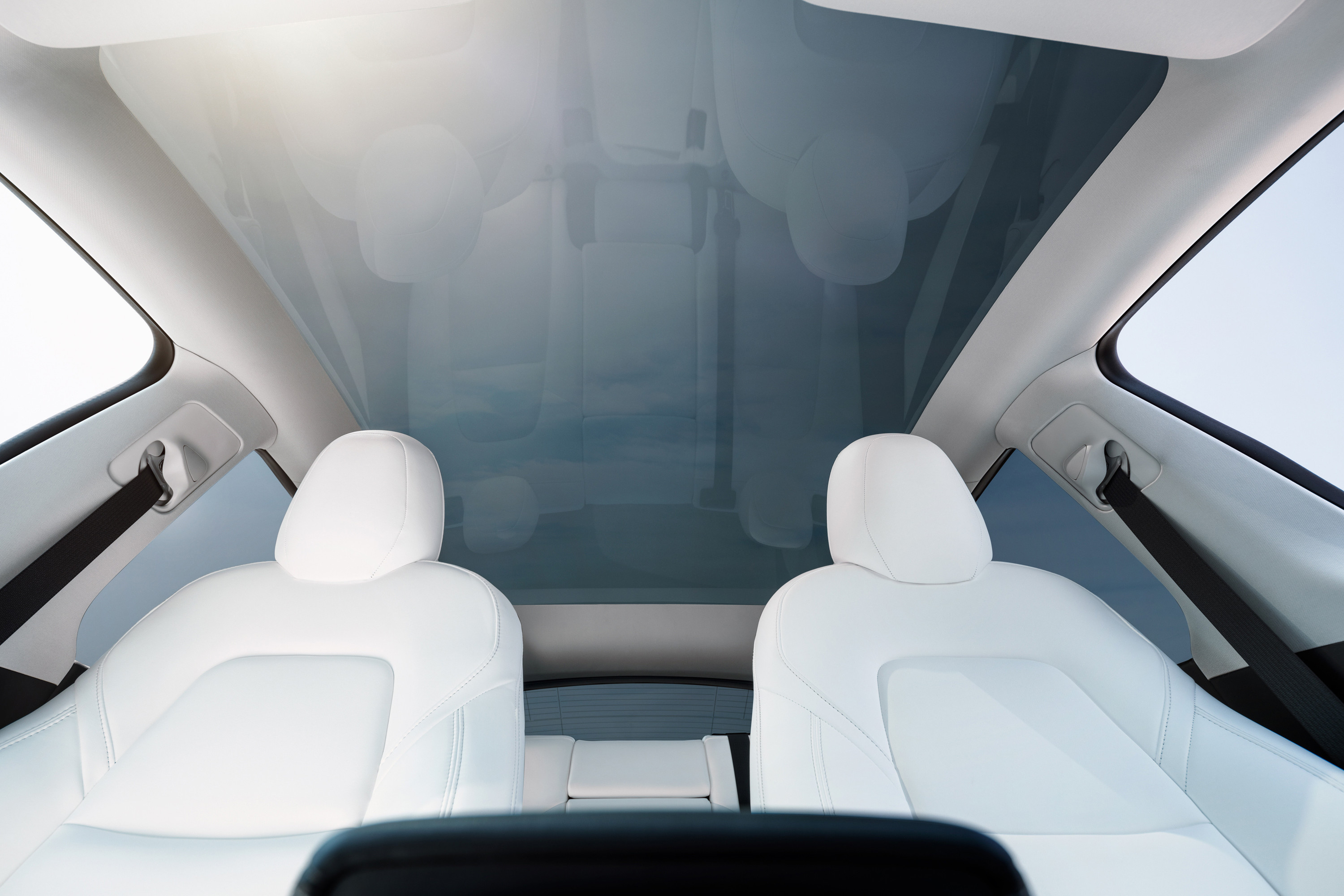
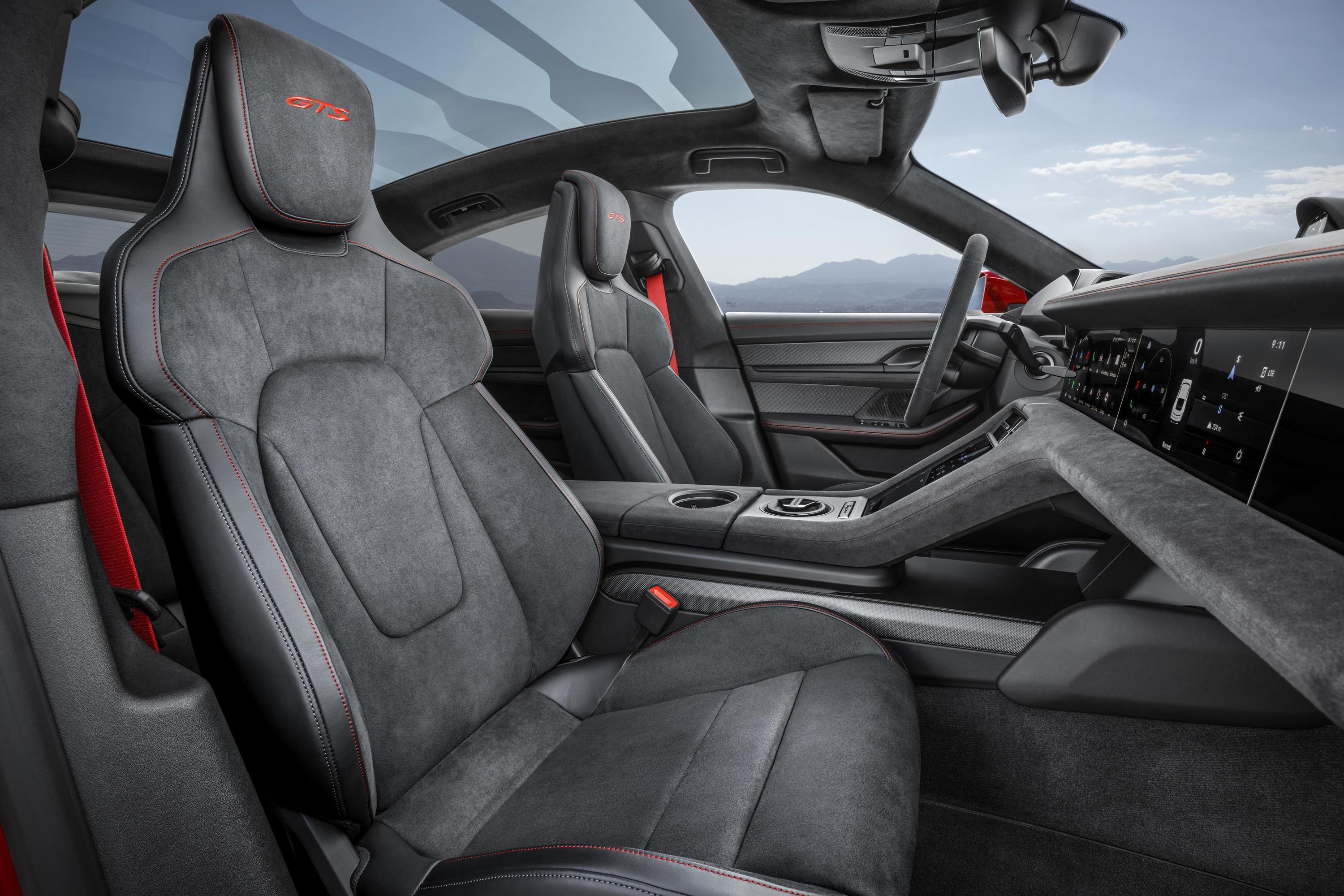
A fixed roof removes the opening mechanism and its moving seals. It cannot provide ventilation, but it can create a large uninterrupted glazed area.
Split glass and extended windshields
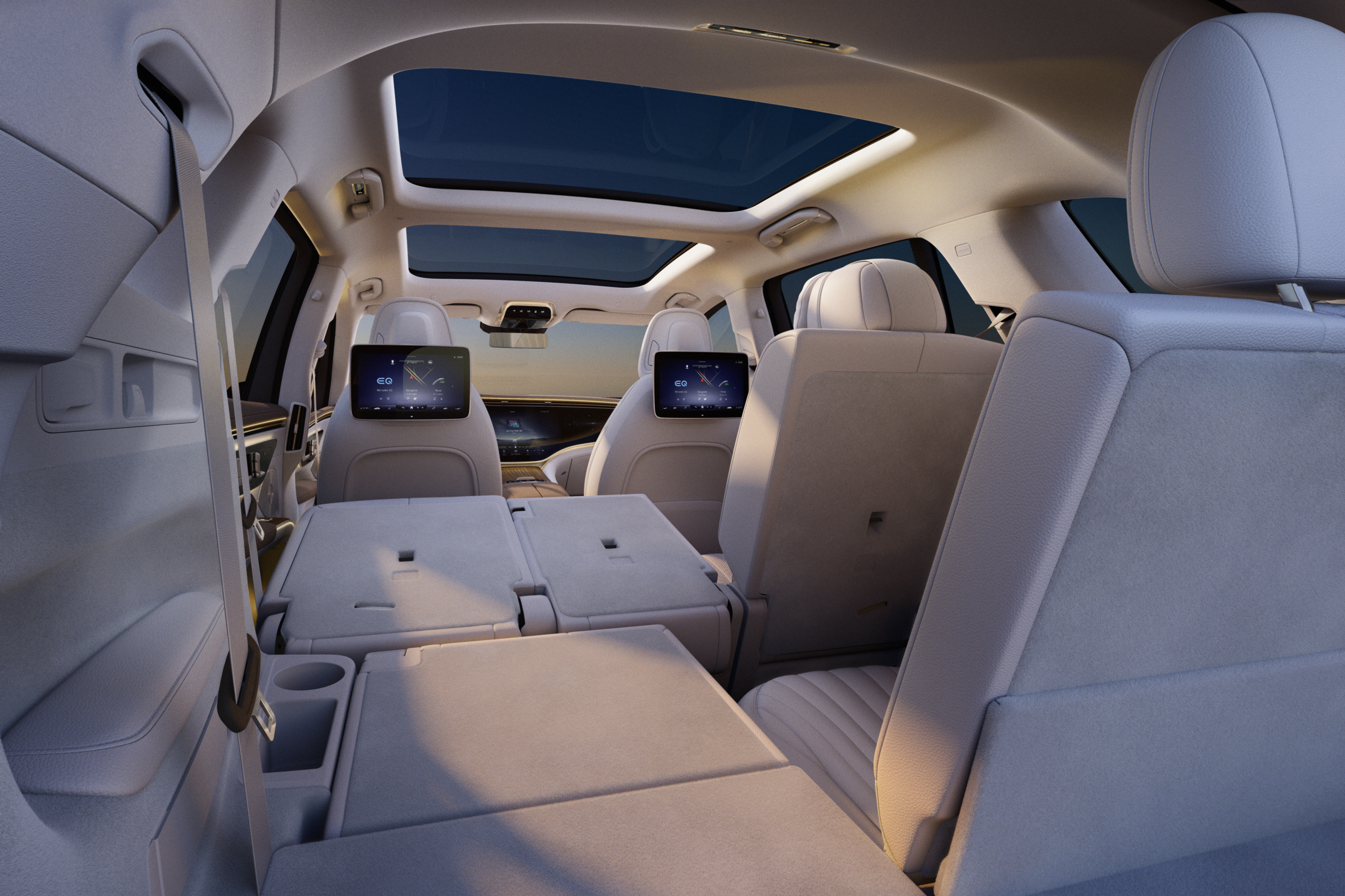
Separate panes can preserve a cross-member between the seating rows or let the manufacturer tailor the view and shading for each row.
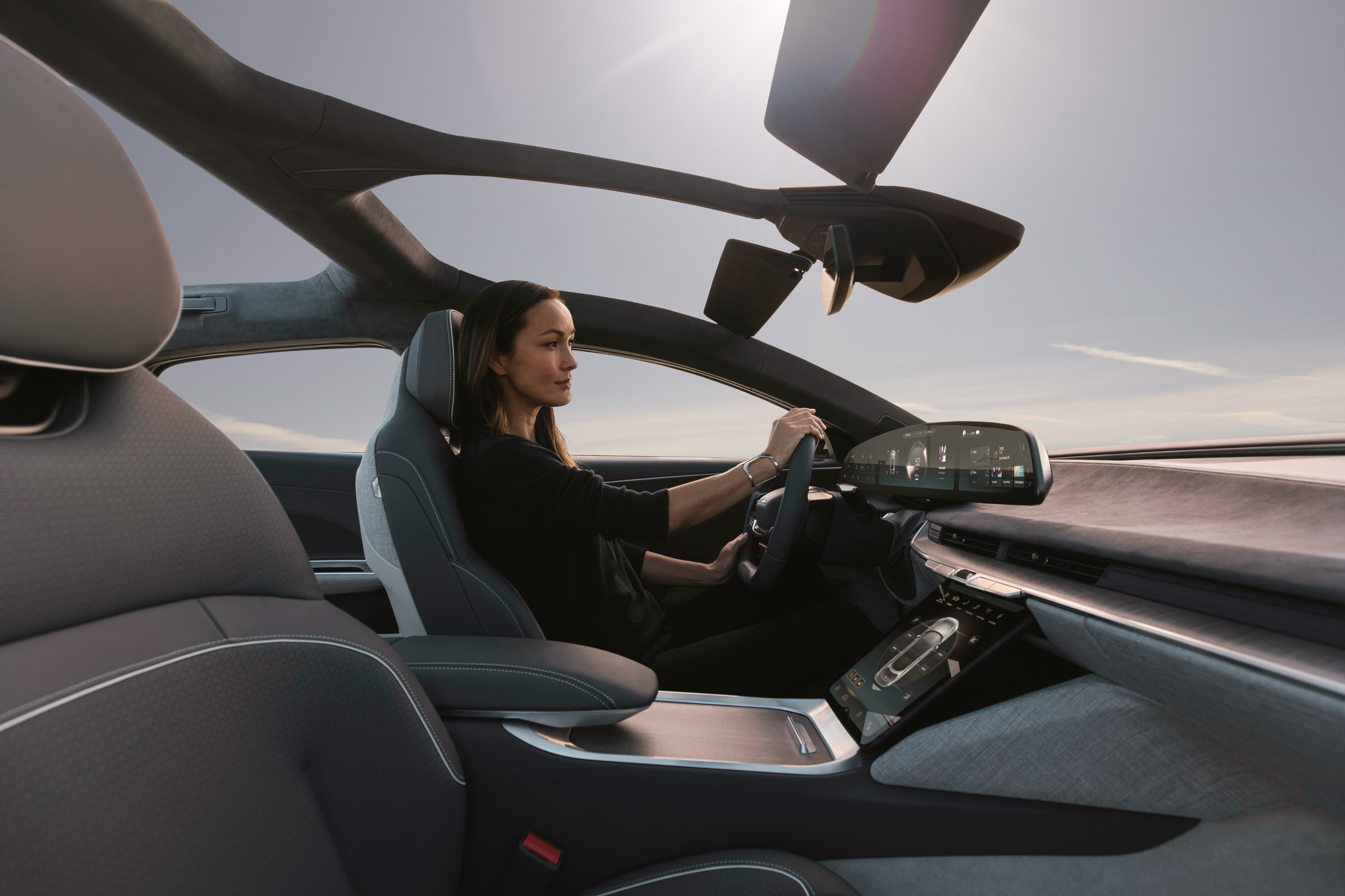
Some vehicles extend the windshield high above the front occupants and use another glass panel behind it. This creates different solar exposure from a conventional pane over the seats.
What the glass actually does
A roof pane is automotive safety glazing, not ordinary architectural glass. UN Regulation No. 43 defines and tests several glazing types and covers fragmentation, mechanical strength, impact behavior, and resistance to temperature change, radiation, humidity, abrasion, and chemicals. UNECE: UN Regulation No. 43 — Safety glazing
The claim that every glass roof is laminated “like a windshield” is too broad:
- Toughened glass is a single pane heat-treated to increase strength and control how it fragments.
- Laminated glass bonds two or more glass layers with plastic interlayers. The interlayer can retain broken fragments and can also carry acoustic, solar-control, or switchable functions.
The construction depends on the vehicle, pane position, market, and roof design. Neither type is unbreakable. A chip or crack should be assessed using the manufacturer’s repair information because the pane, adhesive, frame, seals, and nearby mechanisms form one assembly.
Light, UV, and heat are different
Three effects are often collapsed into the word tint:
- Visible-light transmission determines cabin brightness and glare.
- Ultraviolet transmission matters for skin exposure and material fading.
- Solar-energy transmission determines how much solar energy reaches or is re-radiated into the cabin as heat.
A dark pane may reduce glare without providing the same heat rejection as a purpose-designed solar-control coating. Strong UV protection also does not establish infrared or total solar-energy performance.
Solar-control coatings can reflect infrared energy before it enters the cabin. AGC gives one product example rather than a universal result: 30% solar-energy transmission versus 55% for the compared tinted green glass. A production vehicle’s result depends on roof area, coating, tint, cabin, weather, and test method. AGC Automotive: Infrared-reflecting automotive glass
A low-emissivity, or low-e, surface controls radiative heat transfer at the inner face of the glass. It can reduce the hot- or cold-surface sensation near the roof and reduce climate demand; it is often combined with a separate infrared-reflecting coating for summer solar control. AGC Automotive: Low-e panoramic-roof glass
An opaque roller blind directly blocks visible light. Its fabric, reflectivity, air gap, and fit determine thermal performance, while the cassette and guides consume space and add mass.
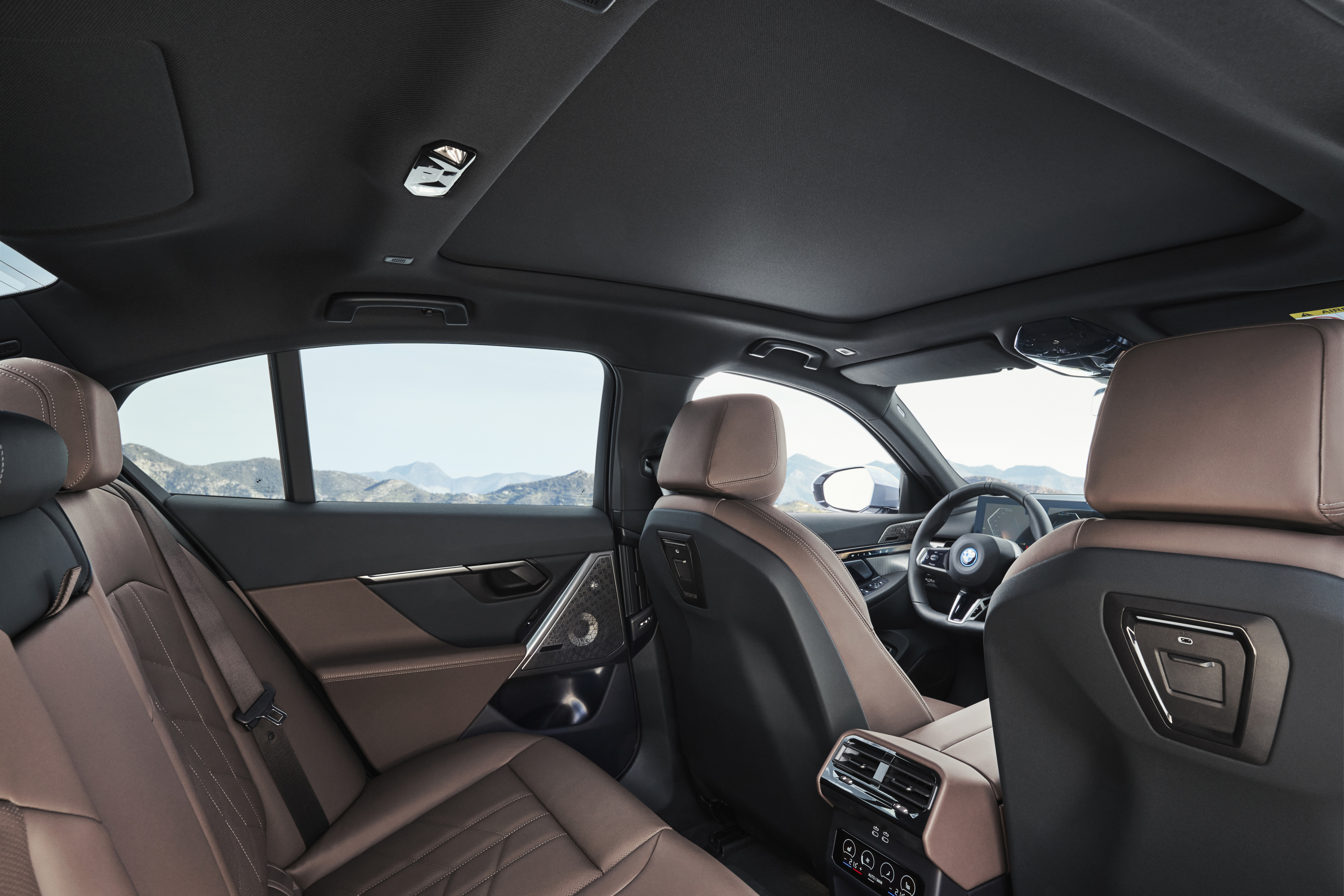
In an EV, cabin heat or heat loss matters because the climate system draws energy from the traction battery. Better glazing can reduce that load, but there is no universal range penalty or benefit for “a panoramic roof.”
Switchable glass is not one technology
Switchable, dimmable, and smart glass are umbrella terms. Suspended-particle devices (SPD), liquid-crystal systems such as PDLC, and electrochromic materials use different mechanisms. Continental describes all three as alternatives; calling every switchable roof “electrochromic” is incorrect. Continental: Switchable automotive-glass technologies
- SPD film uses suspended particles that change alignment under an electric field, altering light transmission.
- Liquid-crystal and PDLC systems change liquid-crystal alignment in a polymer layer. Depending on the design, the pane can become clear, matte, patterned, or partly opaque through light scattering.
- Electrochromic glazing changes optical properties through an electrochemical process. Switching speed, tint range, color, power use, and behavior without power are product-specific.
A dimmed state is not automatically equivalent to a solid blind. Some systems scatter visible light and still illuminate the cabin. Heat rejection also depends on the rest of the glazing stack.
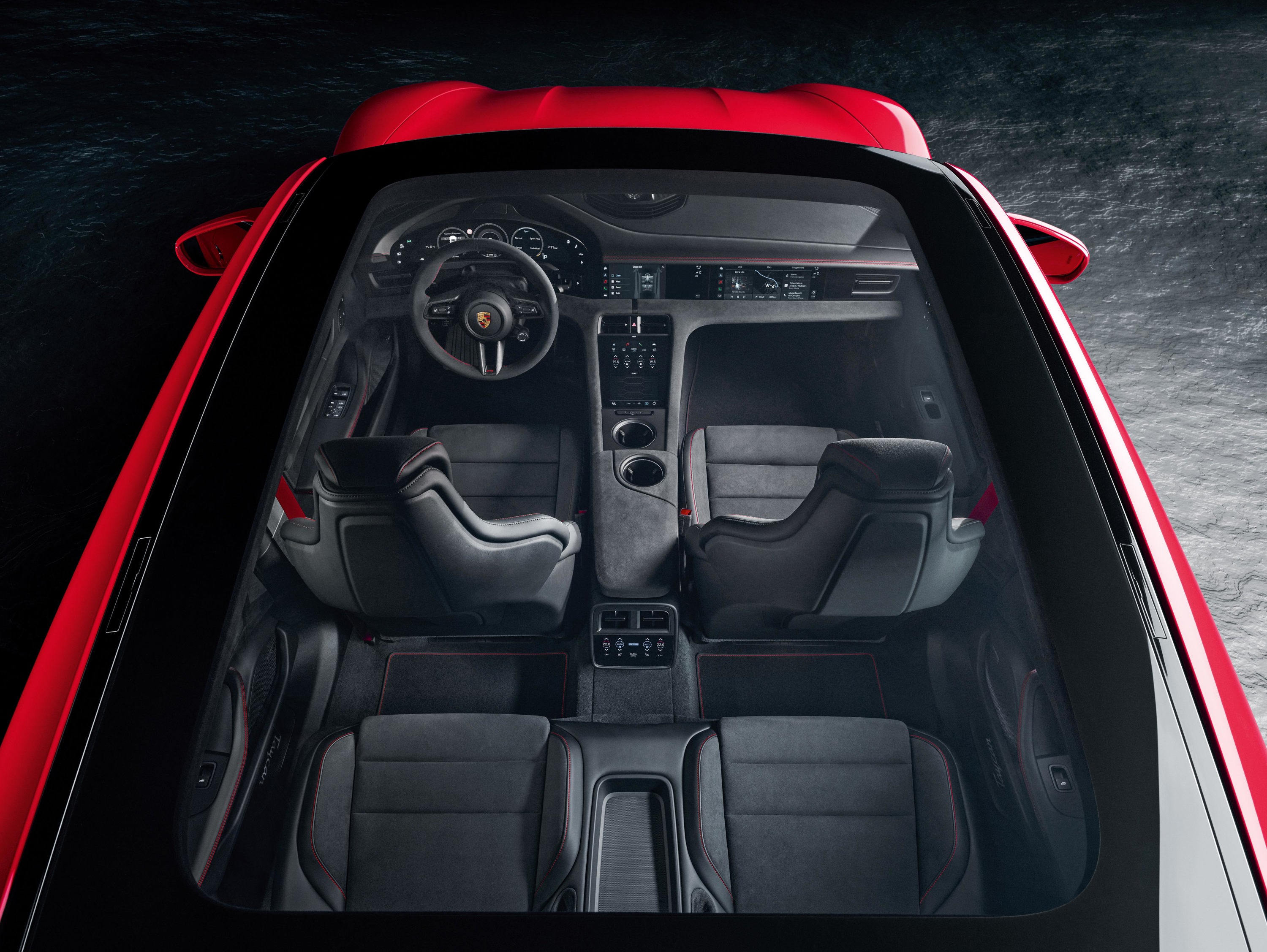
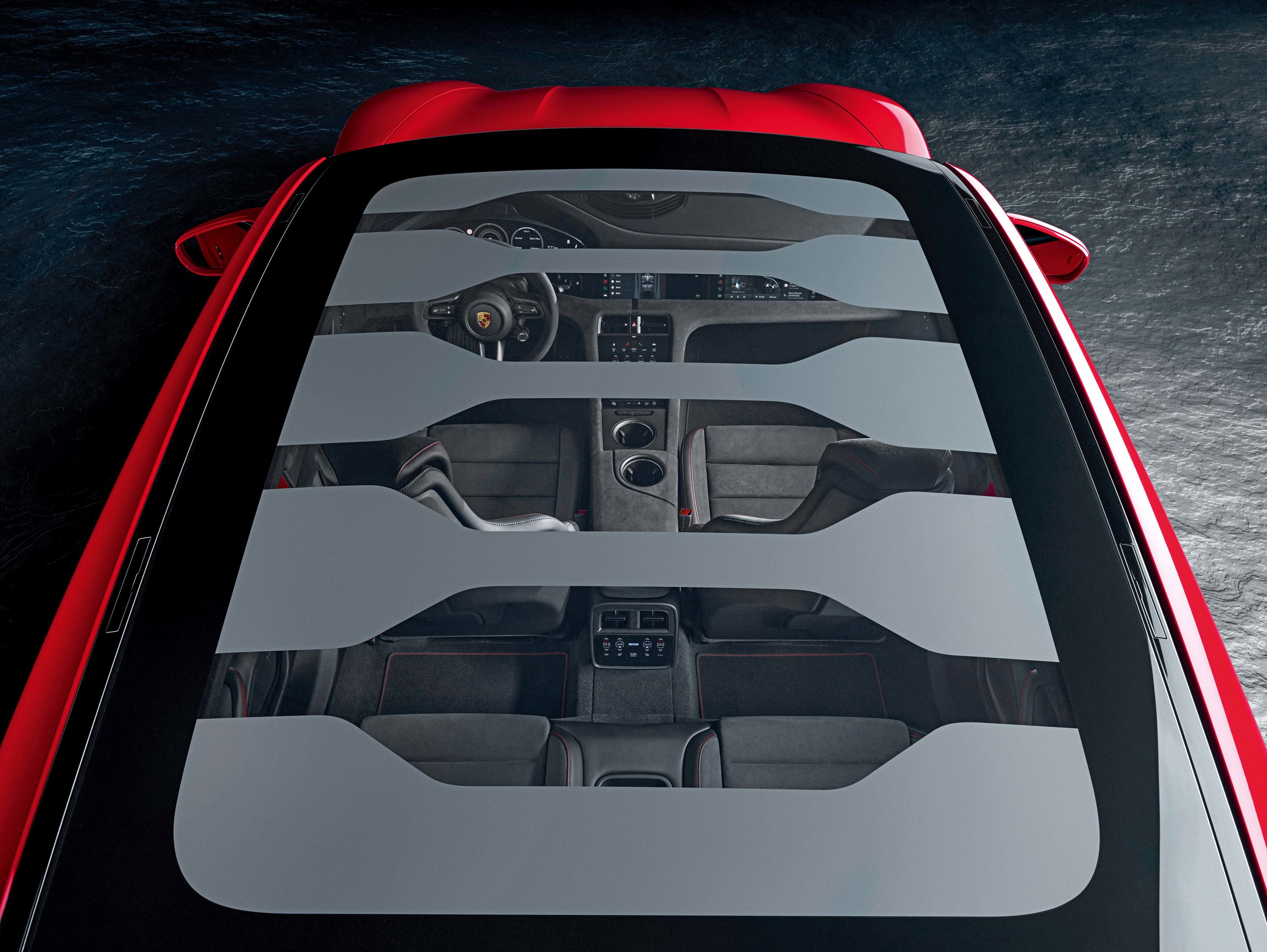
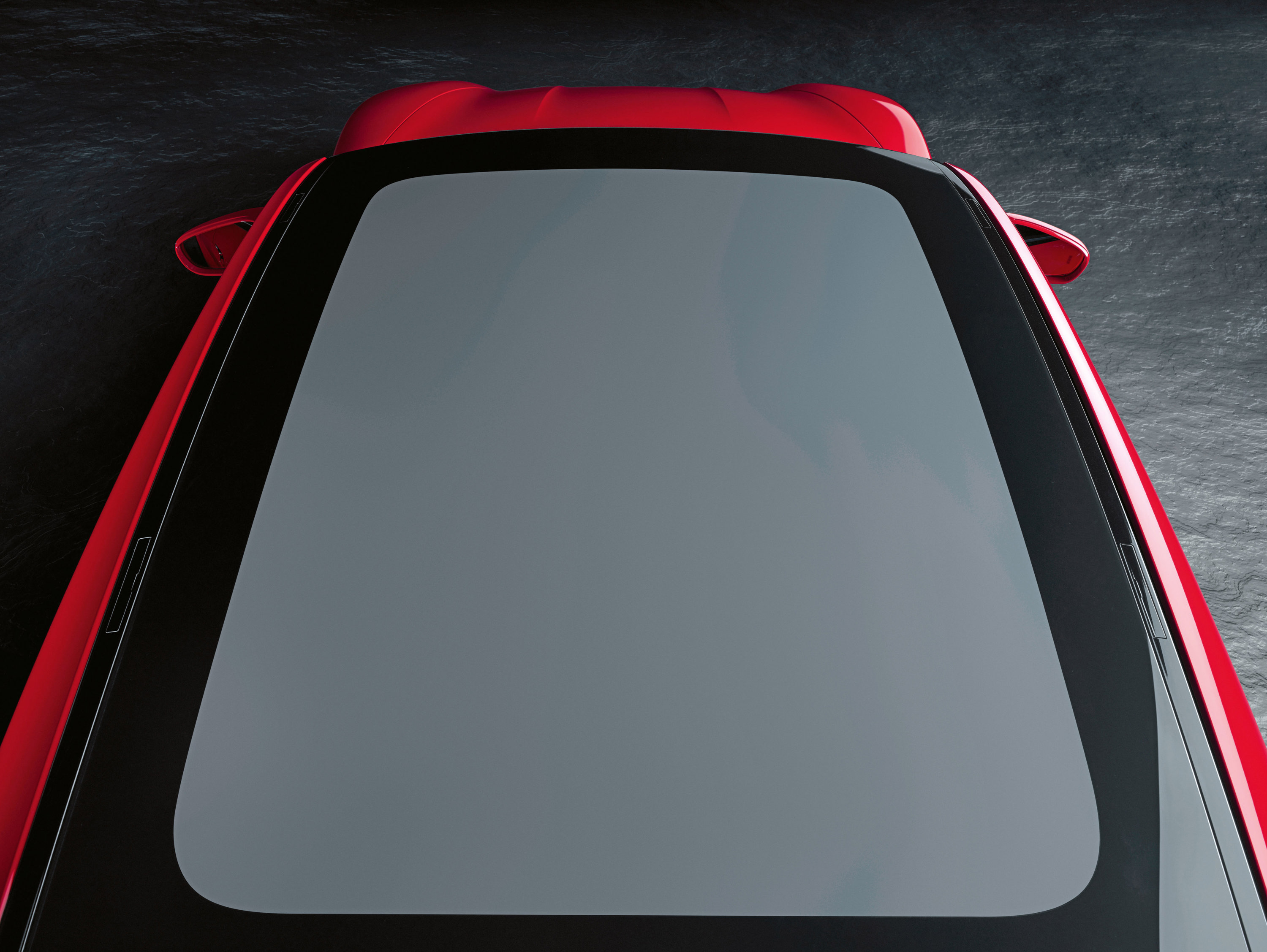
Porsche Taycan Variable Light Control
Porsche describes the Taycan roof as an electrically switchable liquid-crystal film, not electrochromic glass. With no power, the roof is matte. Clear, Semi, and Bold settings change the liquid-crystal layer, and nine segments can create patterns or shade the roof progressively. Porsche also describes an outer silver coating for solar reflection, an inner low-e coating, and electrical consumption below 20 W. Porsche: Taycan Panoramic Roof with Variable Light Control
Renault Solarbay
Renault’s fixed Solarbay roof in the Scenic E-Tech Electric uses PDLC film between two glass plates. Four selections make the roof clear or opaque, or change the front and rear separately. Renault notes that natural light still enters in the opaque state, illustrating why opaque in a product description need not mean the darkness of a solid blind. Renault: Scenic E-Tech Electric Solarbay panoramic roof
These examples show why the technology, glazing stack, available states, and unpowered default must be checked separately.
Structure, safety, weight, and repair
A large roof opening changes the body’s load paths, but that does not justify a general claim that a glass roof makes a vehicle unsafe. The bonded pane, roof rails, headers, cross-members, reinforcements, and adhesives are engineered as a system.
Glazing regulations address the pane. Separate requirements address the roof structure. In the United States, FMVSS No. 216a applies a rigid plate to both sides of the roof; most vehicles with an unloaded weight below 2,722 kg must resist a force up to three times that weight within the standard’s displacement and head-contact limits. NHTSA: FMVSS No. 216a roof-crush test procedure
This is a regulatory baseline, not proof that all roofs perform identically. Compare crash-test evidence for the exact vehicle and model year instead of inferring safety from the amount of glass.
Weight and headroom also depend on the complete system: glass, adhesive, frame, reinforcements, headliner, blind, tracks, motor, drains, wiring, and electronics. A fixed roof can avoid the cassette and mechanism of an opening roof. Deleting a blind can free headroom and mass, while low-e or switchable glazing adds coatings, films, conductors, controls, and repair considerations.
Noise is design-specific. Laminated construction and acoustic interlayers can attenuate some frequencies, while seal design, roof stiffness, headliner absorption, rain impact, and an open panel change what occupants hear.
Repair details matter:
- The replacement pane must match the homologated roof design.
- Bonding, primers, curing time, seals, trim, wiring, and switchable-glass connections must follow the repair procedure.
- An opening roof adds moving seals, drains, tracks, and anti-pinch control.
- Roof bars and cargo must use approved mounting points and preserve opening-panel clearances. EVKX covers this in Roof cargo on electric vehicles.
What buyers should check
- Is the roof fixed, tilting, sliding, or removable, and what is the actual clear opening?
- Is there a fully opaque blind, a translucent blind, switchable glass, or no movable shade?
- Are visible-light, UV, and total solar-energy performance published separately?
- How comfortable are all seating rows in strong sun in the clearest and darkest states?
- For switchable glass, what are the zones, switching time, darkest state, power use, and unpowered default?
- How much headroom remains in every row?
- Are roof bars or boxes approved, and what is the dynamic roof-load limit?
- For an opening roof, where are the drains and what maintenance is specified?
- What does replacement glass cost, and how do insurance and warranty terms treat the roof?
- On a used vehicle, do the edges, seals, headliner, and channels show cracks, moisture, wind noise, or previous repair?
The best roof is the one whose light, heat, opening, and ownership behavior fits the climate and use case—not the one with the largest glass area or the most ambitious marketing name.
Sources
- Webasto: Fixed and opening passenger-car roof systems
- UNECE: UN Regulation No. 43 — Safety glazing
- AGC Automotive: Infrared-reflecting automotive glass
- AGC Automotive: Low-e panoramic-roof glass
- Continental: Switchable automotive-glass technologies
- Porsche: Taycan Panoramic Roof with Variable Light Control
- Renault: Scenic E-Tech Electric Solarbay panoramic roof
- NHTSA: FMVSS No. 216a roof-crush test procedure