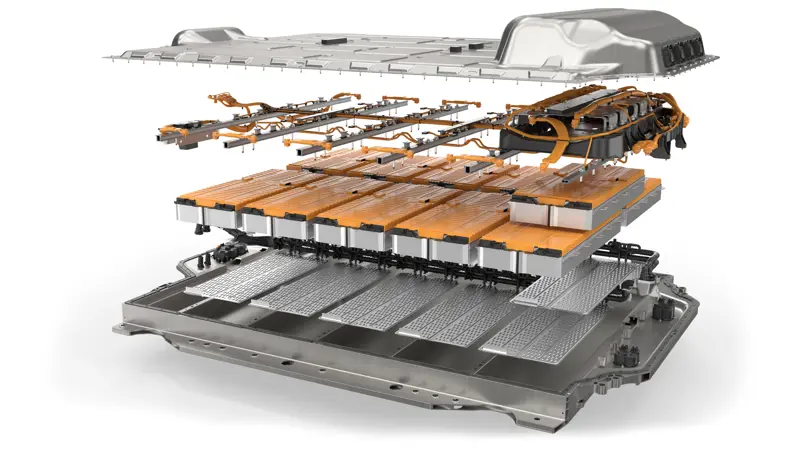
EV Batteries
Learn how EV batteries work, charge, age, and differ in capacity, chemistry, cooling, construction, and warranty.

EVs are built using various technologies to function, including electric motors, batteries, advanced driver assistance systems (ADAS), suspension systems, and safety features.
25 articles available
This technology section will delve into the different technologies that power EVs, explaining how they work and their benefits and limitations.
If you go through every subsection, you will have a comprehensive understanding of the technology that drives the future of transportation.
The technology articles target anyone wanting to learn more about EV technology, from the potential EV owner wanting to understand how stuff works to sales personnel wishing to know how EVs work.
Learn how EV batteries work, charge, age, and differ in capacity, chemistry, cooling, construction, and warranty.
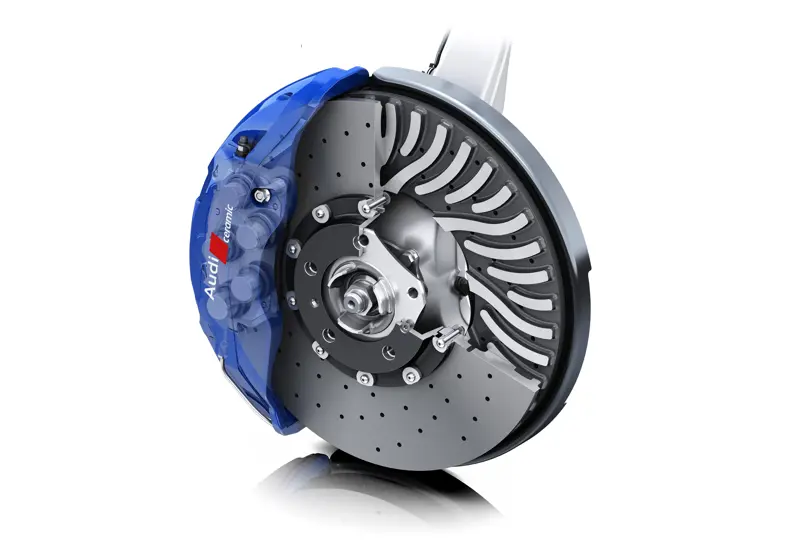
How EV friction brakes work, from discs and drums to brake blending, fade, corrosion, and maintenance.

How volume, payload, aerodynamics and legal limits determine what an EV can safely carry or tow.
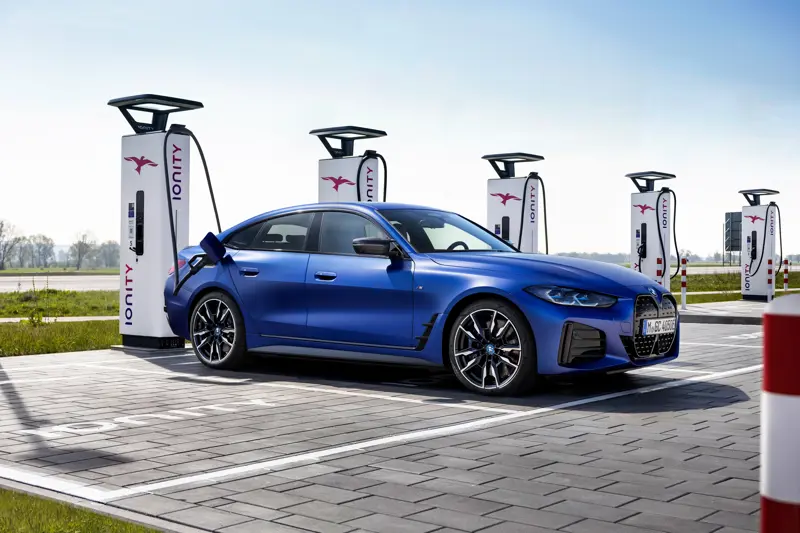
A systems guide to EV charging, from AC and DC power paths to connectors, protocols, and practical performance.

How vehicle openings balance access, structure, sealing, safety, packaging, and daily usability.
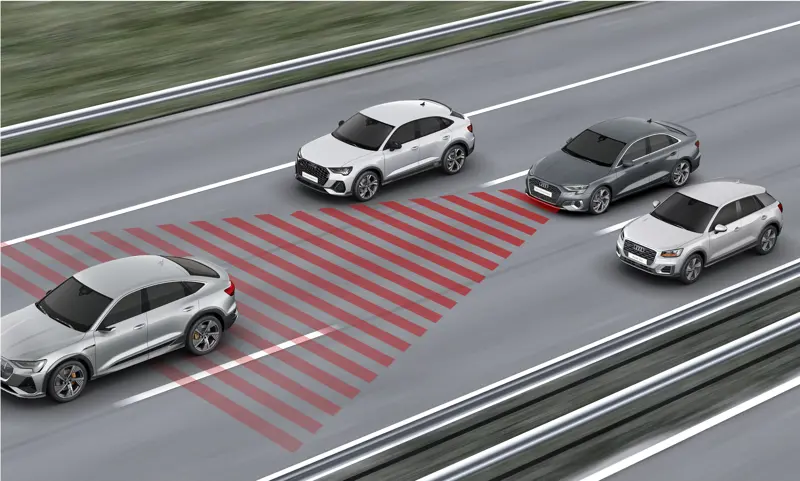
A rigorous guide to warnings, interventions, Level 1 assistance and supervised Level 2 driving.
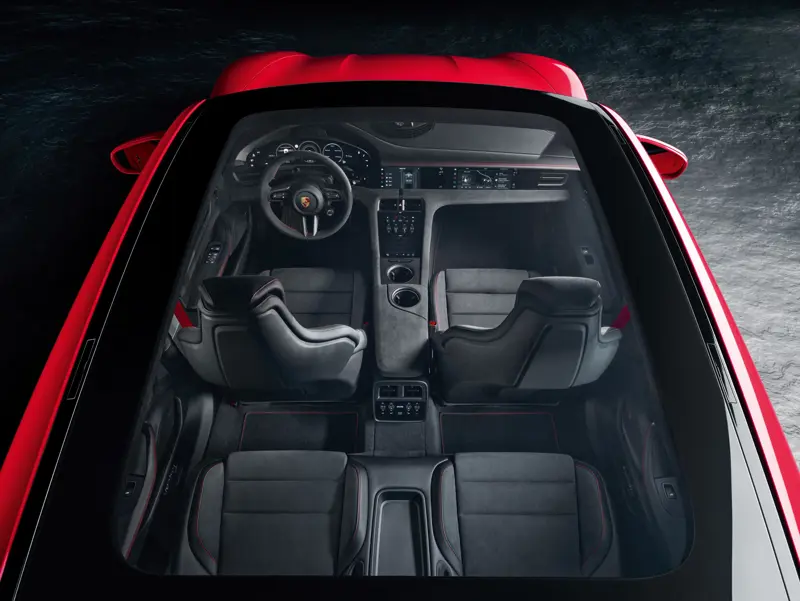
How fixed, opening, and switchable glass roofs affect light, heat, headroom, safety, and EV efficiency.
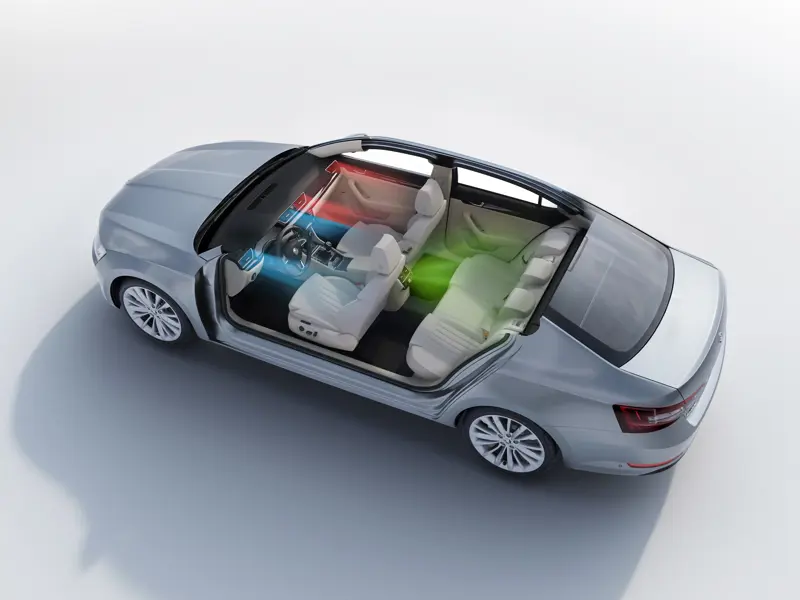
How EV climate systems heat, cool, demist and filter the cabin—and why their energy use affects range.

How in-car infotainment combines hardware, software, connectivity, controls, updates and driver attention.

How EV platforms shape cabin space, comfort, controls, materials and the details buyers should inspect.
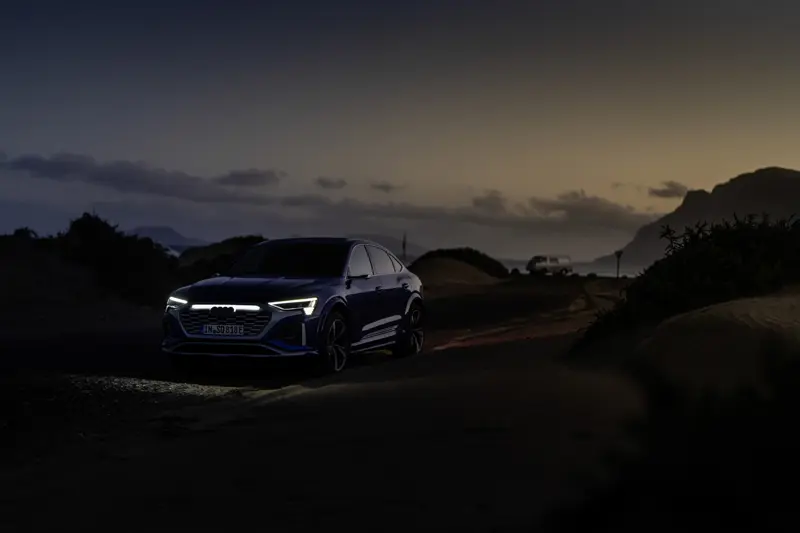
A complete guide to exterior, interior, adaptive and safety lighting in electric vehicles.
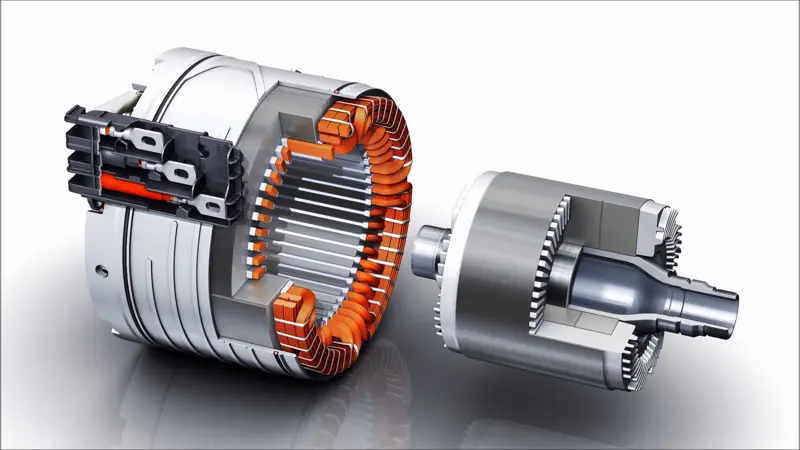
How EV traction motors turn battery power into wheel torque, and why motor choice shapes efficiency and performance.
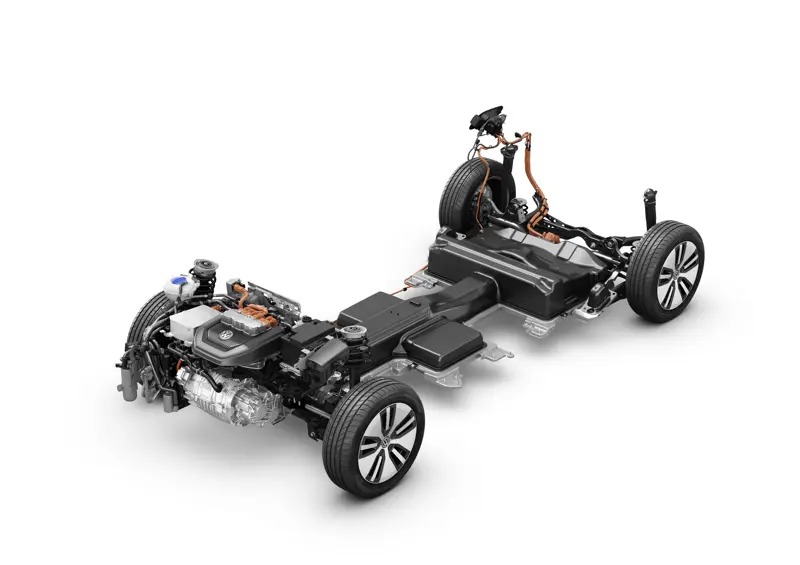
How EV platforms connect structure, battery, charging, software and manufacturing—and why the details matter.

How EVs recover braking energy, how one-pedal and blended braking differ, and when regeneration is limited.
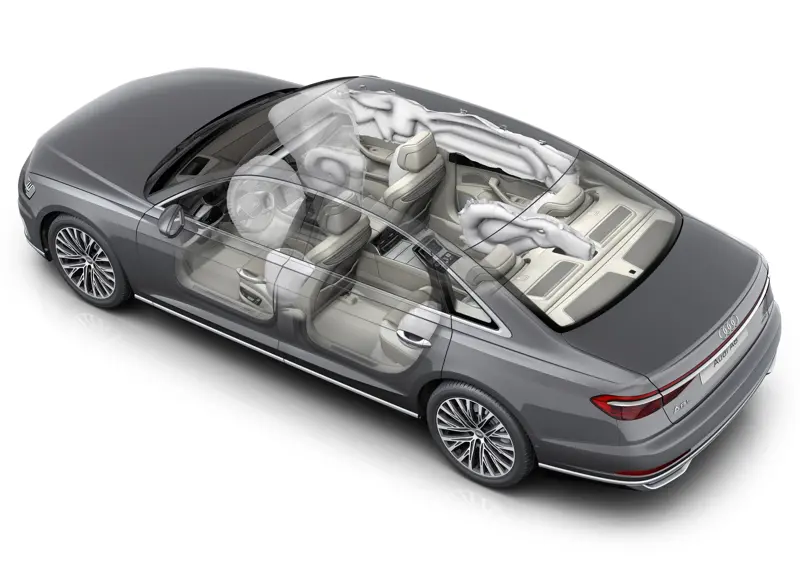
How active safety, crash protection, high-voltage isolation, and independent testing work together in an EV.

How EV seats combine safety, ergonomics, packaging, adjustment, climate features, materials, and child-seat fit.
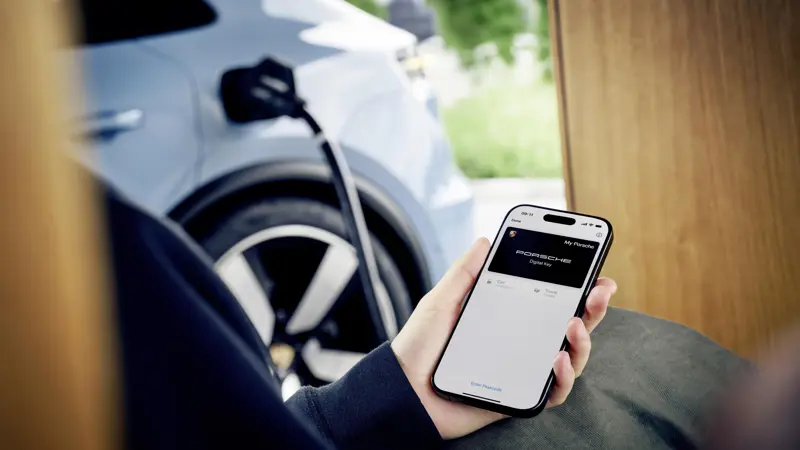
How EV access, alarms, cameras, immobilizers and cybersecurity work together—and where protection can fail.

How vehicle sensors measure the road, how software uses them and how to judge camera, radar and lidar claims.
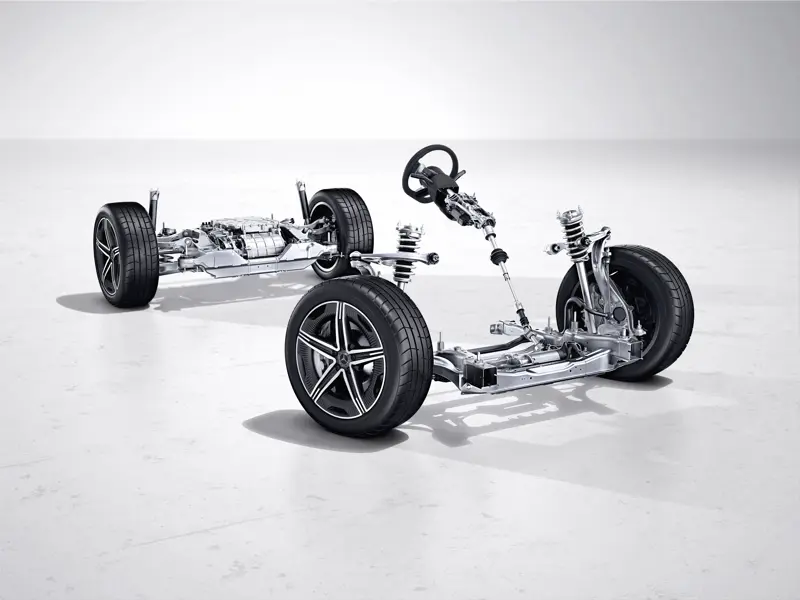
How EV suspension balances tyre contact, body control, comfort, packaging, and efficiency.

How EV interfaces communicate, accept input, and help drivers manage energy, charging, assistance, and safety.
Vehicle dimensions and mass define size, geometry, load capacity, and rated limits under specific measurement rules.

How EV wheels and tires affect fitment, range, grip, comfort, noise, durability, and safety.

How automotive glazing manages safety, visibility, heat, noise, controls, sensors, shading, and repair.
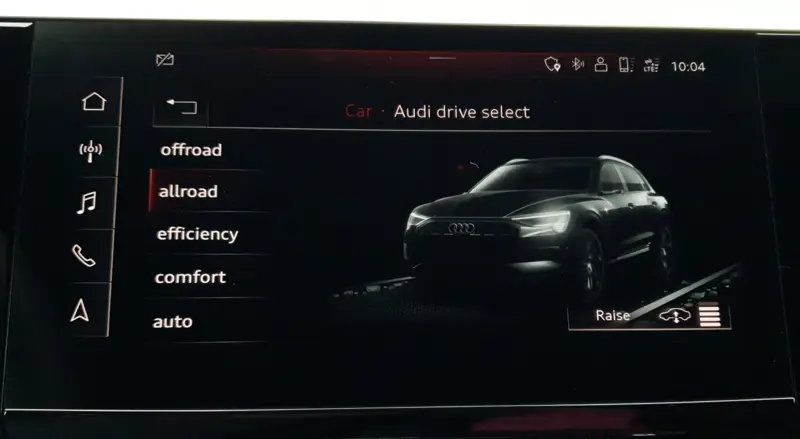
How EV drive modes coordinate power, regeneration, chassis, traction, climate, and thermal systems.
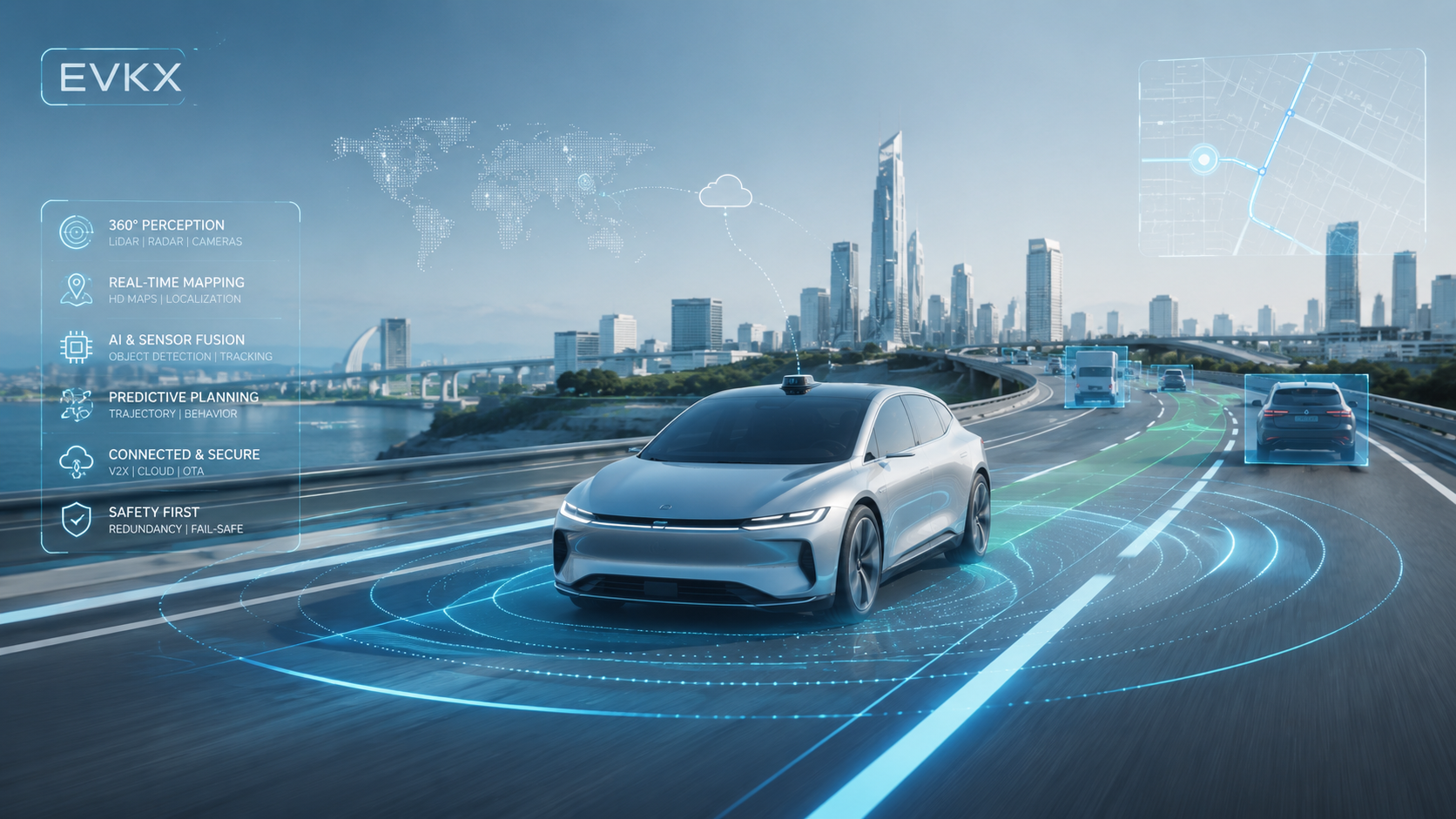
A rigorous guide to driving automation, from supervised assistance to driverless EV fleets.