
Autocar
907 reviews
Autocar: historic UK car journalism with serious EV coverage
Autocar is one of the most established automotive publications in the world, with a magazine history dating back to 1895, a major website, and an active YouTube channel. It is not an EV-only outlet; it covers the full car market, including electric cars, hybrids, plug-in hybrids, petrol and diesel vehicles, performance cars, luxury cars, motorsport, industry news, future models, and used-car advice. For EV viewers, this makes Autocar useful because electric cars are evaluated as part of the wider automotive landscape rather than only within an EV enthusiast bubble.
The channel is best suited to viewers who want professional automotive journalism, detailed driving impressions, and strong industry context. Autocar has a long tradition of road testing, and the publication describes its 1928 Austin 7 Gordon England review as the first road test of a car published anywhere in the world. That history matters because Autocar’s EV coverage is shaped by conventional car-testing values as well as modern electrification topics: ride, handling, steering, refinement, performance, practicality, usability, and value all matter alongside range and charging.
Autocar’s EV coverage is broad and serious. Its website has dedicated electric-car news and “best electric cars” sections, with EVs reviewed, ranked, and compared against rivals in the UK market. Recent EV-related review coverage includes models such as the Renault 5, BYD Seal, Kia EV9, Volvo EX30, Volvo ES90, Denza Z9 GT EV, and other current electric cars. This makes Autocar useful for buyers who want to understand how new EVs fit into the mainstream car market.
A major strength of Autocar is its industry knowledge. The publication does not only review finished cars; it also covers product strategy, future models, vehicle development, manufacturers, legislation, business, technology, and the changing structure of the car industry. For EV viewers, that wider perspective is valuable because the electric transition is not only about individual cars. It also involves battery supply, charging infrastructure, software, regulation, pricing, manufacturing, and brand strategy.
The channel’s geek level is moderate. Autocar can be detailed, especially when discussing driving dynamics, platform engineering, performance, efficiency, and market positioning, but it is not primarily a specialist EV testing channel. It usually does not focus on long charging-curve graphs, battery chemistry, thermal-management diagnostics, or repeatable 1,000 km EV challenges. Its technical strength is more traditional and journalistic: how the car drives, how it is engineered, where it sits in the market, and whether it is good compared with rivals.
Autocar’s EV stance can be described as pragmatic and professionally neutral. It treats electric cars as an important and permanent part of the modern car market, but it does not approach them as automatic winners. EVs are judged as cars: range, charging, efficiency, price, software, ride comfort, handling, interior quality, practicality, refinement, and desirability all count. Strong EVs are praised, but weak points are treated seriously, especially when an electric car fails to deliver the driving quality, usability, or value expected in its segment.
As a YouTube channel, Autocar is strongest for viewers who want authoritative reviews and industry-aware commentary rather than influencer-style ownership content. Videos often include new-car reviews, first drives, performance features, comparison tests, interviews, and car-industry explainers. EVs appear as part of this wider mix, which makes the channel useful for viewers who follow cars generally but want informed electric-car coverage.
Production quality is professional and publication-led. The videos are generally clear, well edited, and built around experienced motoring journalists rather than a single YouTube personality. The style is more traditional automotive media than entertainment-first YouTube. That can make the videos feel less casual than independent EV channels, but it also gives them a serious, editorial tone.
The wider Autocar platform is central to its value. The website describes Autocar as delivering authoritative car reviews and agenda-setting industry news, while the magazine and digital archive give the brand unusual historical depth. Its coverage spans “everything automotive since 1895,” including petrol and electric cars, which reinforces its position as a broad car publication rather than an EV-only source.
The main limitation for EV-focused viewers is that Autocar is not a dedicated EV testing outlet. Viewers looking for highly standardized range tests, winter EV testing, charging-network reliability analysis, home-charging troubleshooting, or deep EV ownership data will usually need more specialized channels. Autocar is also UK-centered, which is useful for UK buyers but means pricing, trims, tax context, and availability may differ in other markets.
Overall, Autocar is a strong source for viewers who want electric cars reviewed with the discipline and context of traditional automotive journalism. It is especially useful for buyers and enthusiasts who care about driving dynamics, engineering, market positioning, and how EVs compare with combustion, hybrid, and plug-in hybrid alternatives. It is not the most EV-technical channel, but it is one of the most established and credible general automotive outlets covering the electric transition.
Nieuwste reviews

Porsche 911 GT2 RS review | most powerful 911 driven | Autocar
BMW M760Li vs Porsche Panamera Turbo | Drag race, drifted, driven on road | Autocar
Porsche Cayenne Turbo 2018 review - A perfect mix of luxury and performance? | Autocar
2018 Mercedes-AMG GT R - Does AMG's 911 GT3 rival set a new benchmark? | Autocar
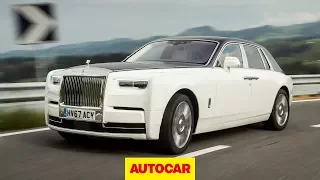
Rolls-Royce Phantom 2018 Review | The best car in the world? | Autocar
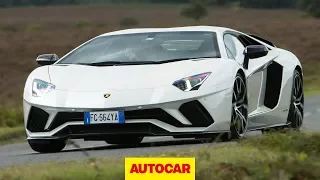
2017 Lamborghini Aventador S review - is new 740hp supercar a match for the McLaren 720S? | Autocar
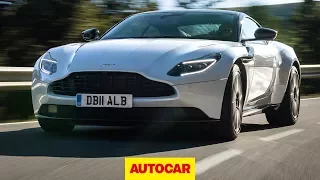
2018 Aston Martin DB11 V8 Review: Better than its V12 brother? | Autocar
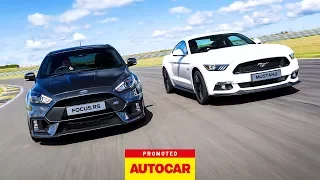
Promoted | Ford Focus RS vs Mustang

Honda Civic Type R meets VW Golf R | World's best hot hatchbacks reviewed and tested | Autocar
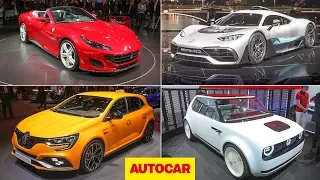
Frankfurt Motor Show 2017 | The 12 cars you need to see at the IAA | Autocar
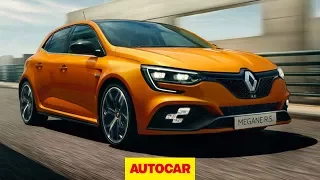
2018 Renault Megane RS revealed | Autocar
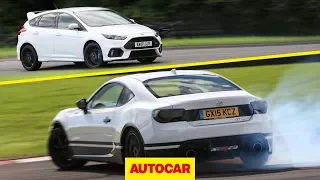
Ford Focus RS vs Toyota GT86 drift showdown | Modded drifters drift off | Autocar

Alfa Romeo Giulia Quadrifoglio vs 2018 BMW M3 Competition Pack | Super saloon review | Autocar
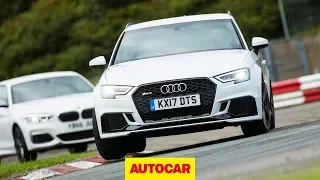
Audi RS3 vs BMW M140i track battle | Hot hatch review | Autocar
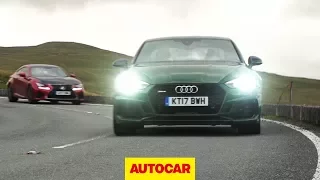
Audi RS5 vs Lexus RC F | better than a BMW M4 or Mercedes-AMG C63? | Autocar
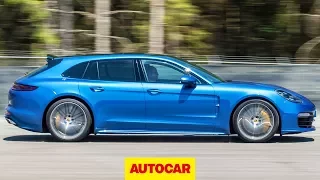
Porsche Panamera Turbo Sport Turismo review | A practical 541bhp V8? | Autocar
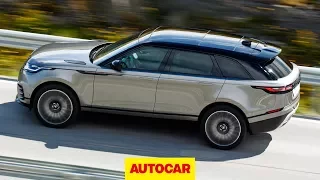
Range Rover Velar review | Is Land Rover's new SUV a match for the Porsche Macan? | Autocar
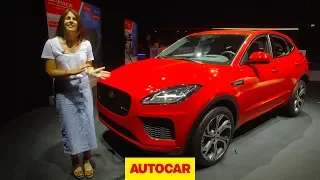
Jaguar E-Pace in-depth unboxing | BMW X1 and Audi Q3 rival revealed | Autocar
Was Carroll Shelby a fibber? The '$100 bill game' in Aston DB11, Giulia QV and more | Autocar

2017 BMW M4 CS: Is the new 454bhp CS worth its £90k price tag? | Autocar

Elemental RP1 review | Better than a BAC Mono and Ariel Atom V8? | Autocar
Promoted: 25 years of Honda Type R | Legends road trip with Civic, Integra and Accord