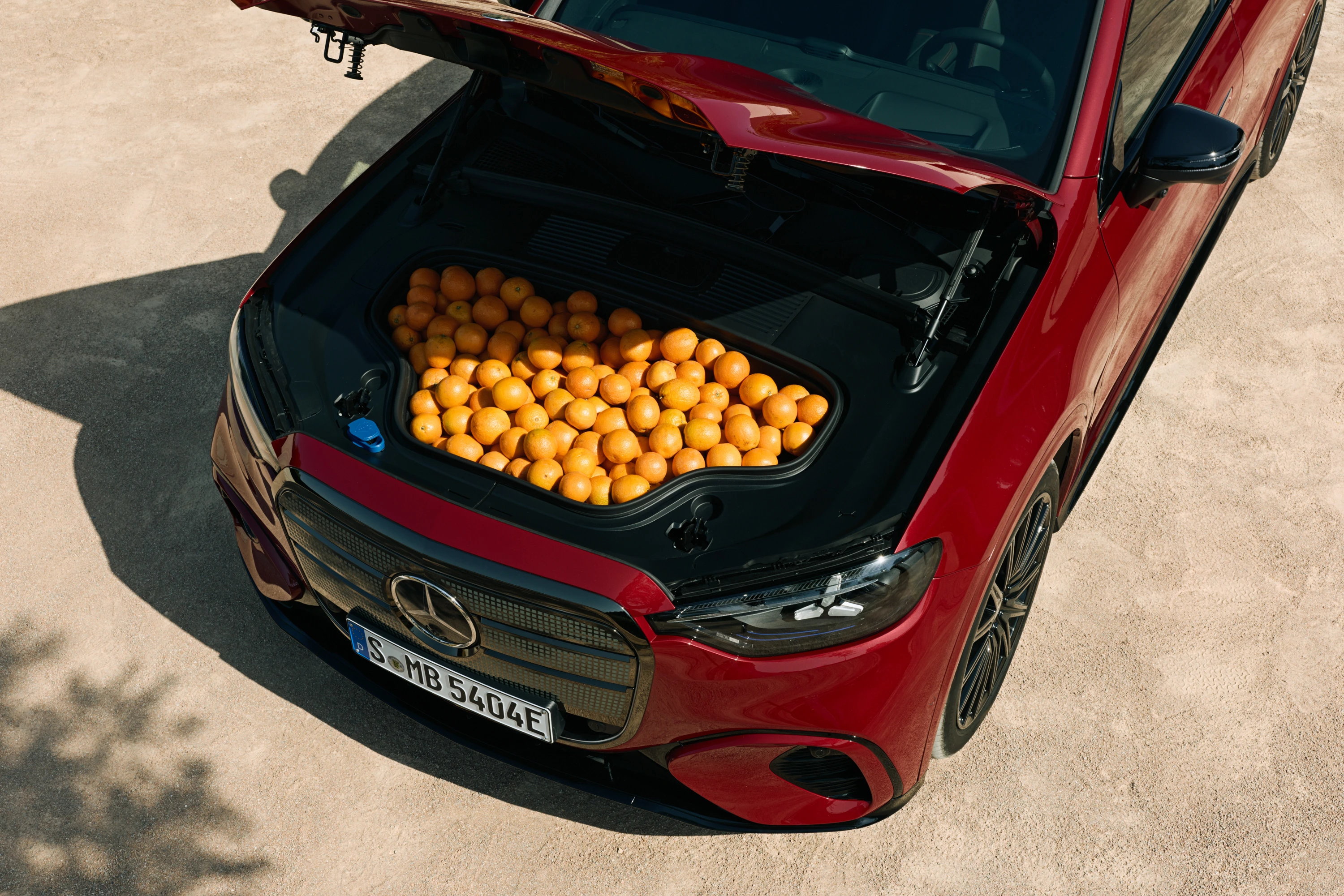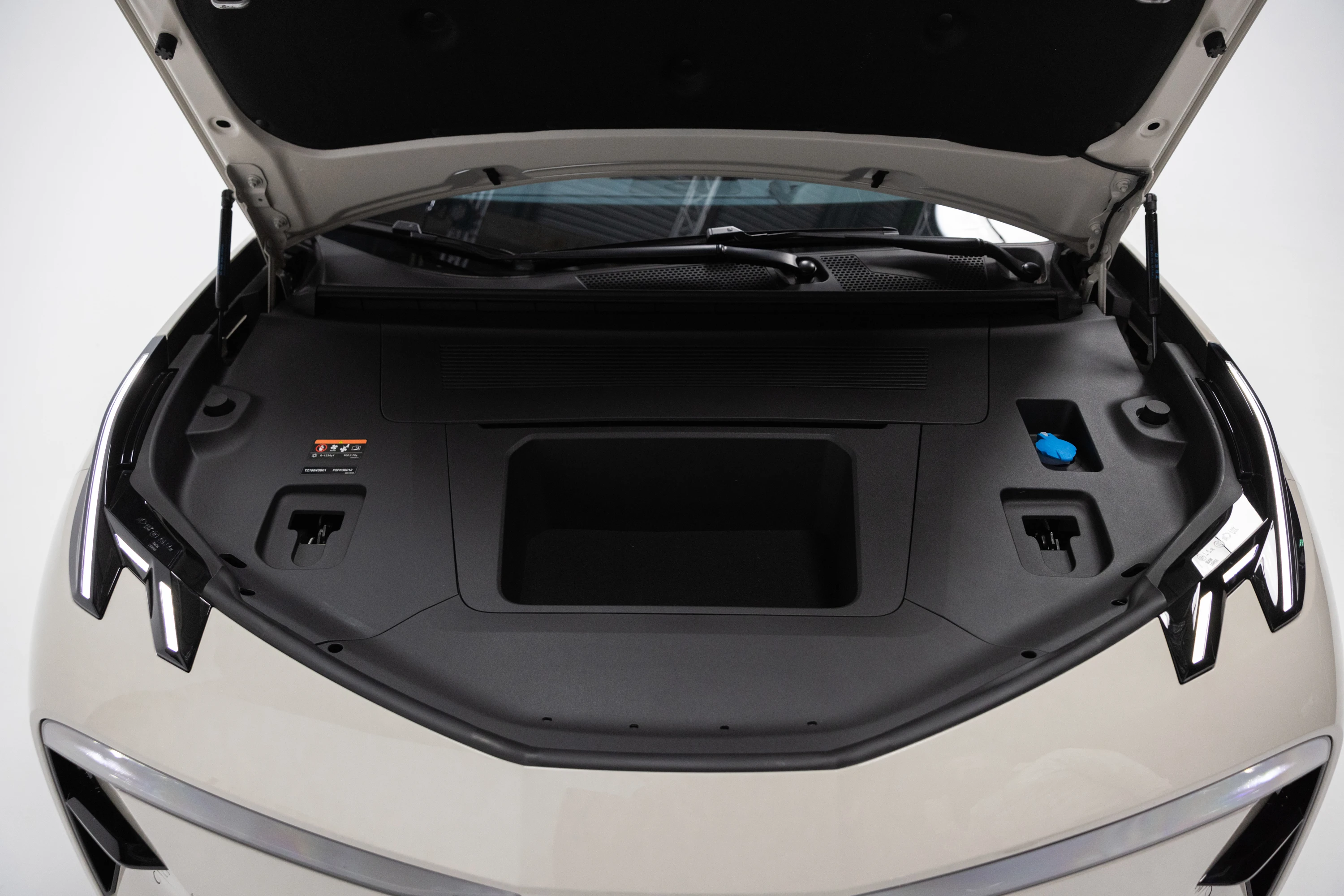
Front trunks (frunks)
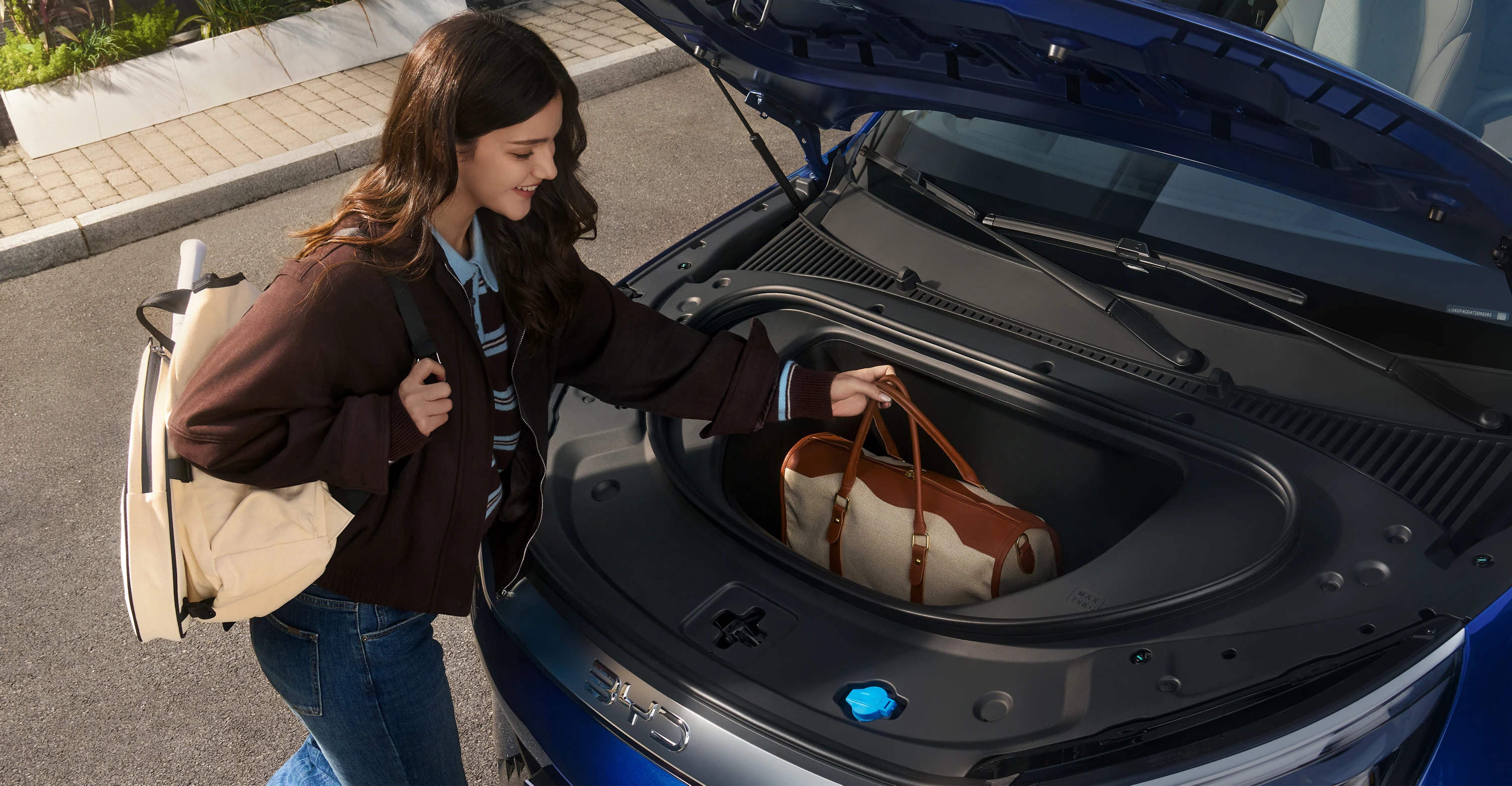
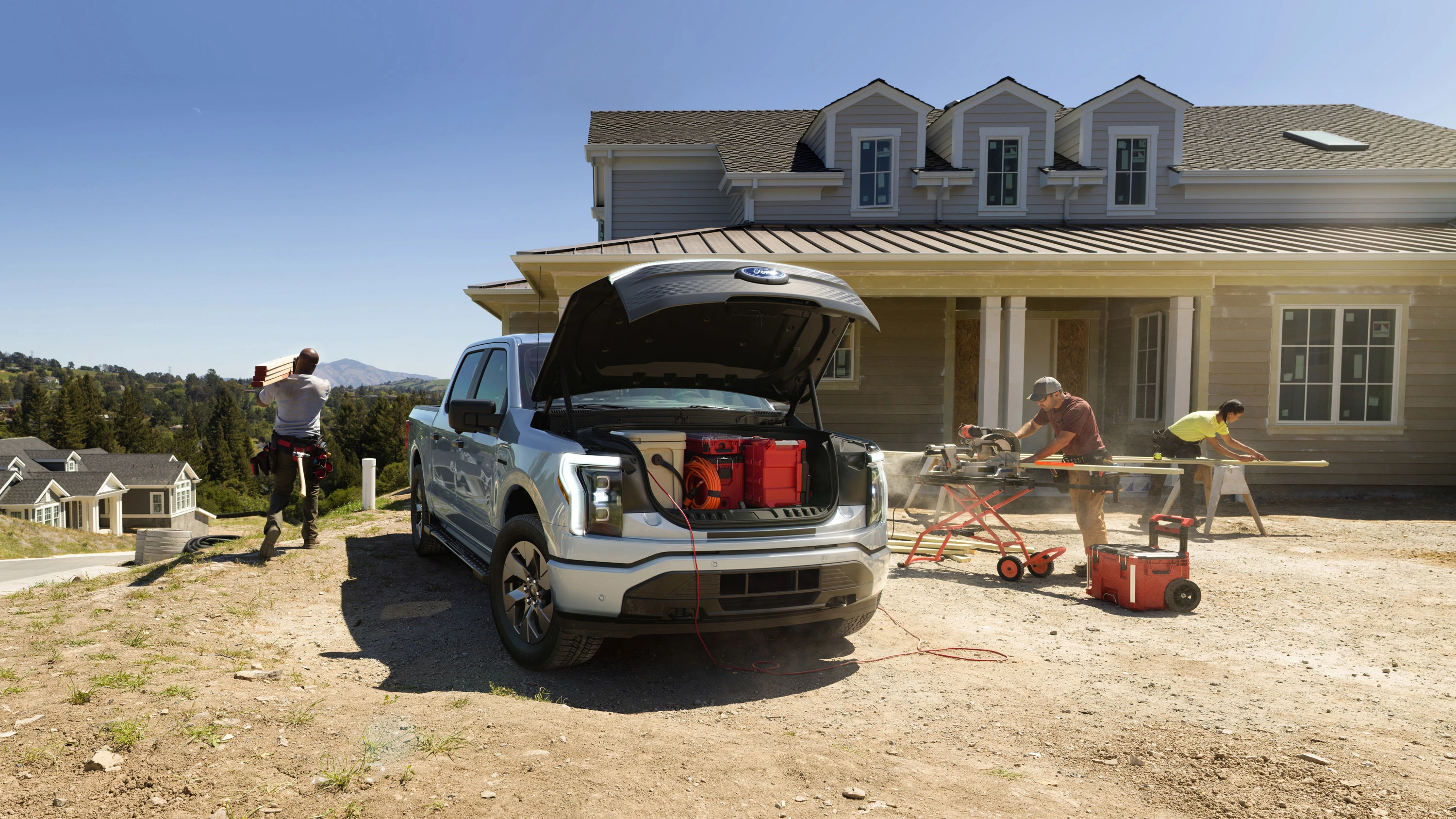
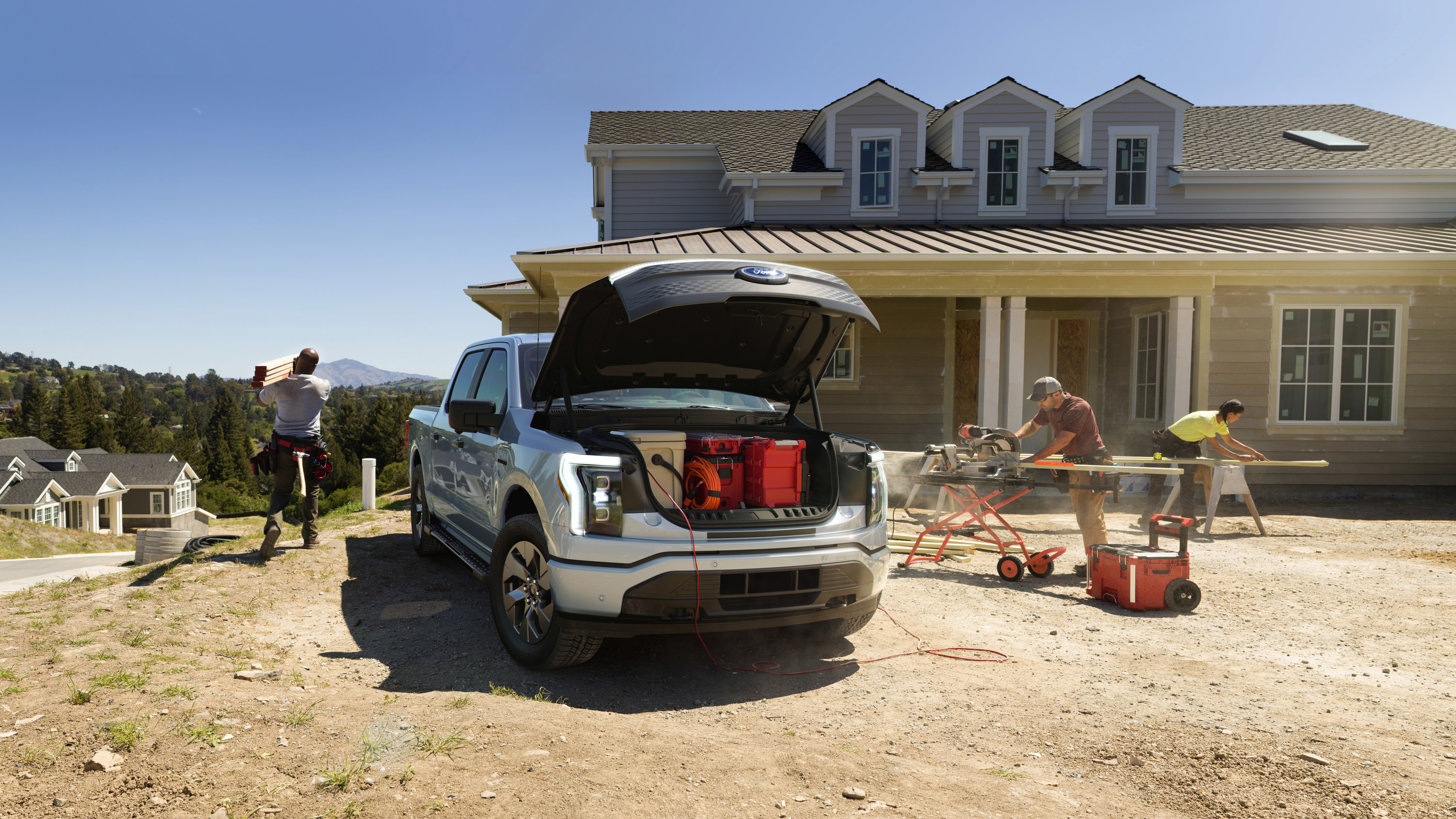
A front trunk can add useful enclosed storage without changing the vehicle's external shape. Its practical value depends on the opening, usable geometry, load rating, water protection and access system of the exact vehicle.
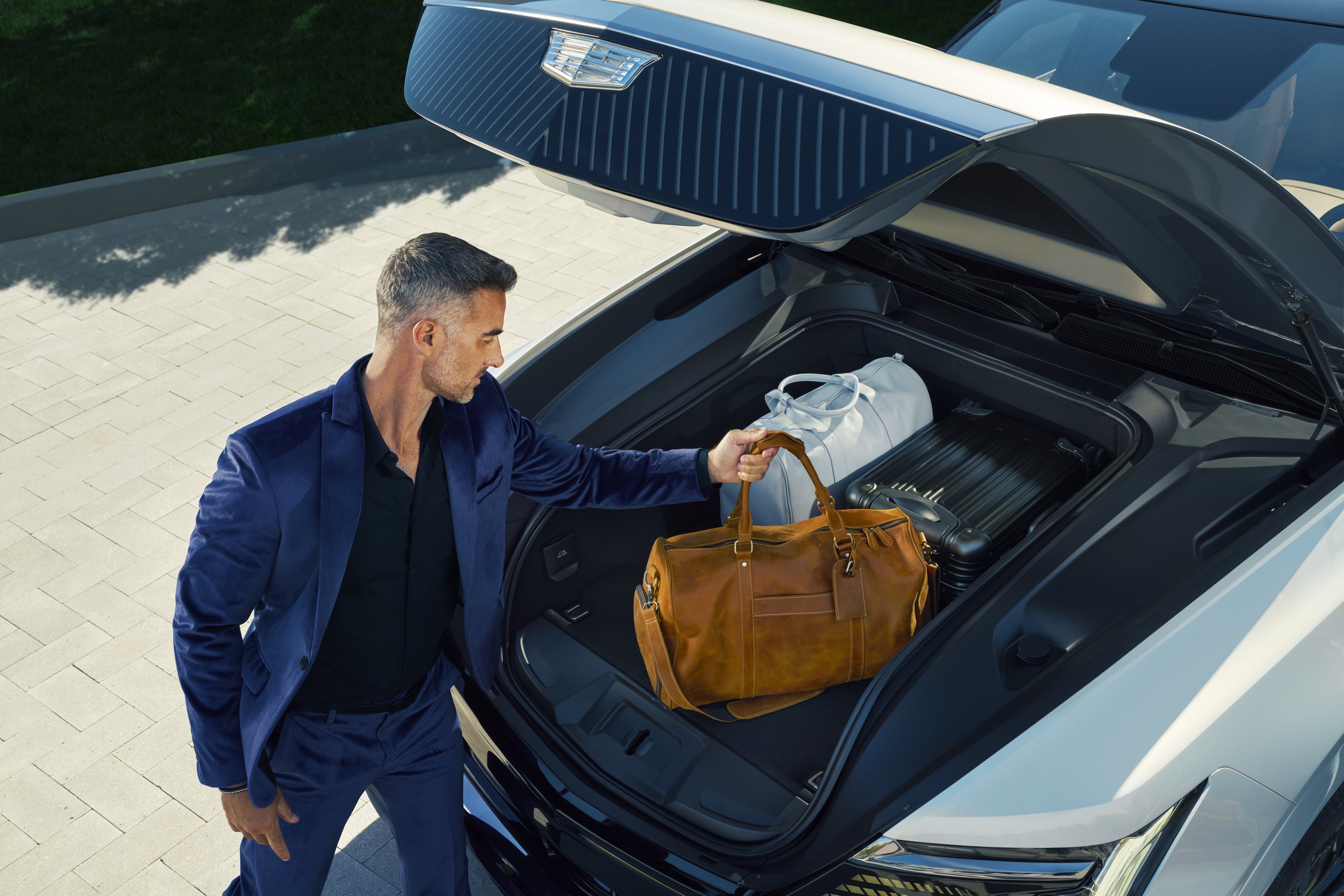
Why some EVs have a frunk
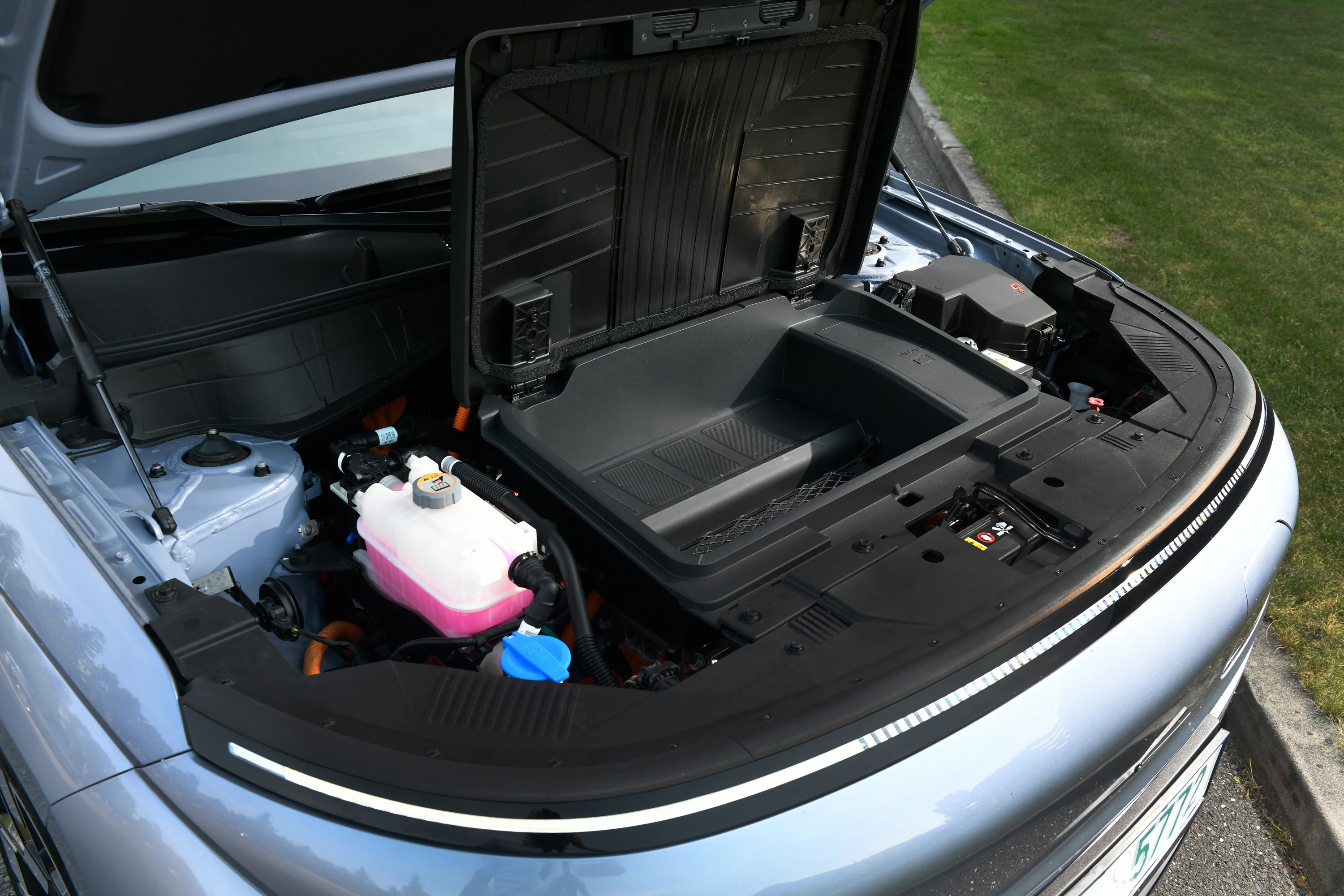
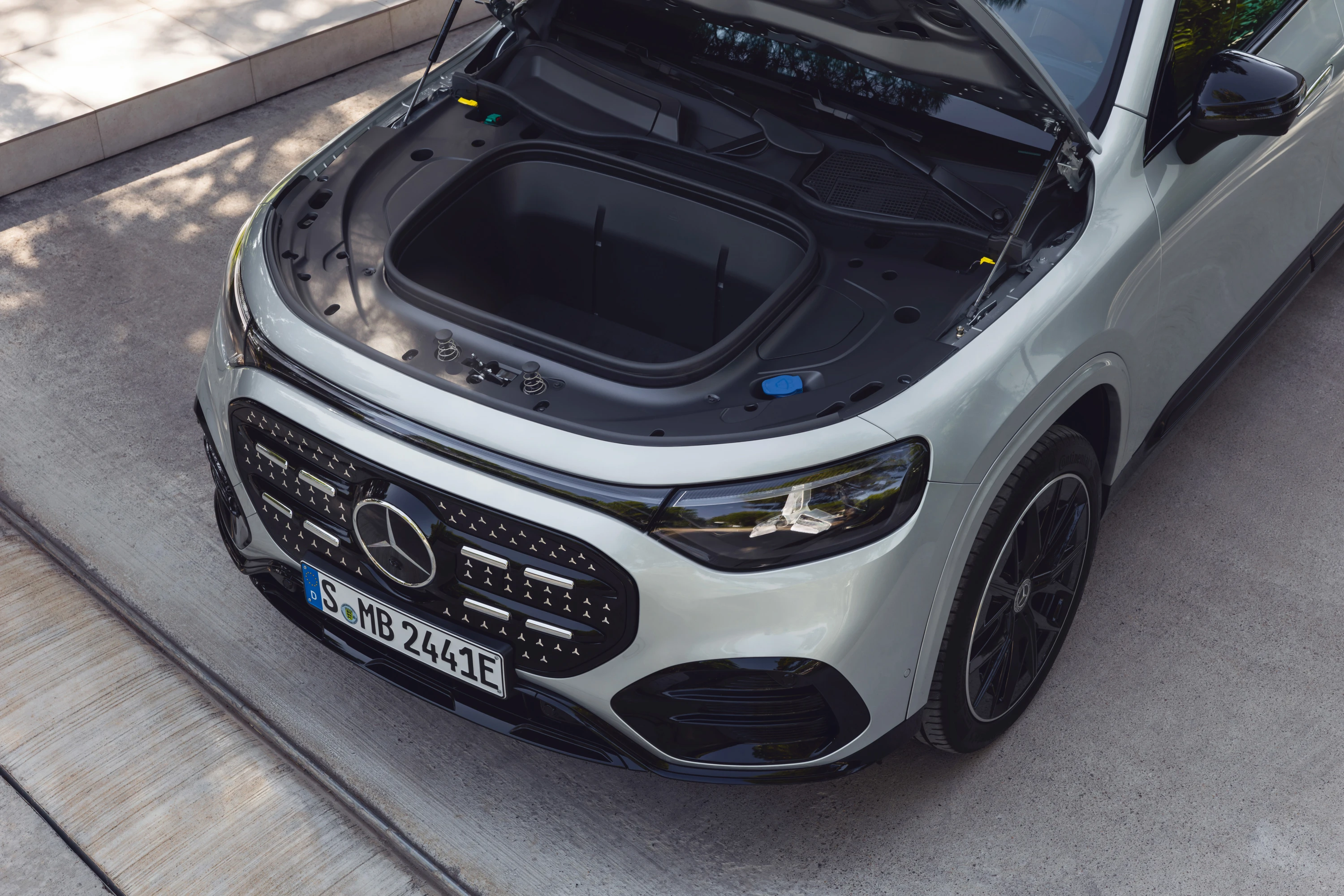
An electric powertrain can free space ahead of the cabin because it does not require a conventional engine in that location. A frunk is not guaranteed, however. Motors, inverters, climate hardware, crash structures, suspension components and service access can occupy the same area.
The exterior size of a vehicle therefore says little about its front-trunk capacity. Packaging efficiency, drive-unit placement and the shape of the safety structure determine whether the space is a shallow cable tray or a large compartment.
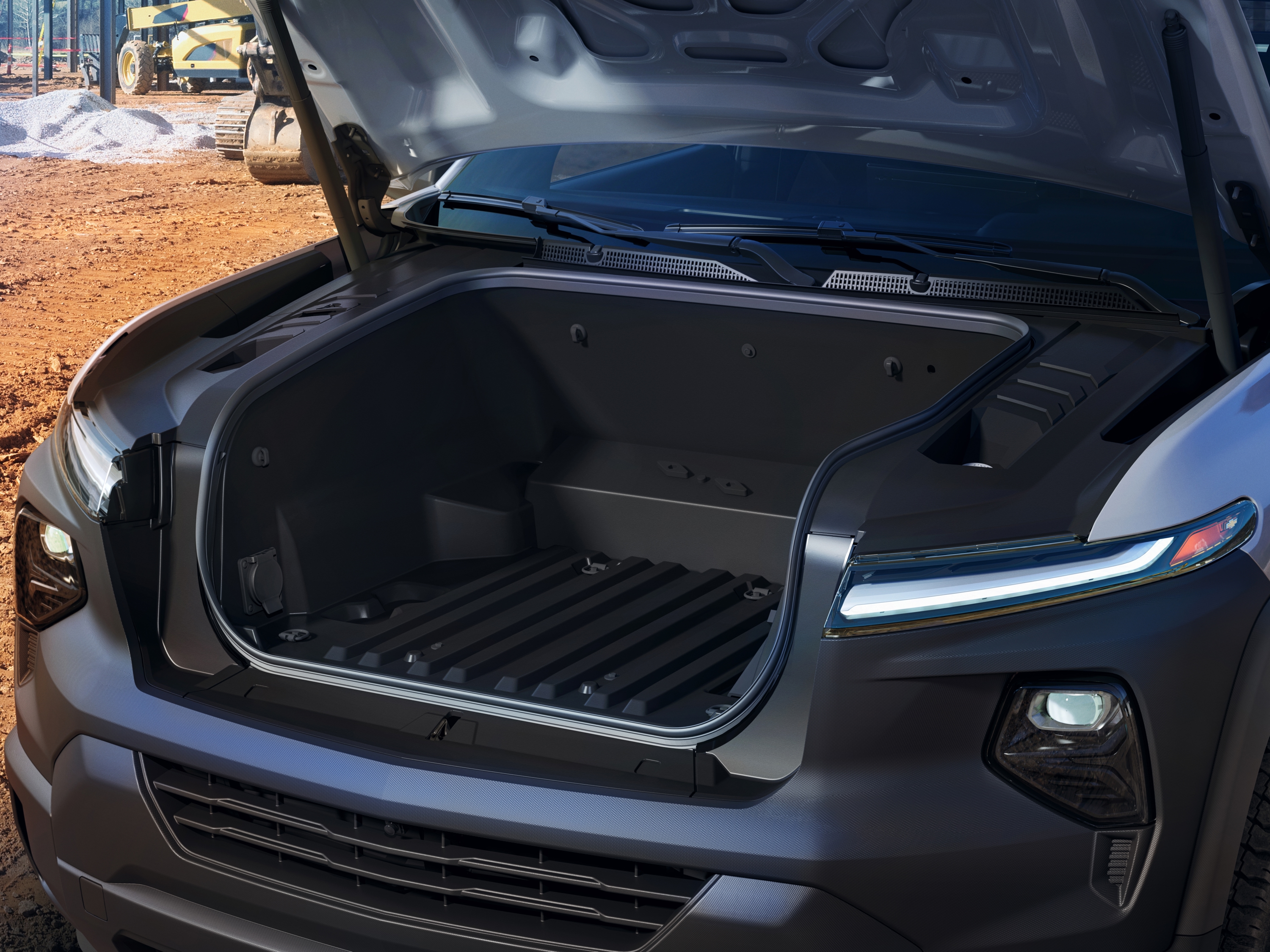
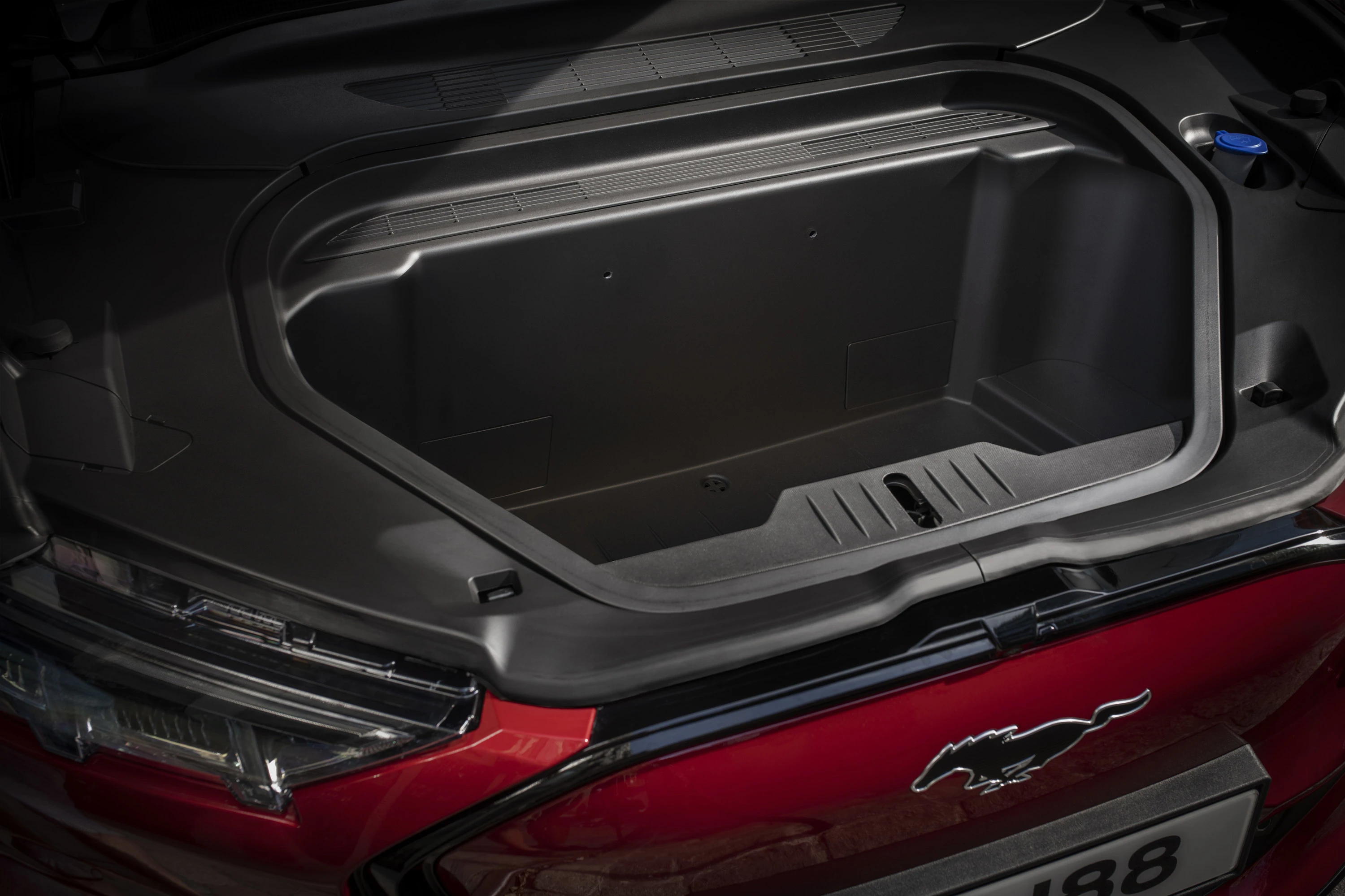
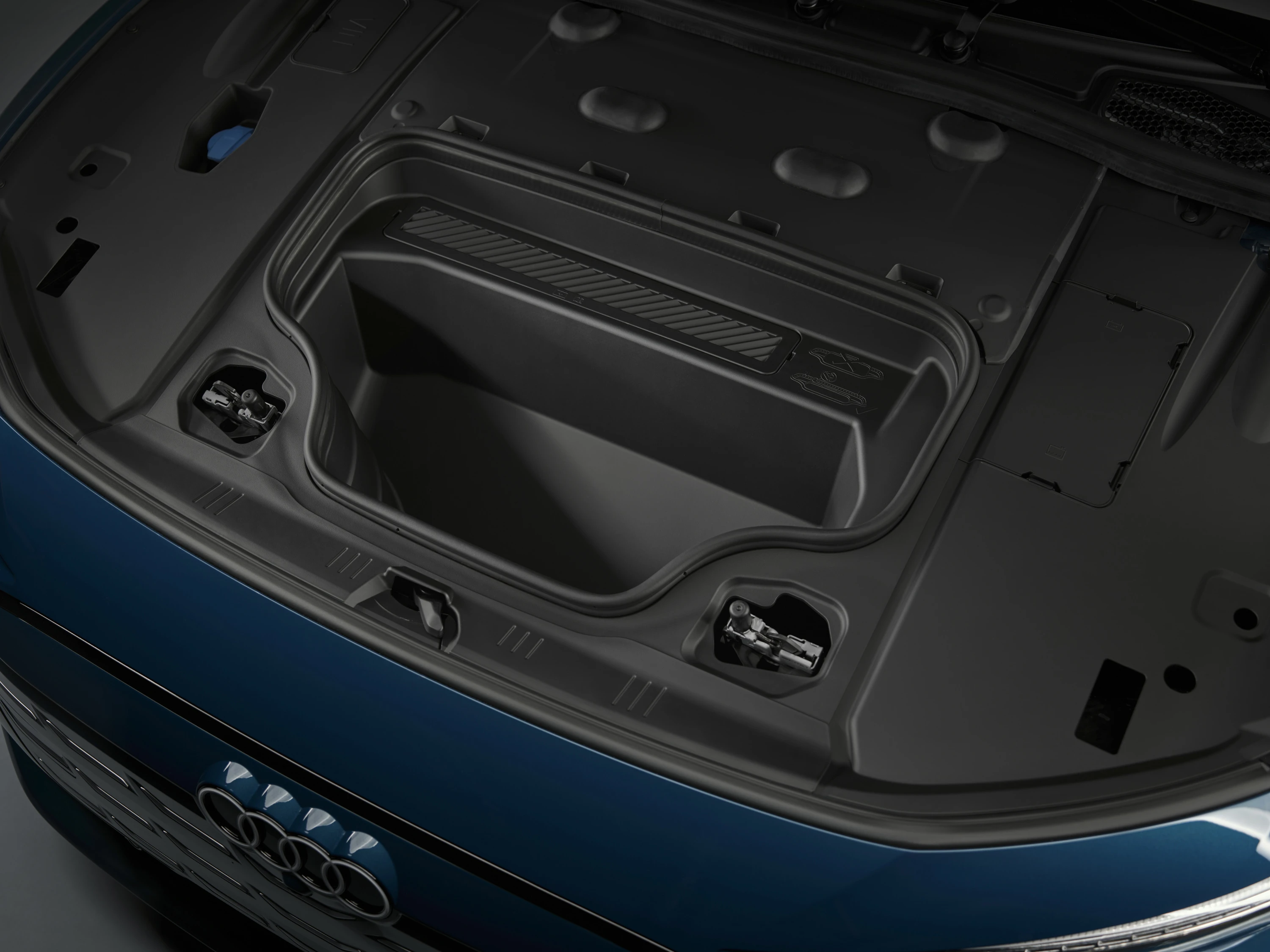
Shape matters more than litres
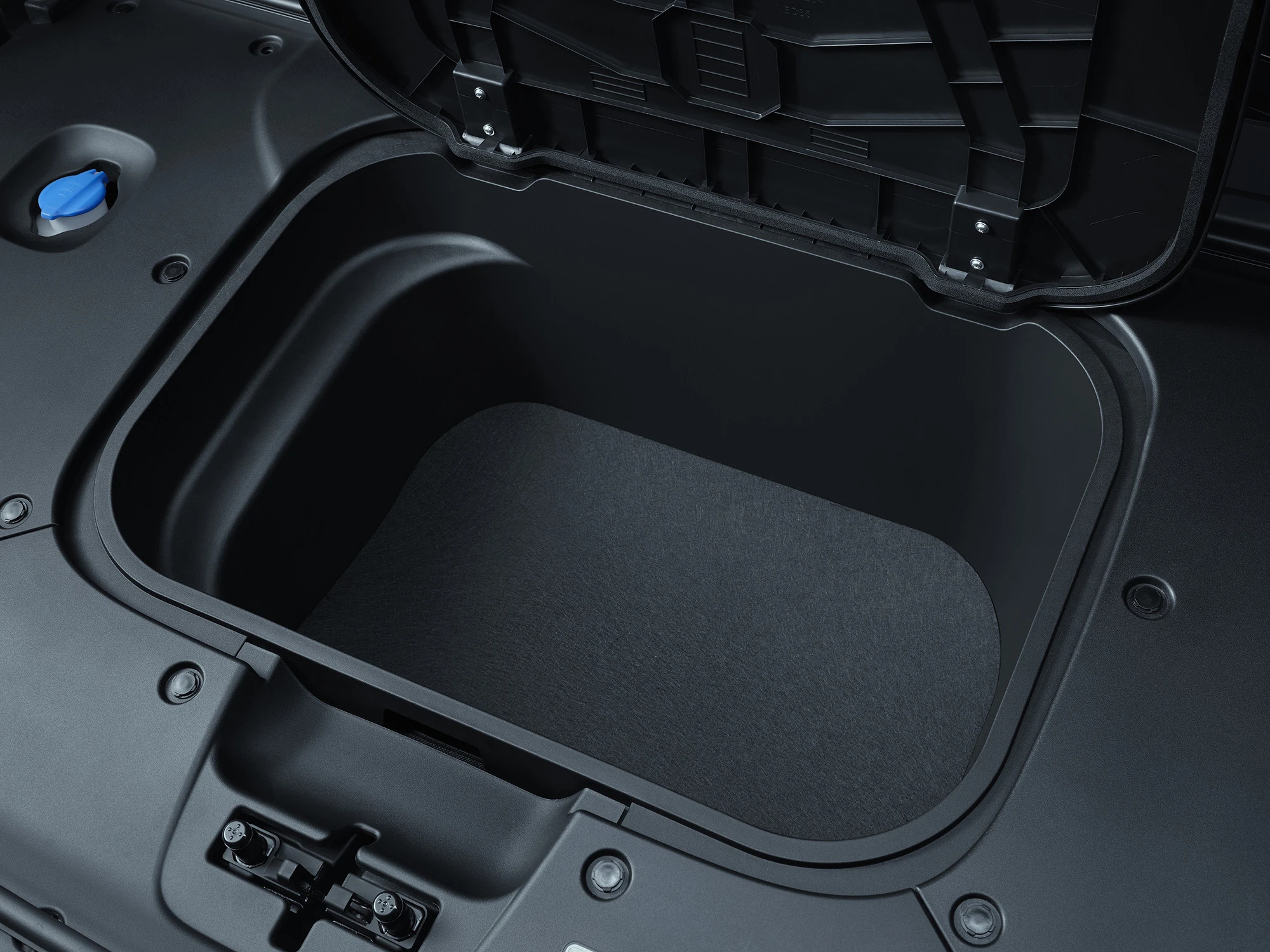
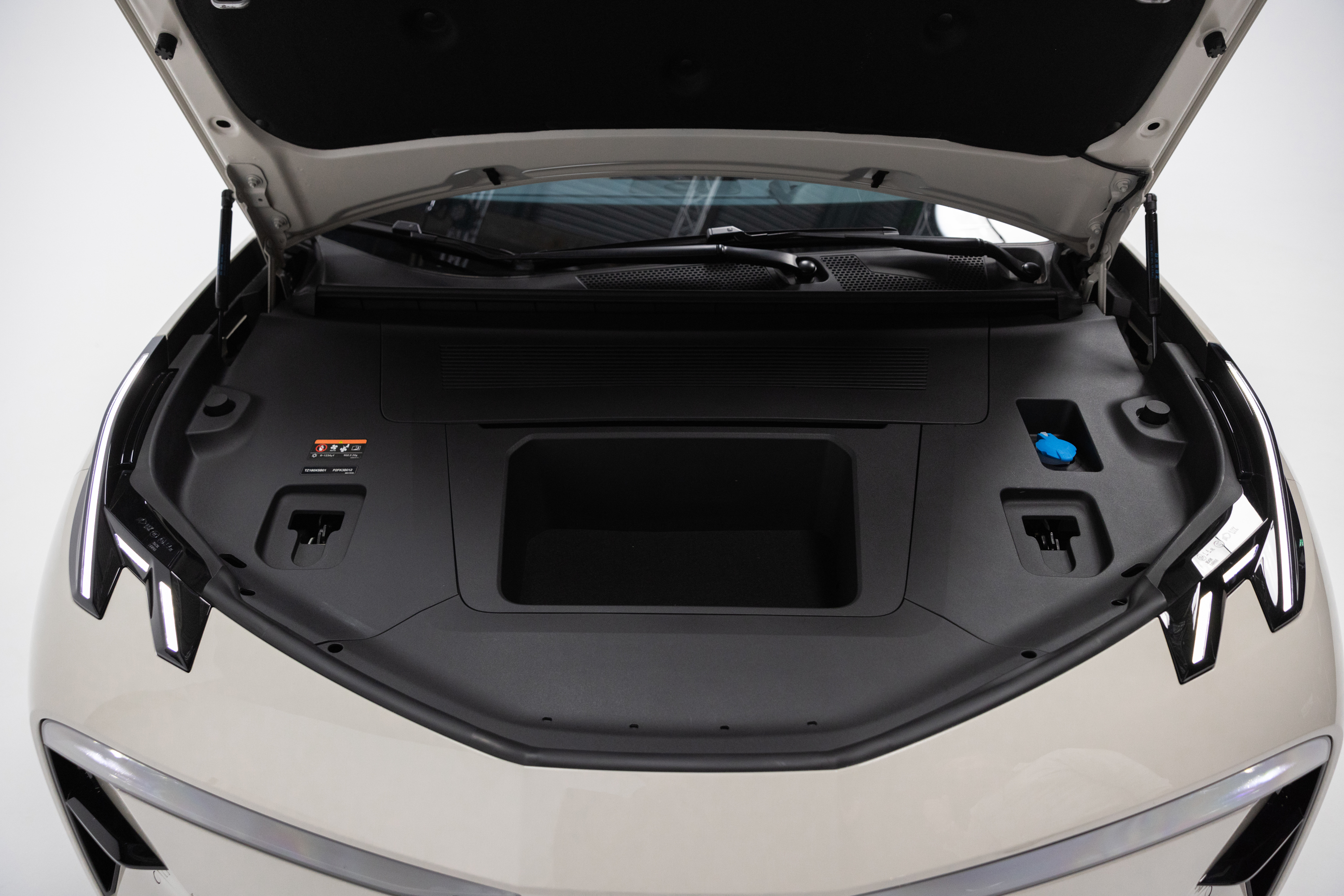
Quoted volume should be treated like any other luggage-compartment figure: the method and usable shape matter. Check the opening width, depth, height, loading lip and whether hinges or latches enter the space when the hood closes.
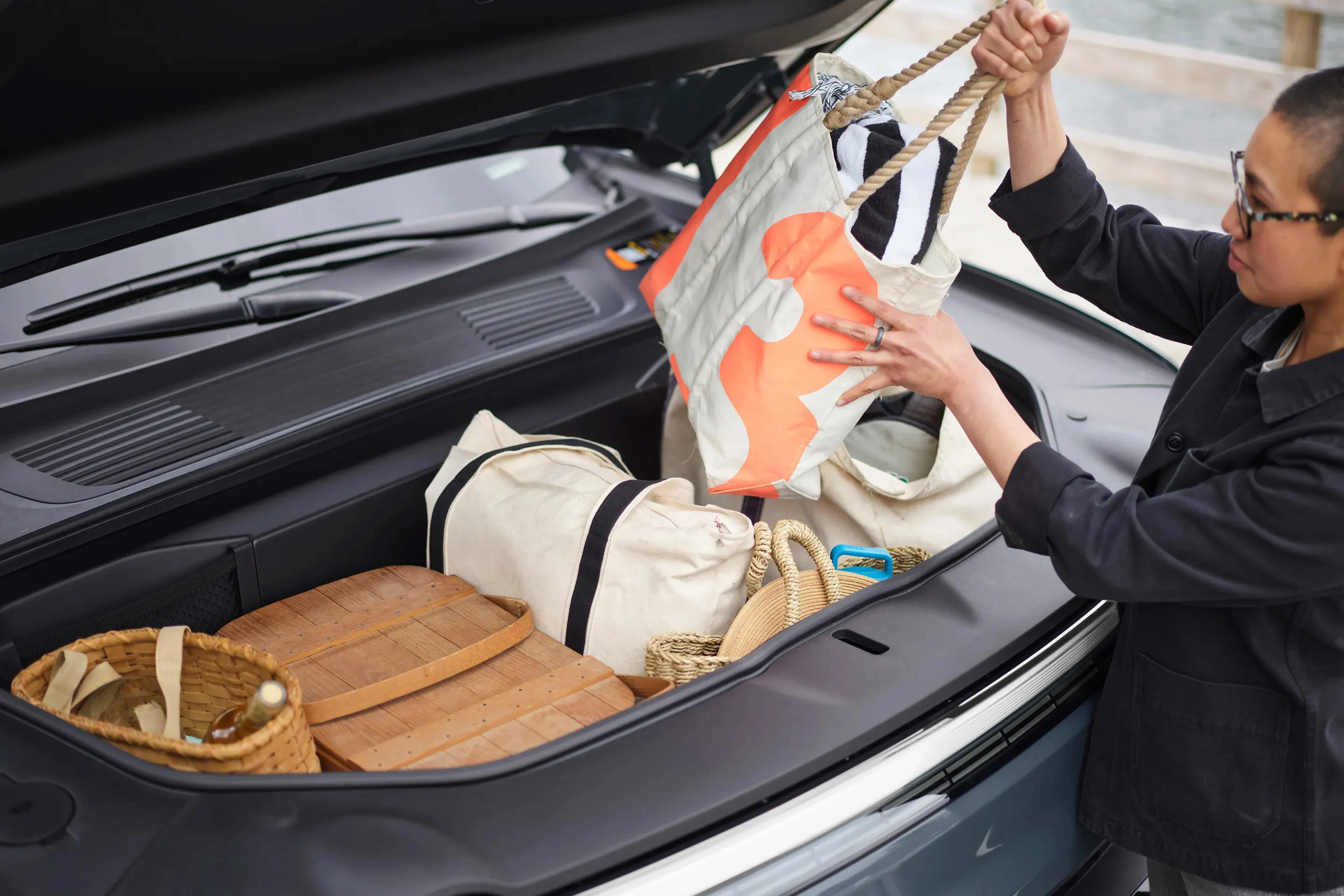
A small compartment can still be valuable if it keeps charging cables, wet footwear or frequently used equipment separate from the rear luggage area. A large but irregular compartment may accept fewer rigid cases than its volume suggests.
Load and water limits are model-specific
Never infer a frunk's load rating from its size. The load counts toward the vehicle's payload and may also have a separate compartment limit.
The current United States Model Y manual illustrates how specific the answer can be. It lists a 50 kg front-trunk limit for one tow-eye configuration and 30 kg for another. The same manual describes one version as having a waterproof liner and drain plug, while another is explicitly unsealed. Those values are an example for that vehicle and market, not a general EV rule.
Drainage also does not make a compartment a cooler or a watertight tank. Keep liquids contained unless the manufacturer expressly permits another use, and protect electrical modules, releases and exposed wiring during cleaning.
Access and security
Opening methods may include a cabin control, key, exterior button or mobile app. Some hoods are powered; others must be lowered and latched by hand at specified pressure points. Follow the closing procedure because an incorrectly latched hood is a safety risk.
A locked frunk can keep cargo out of sight, but theft resistance varies. Do not leave an authenticated phone or key inside, and confirm how the emergency release and valet mode work.
Suitable cargo
Use the front trunk for items that fit within its mass, temperature and water-exposure limits. Charging equipment is convenient there only if it remains reachable when the vehicle is parked close to a wall or charging post.
Food, medicines, batteries, electronics and other temperature-sensitive items should not be treated as climate-controlled cargo unless the manufacturer provides a temperature specification. Frunks can be affected by ambient heat, cooling-system operation and sunlight.

A promotional cushion or parked-use feature does not turn a frunk into an approved passenger seat. Occupancy and load rules remain those stated by the manufacturer.
What to check
- Separate volume from maximum permitted mass.
- Measure the opening as well as the compartment.
- Confirm whether the liner is sealed, washable or drained.
- Follow the exact opening and closing procedure.
- Keep keys, phones and emergency releases in mind.
- Count the frunk load as part of total vehicle payload.
Frunks