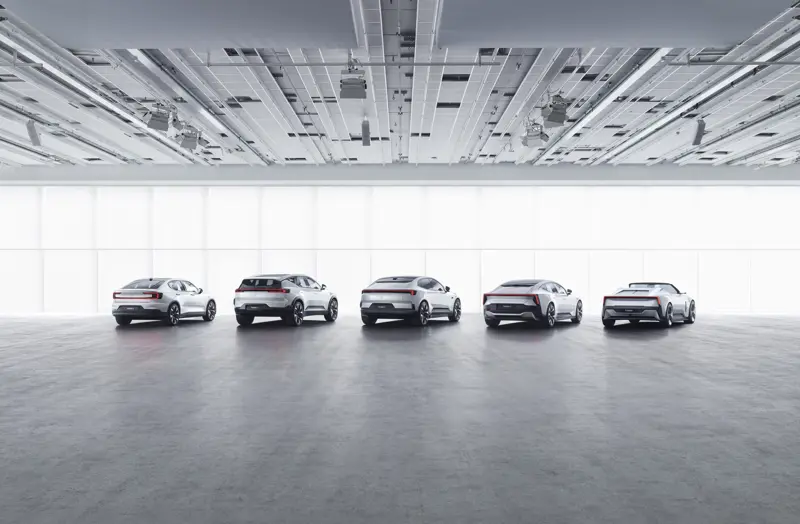
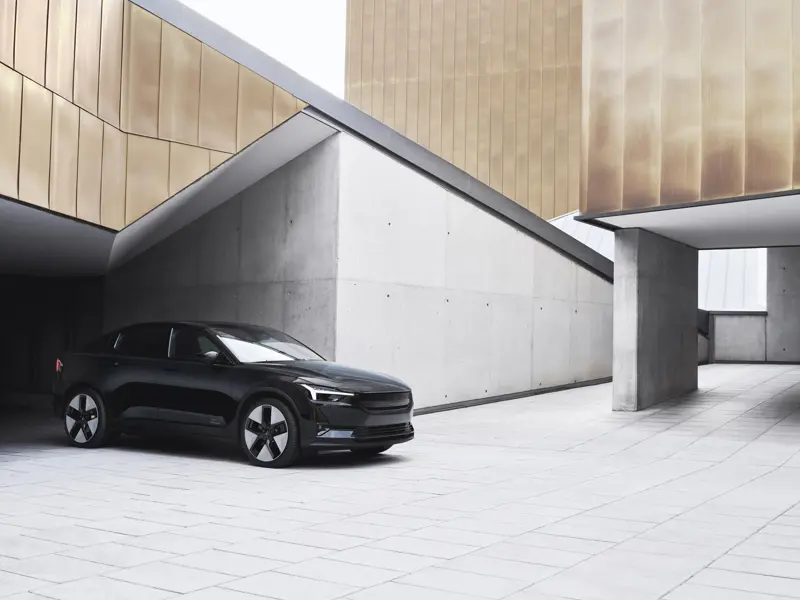
Polestar's EV strategy is built around a clear vision: to create desirable electric performance cars while pushing the boundaries of sustainability. The brand made its mark with the Polestar 2, a compact electric sedan that became one of Europe's best-selling premium EVs, featuring Google's Android Automotive OS infotainment system and a driver-focused design ethos.
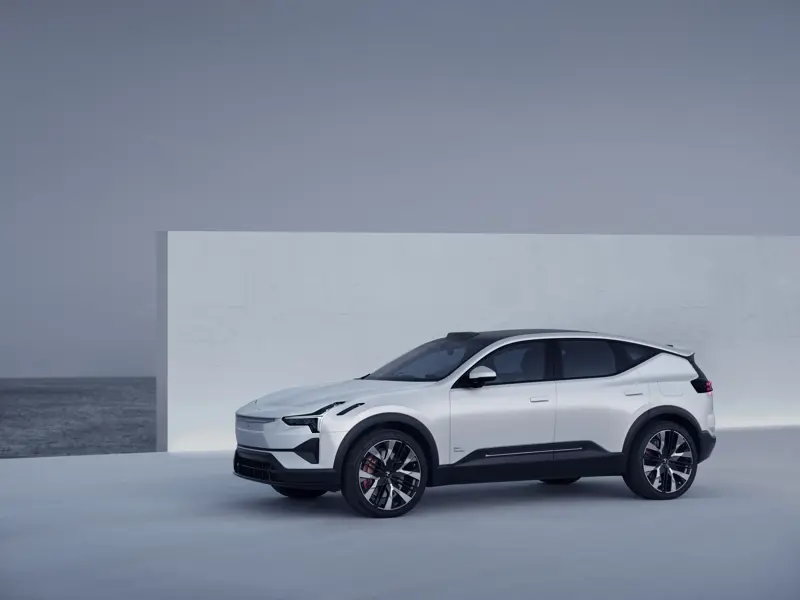
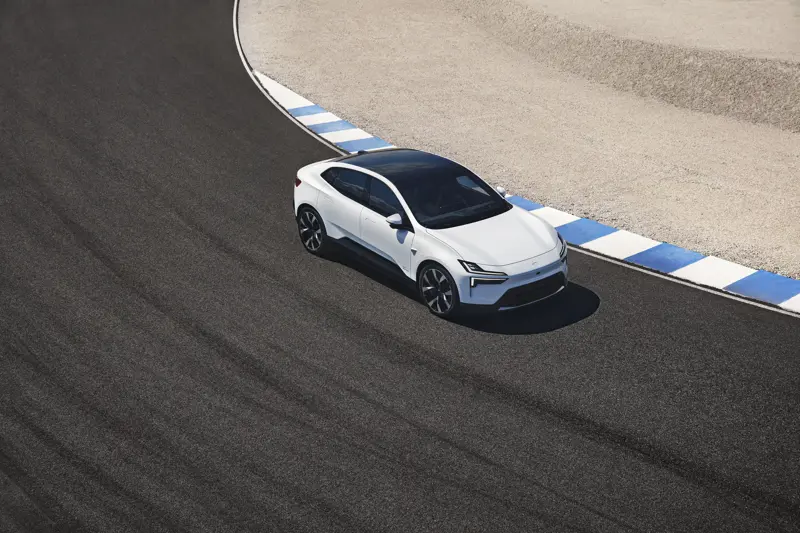
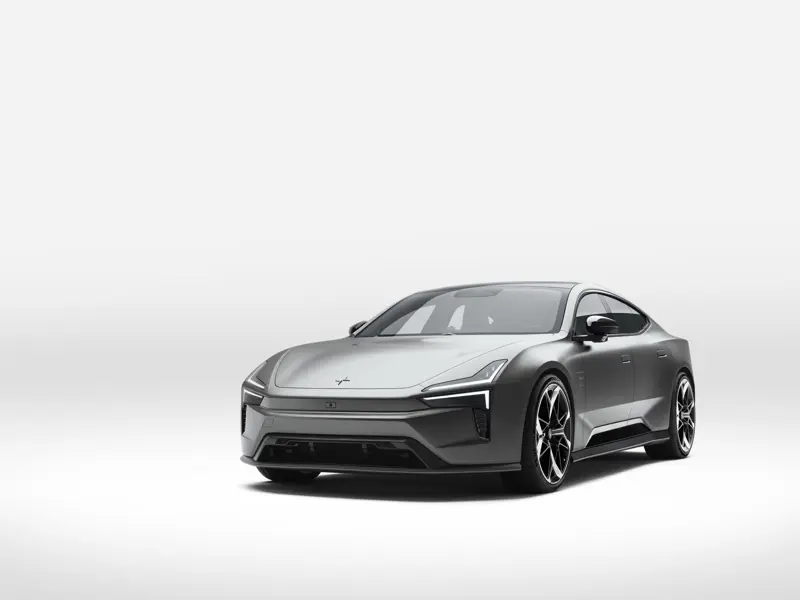
The brand has since expanded significantly. The Polestar 3 is a large electric performance SUV built on the Volvo-developed SPA2 platform, offering impressive range, dual-motor performance, and advanced driver assistance powered by Luminar LiDAR. The Polestar 4, built on Geely's SEA platform, takes a bold coupe-SUV approach with its distinctive rear-window-less design and a focus on aerodynamic efficiency. Looking ahead, the Polestar 5 is the brand's upcoming grand touring sedan, built on the proprietary PPA (Polestar Performance Architecture) platform with an 800V architecture and bonded aluminum body, promising supercar-level performance in a luxury four-door format.
Sustainability is central to Polestar's identity. The brand publishes detailed lifecycle assessments for each model and has set an ambitious goal to produce a truly climate-neutral car by 2030. Polestar uses sustainable materials extensively, including recycled plastics, bio-attributed materials, and animal-free interiors, while pushing suppliers to adopt renewable energy in their production processes.
Polestar went public on the Nasdaq in 2022 and has been expanding its global retail presence, with Polestar Spaces in major cities across North America, Europe, and Asia-Pacific. The brand's focus on direct-to-consumer sales and a transparent, digital-first customer experience sets it apart in the premium EV segment.
Polestar has currently {0} all electric models with a total of {1} variants in the market. Below you find links for each model page.
 10 variants